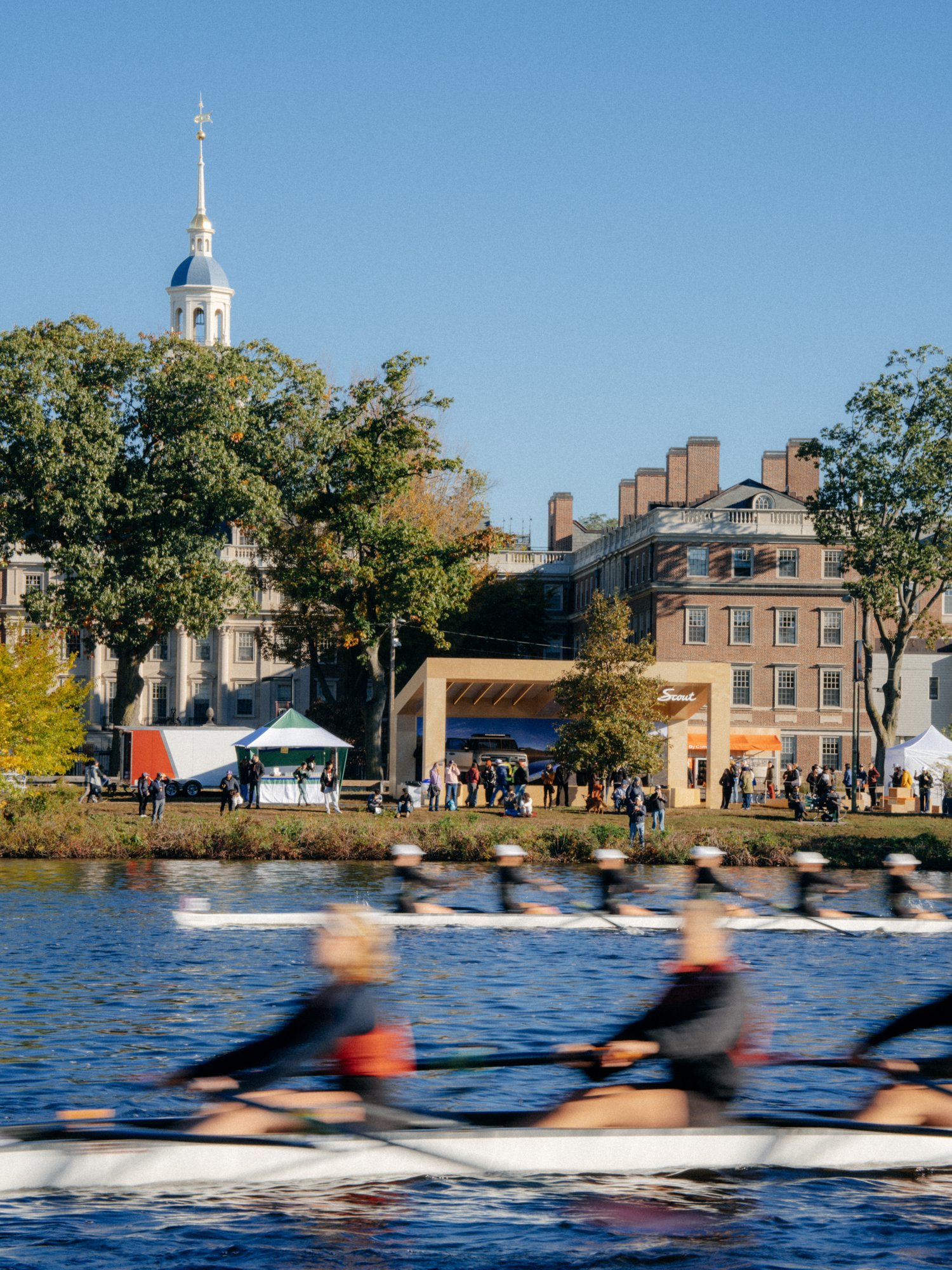
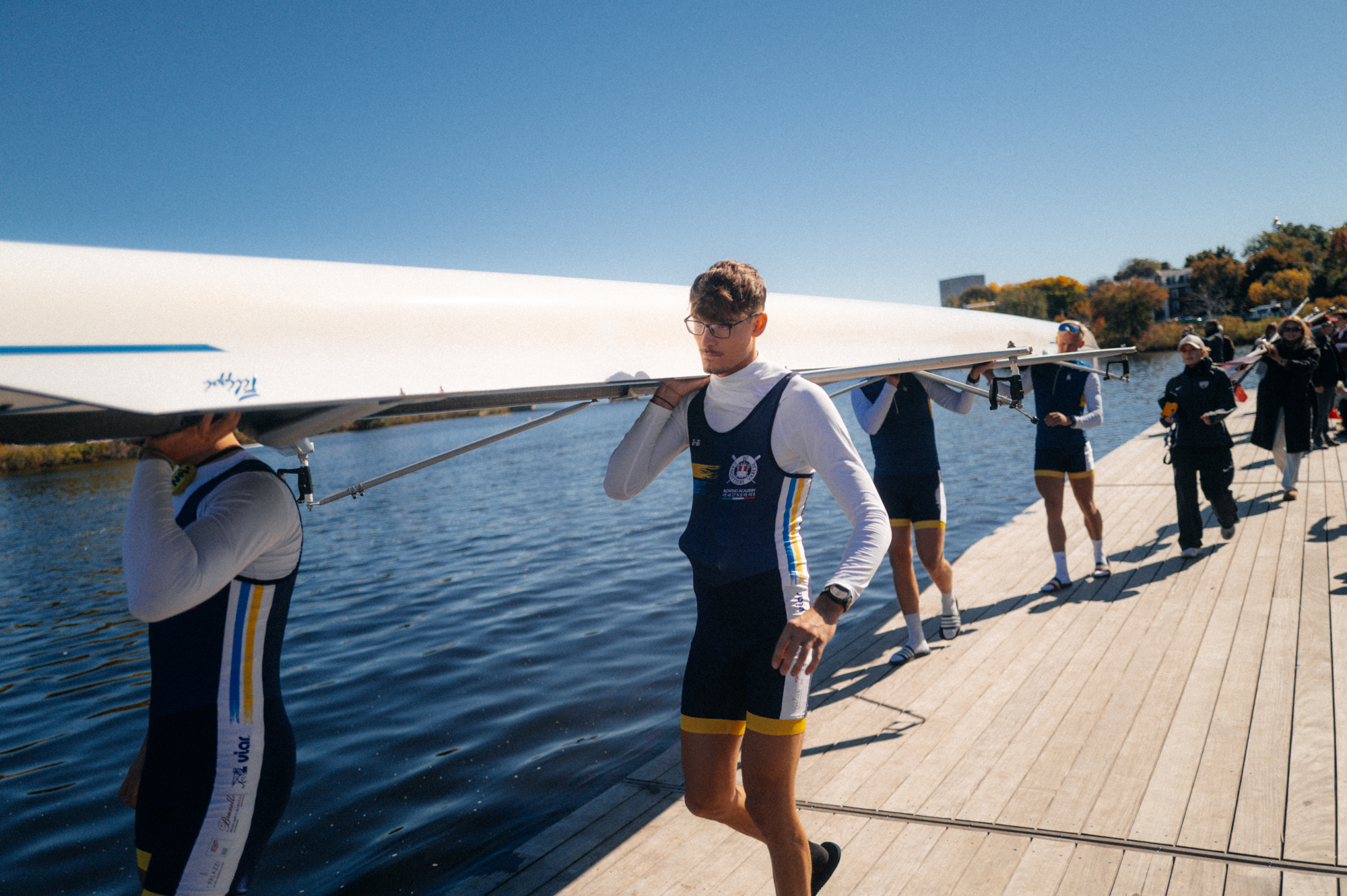
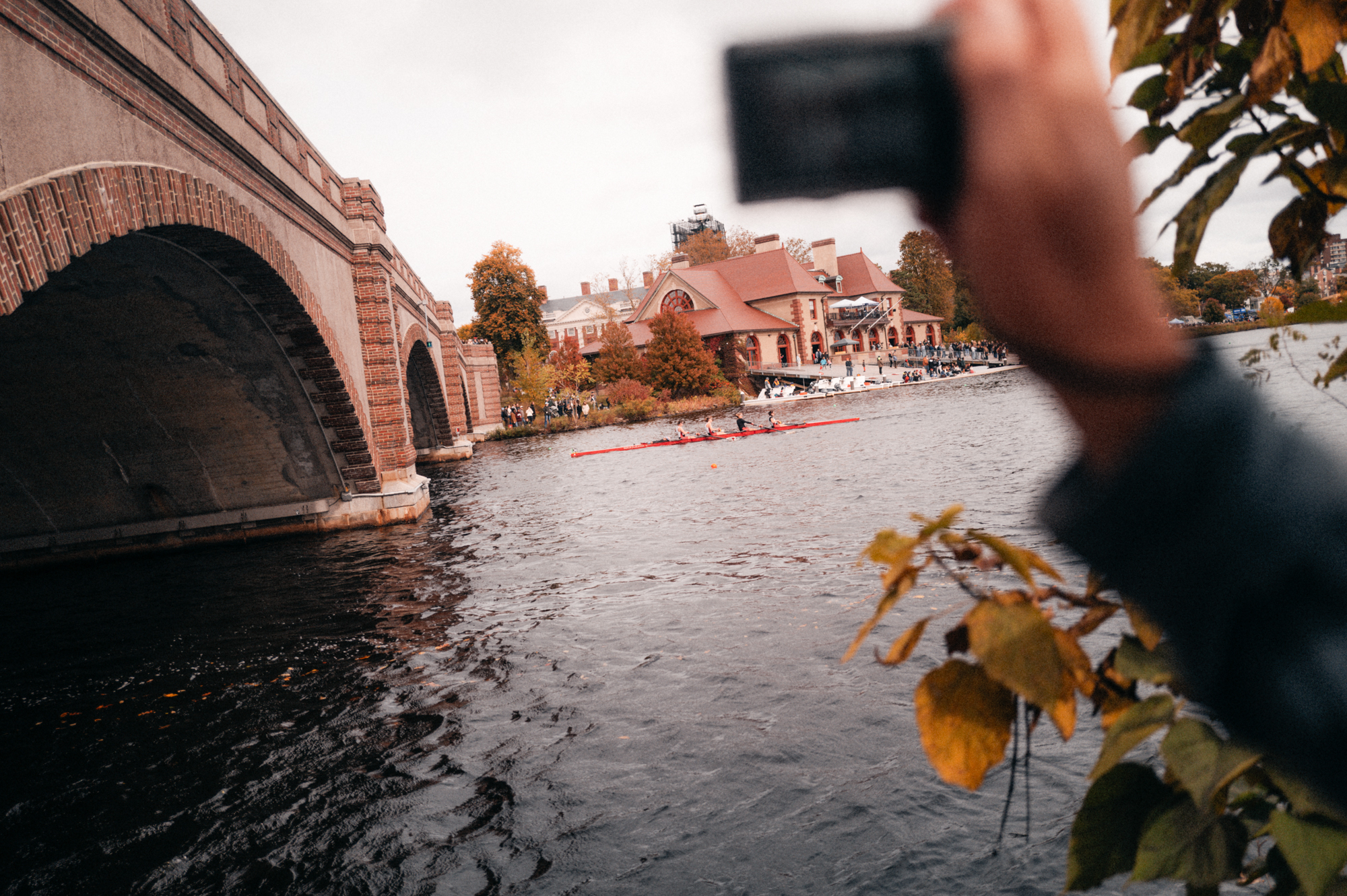
very October, the Charles River offers rowers a challenge that has kept them coming back for more than six decades. Oars bite into the water, crowds line the bridges overhead, and rowers settle into the rhythm of a three-mile push upstream, each stroke drawing on months, and even years, of preparation. Flanked by the historic backdrop of Boston and Cambridge, Massachusetts, the Head Of The Charles Regatta® keeps the tradition alive on the Charles.
The world’s largest three-day rowing event draws roughly 11,000 athletes and hundreds of thousands of spectators each year. This year, Scout Motors joined as the official automotive partner, making our first introduction to a New England community that shares our appreciation for the outdoors, hard work, and a challenge worth taking on.
The inaugural regatta took place on October 16, 1965. Three members of the Cambridge Boat Club organized it on the advice of Harvard sculling instructor Ernest Arlett, who suggested bringing an English-style “head of the river” race to the Charles. Boats would start individually, separated by a few seconds, and compete for the fastest time over a long course. The winner earned the title “Head Of The Charles.”
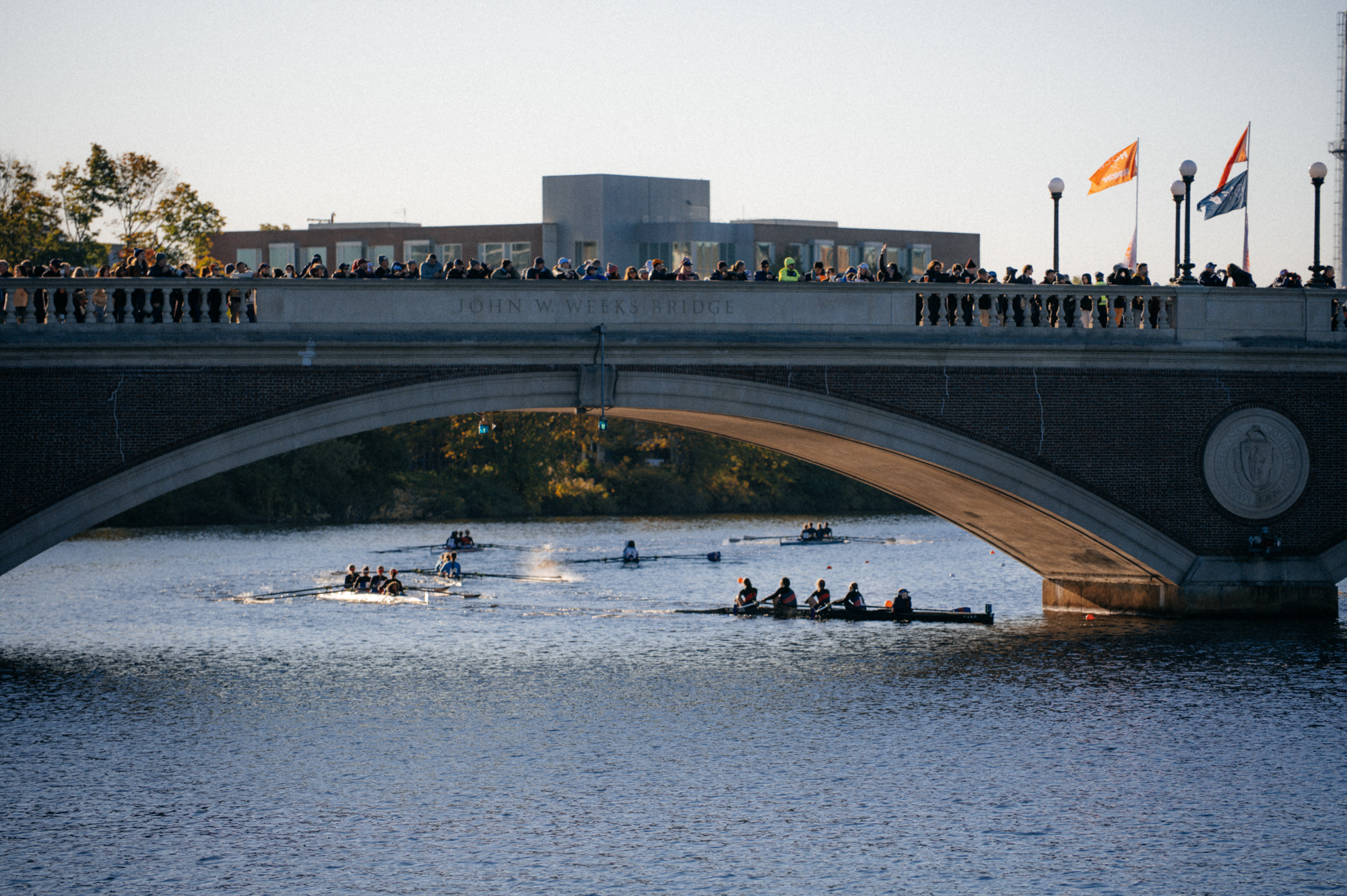
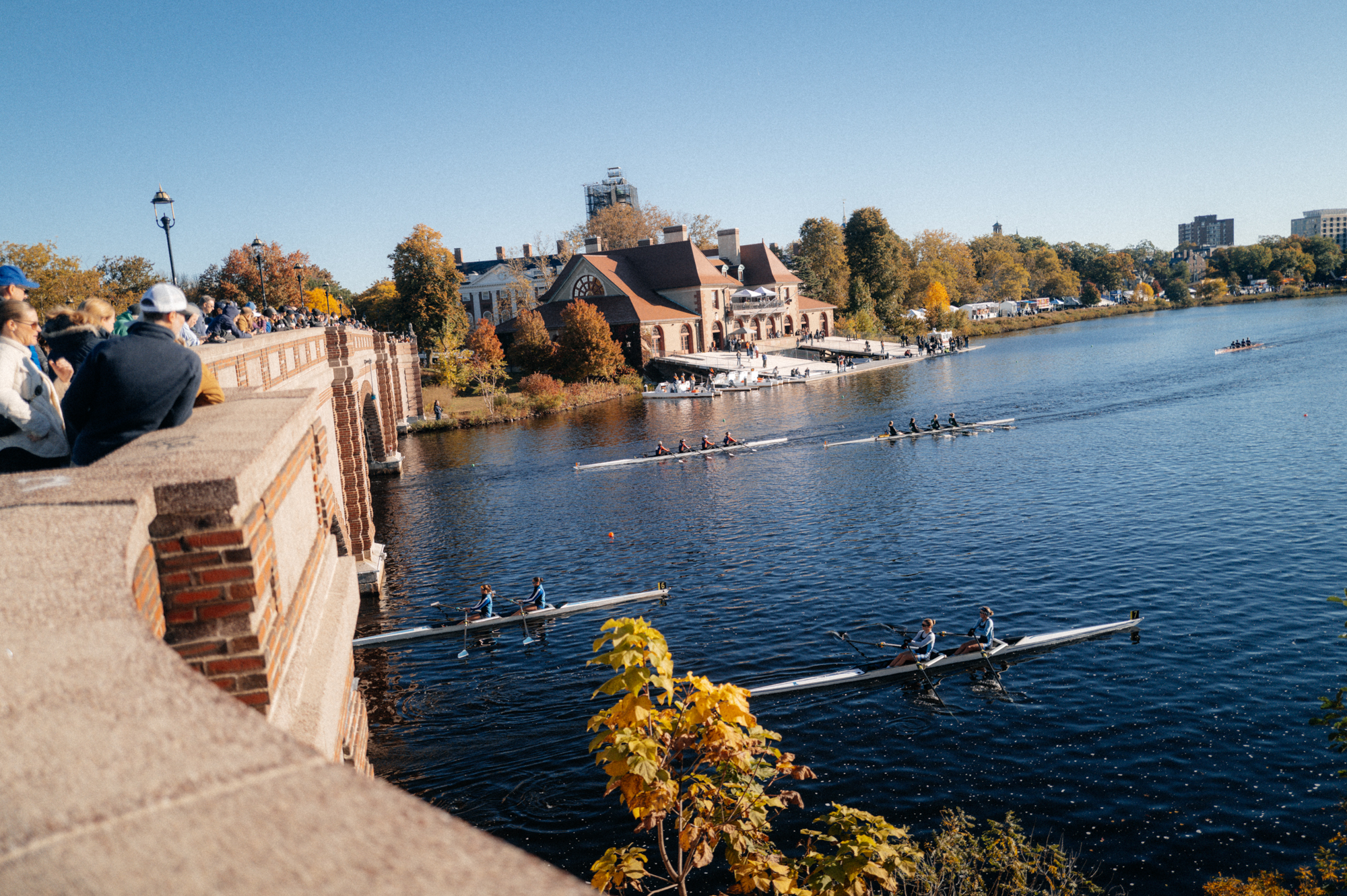
The weekend still follows a similar tradition as crews race against the clock, starting roughly 15 seconds apart and competing for the best time overall. The course runs upstream from Boston University’s DeWolfe Boathouse toward Herter Park, with tight turns and bridge openings demanding careful decisions. At Weeks Footbridge, a sharp bend adds another challenge beneath one of the most popular places to watch. Getting through cleanly takes timing, judgment, and trust in your teammates.
"For our first visit to the Boston area, the regatta offered a fitting place to introduce our next generation of Scout vehicles to a community carrying its own traditions forward."
There was plenty to test the preparations this year. Saturday brought gray skies and 30-degree wind-chills, with racing stretching from early morning into the afternoon. Sam Melvin claimed the men’s championship singles title ahead of defending champion Finn Hamill, while Grace Joyce won the women’s championship singles by six seconds over Kristi Wagner. Across the day’s schedule, club competitors, alumni crews, masters rowers, and para athletes had their own turns on the river.
That range is a big part of what makes the regatta special. Olympians and college crews share the same stretch of water with people who have been rowing for decades longer. Young athletes get a glimpse of how far the sport might take them. Returning competitors get another chance to measure themselves against a familiar course. Thousands of volunteers help make it possible, while spectators can follow the action from bridges and riverbanks throughout both cities.
For Scout Motors, the spirit of the event felt familiar. A good day outdoors can ask a lot of you, whether the destination is across a mountain range or a few miles upriver. Heritage ScoutⓇ vehicles were built to work, to carry people and their gear into places that asked something of both. Rowing calls for a similar trust in your equipment and the people aroundyou. You put in the hours, learn to pull together, and choose the hard thing because there’s satisfaction in seeing what you can accomplish. The effort is part of what makes it worthwhile.
We have some shared history too, as both stories began in the 1960s. The first Scout trucks arrived in 1961, followed by the inaugural Head Of The Charles Regatta in 1965. More than six decades later, their legacies live on through the people who keep them going—maintaining the trucks, returning to the river, and introducing each new generation to traditions that have become their own.
For our first visit to the Boston area, the regatta offered a fitting place to introduce our next generation of Scout vehicles to a community carrying its own traditions forward.
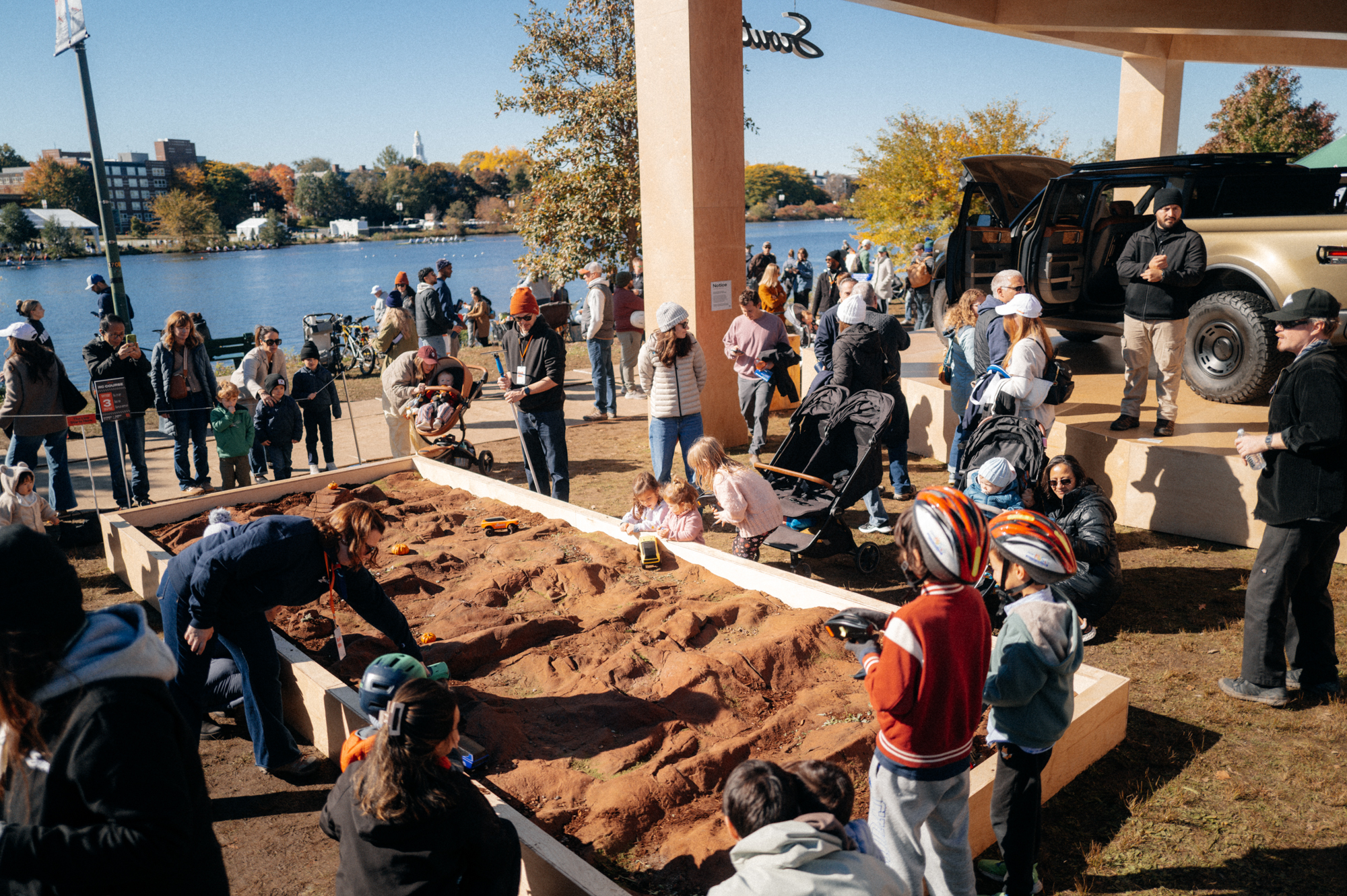
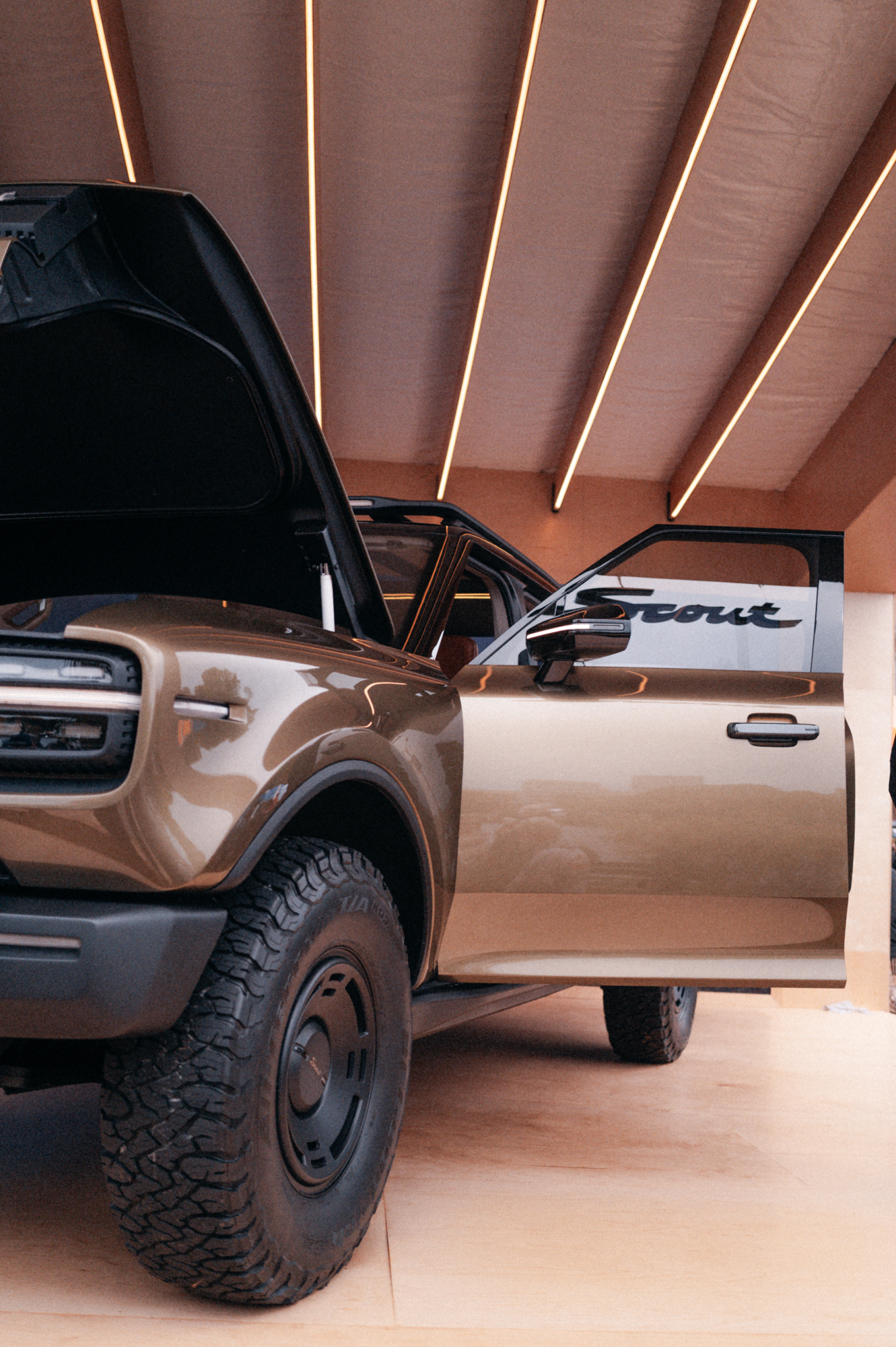
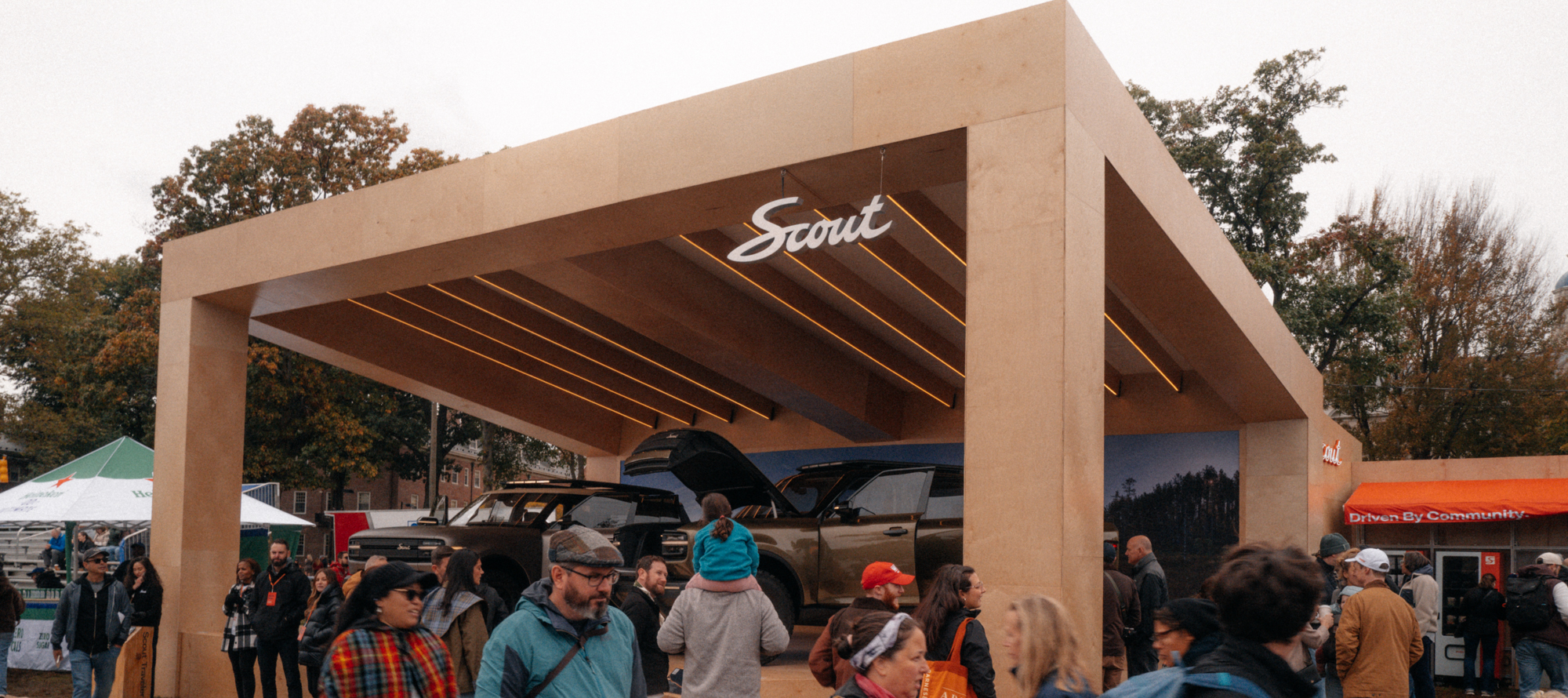
We set up on both sides of the Charles, with two concept vehicles on the Cambridge side and one on the Boston side. The Scout® Traveler™ SUV and Scout® Terra™ truck concepts gave visitors a closer look at what we’re building.
The conversations kept us busy. This was a passionate, curious crowd, and our team came away particularly encouraged by the thoughtful questions and time we were able to spend meeting reservation holders who have been with us from day one, and folks who were just learning about us for the first time.
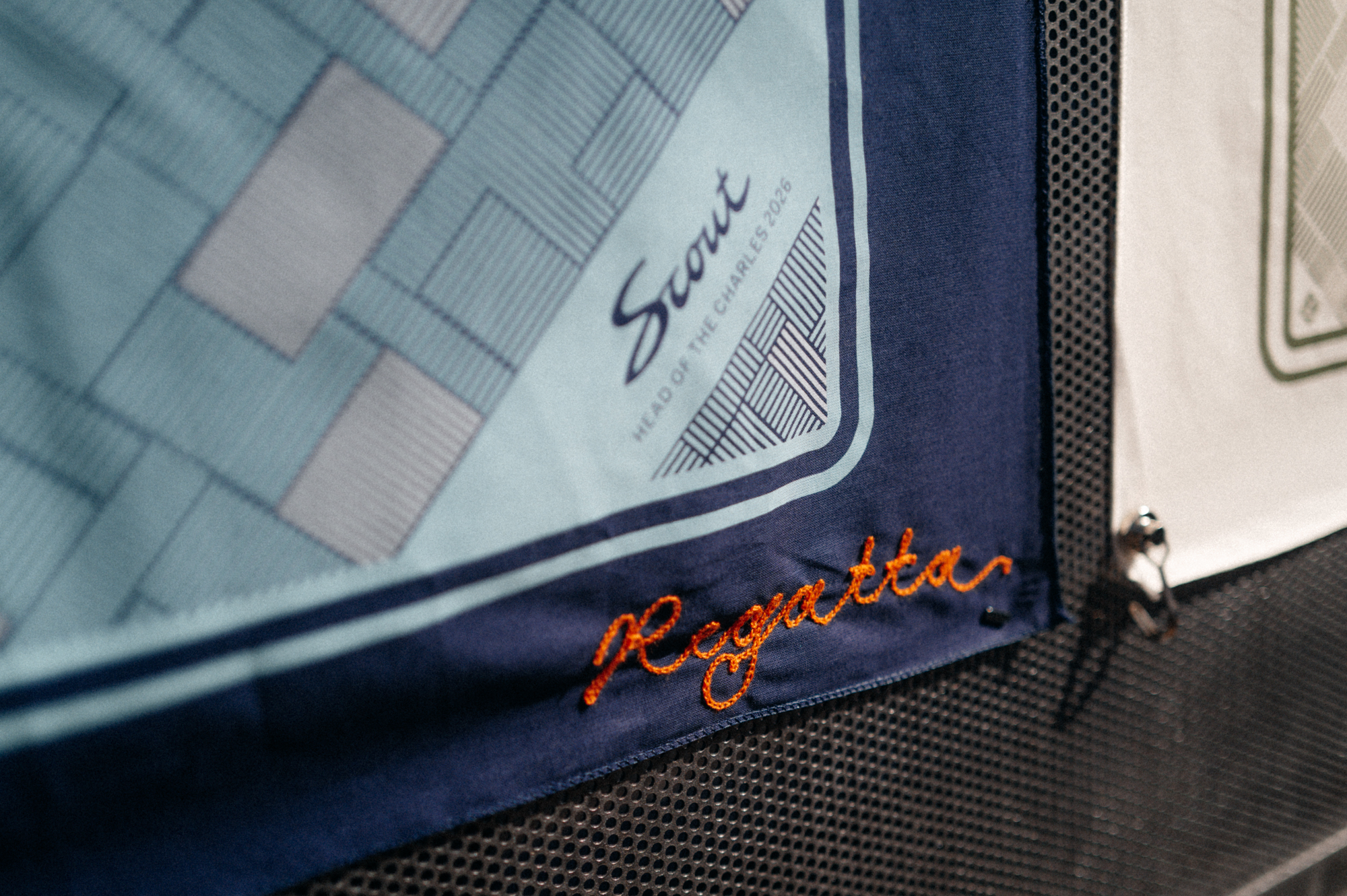
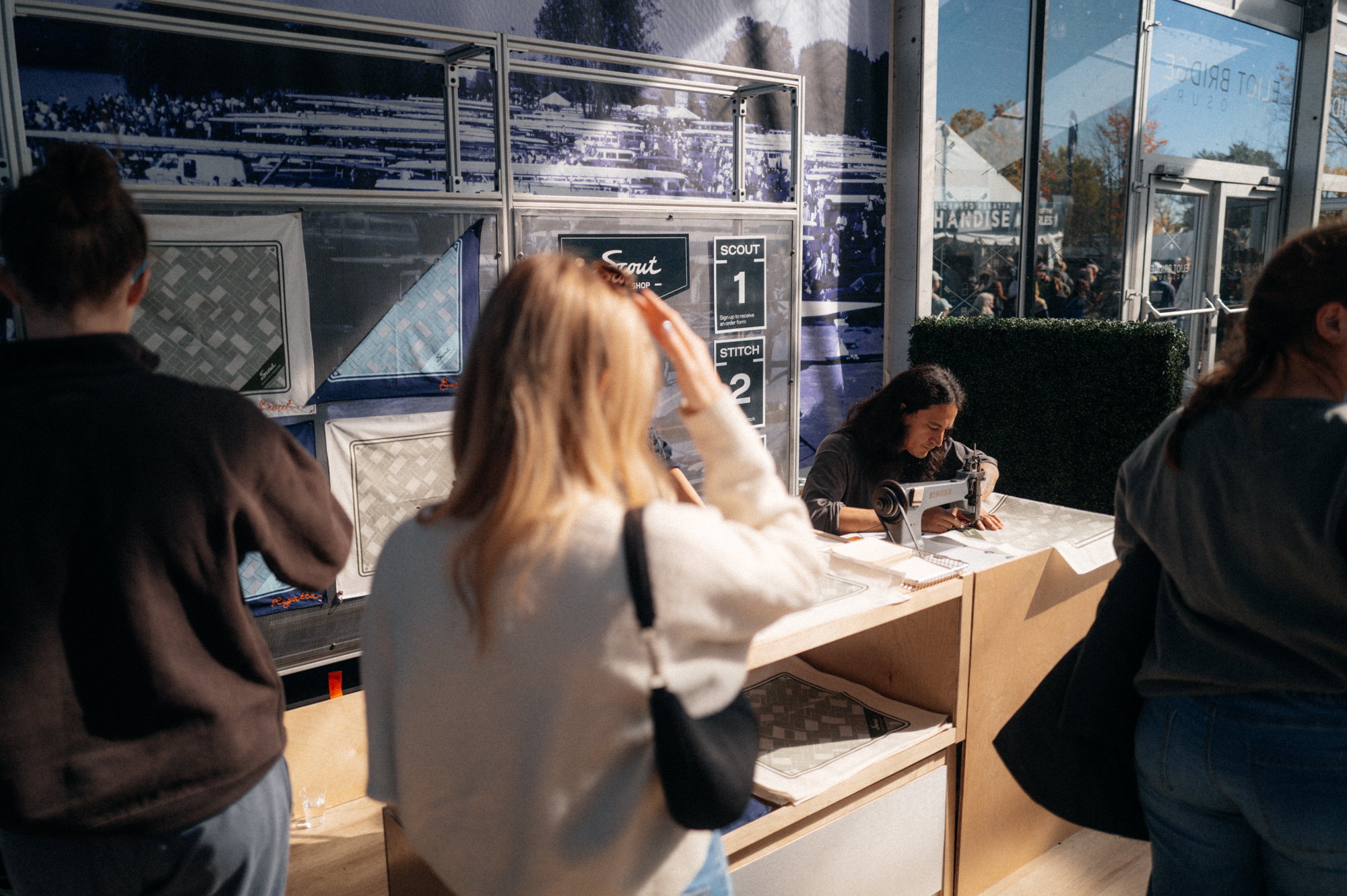
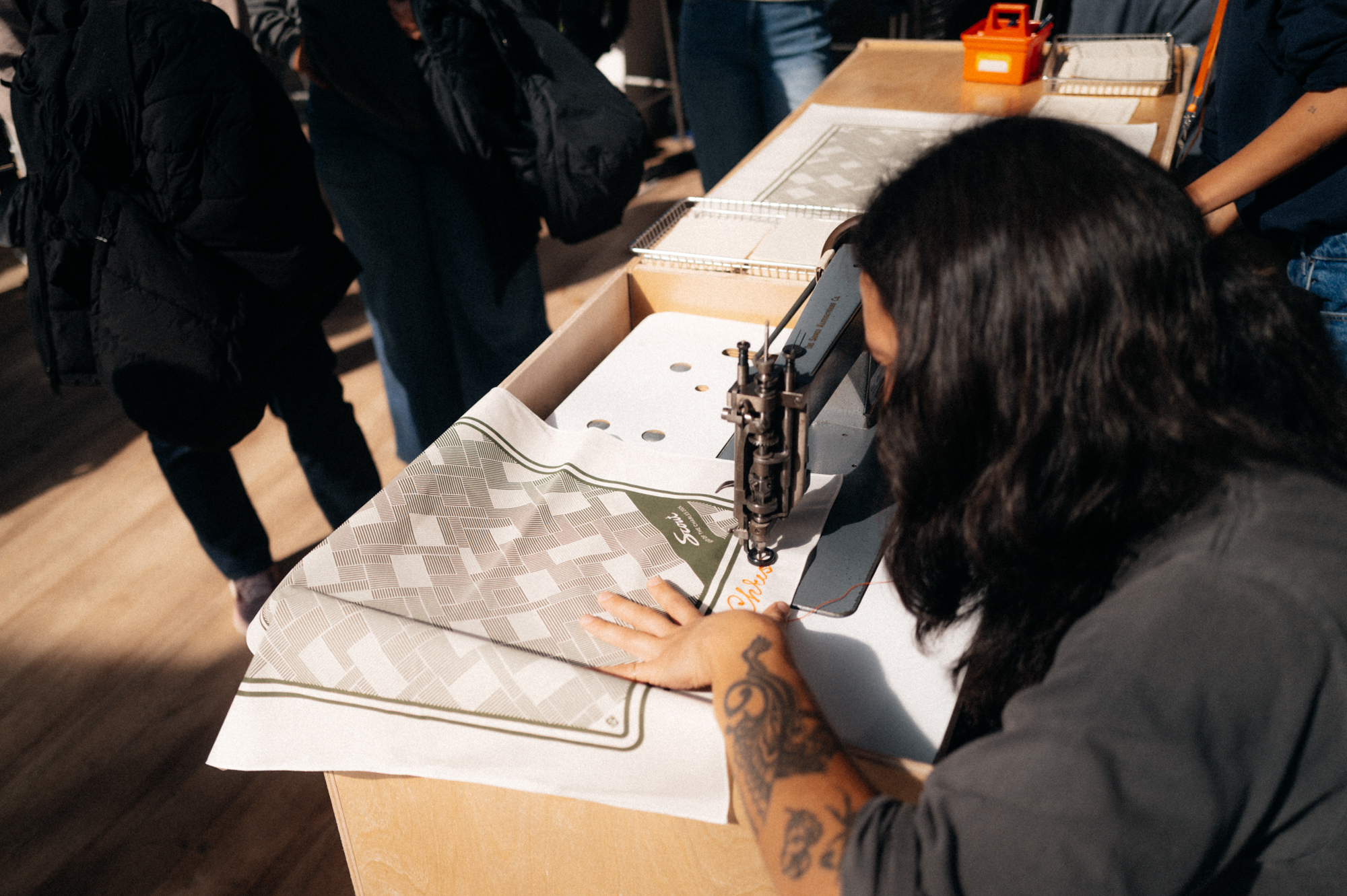
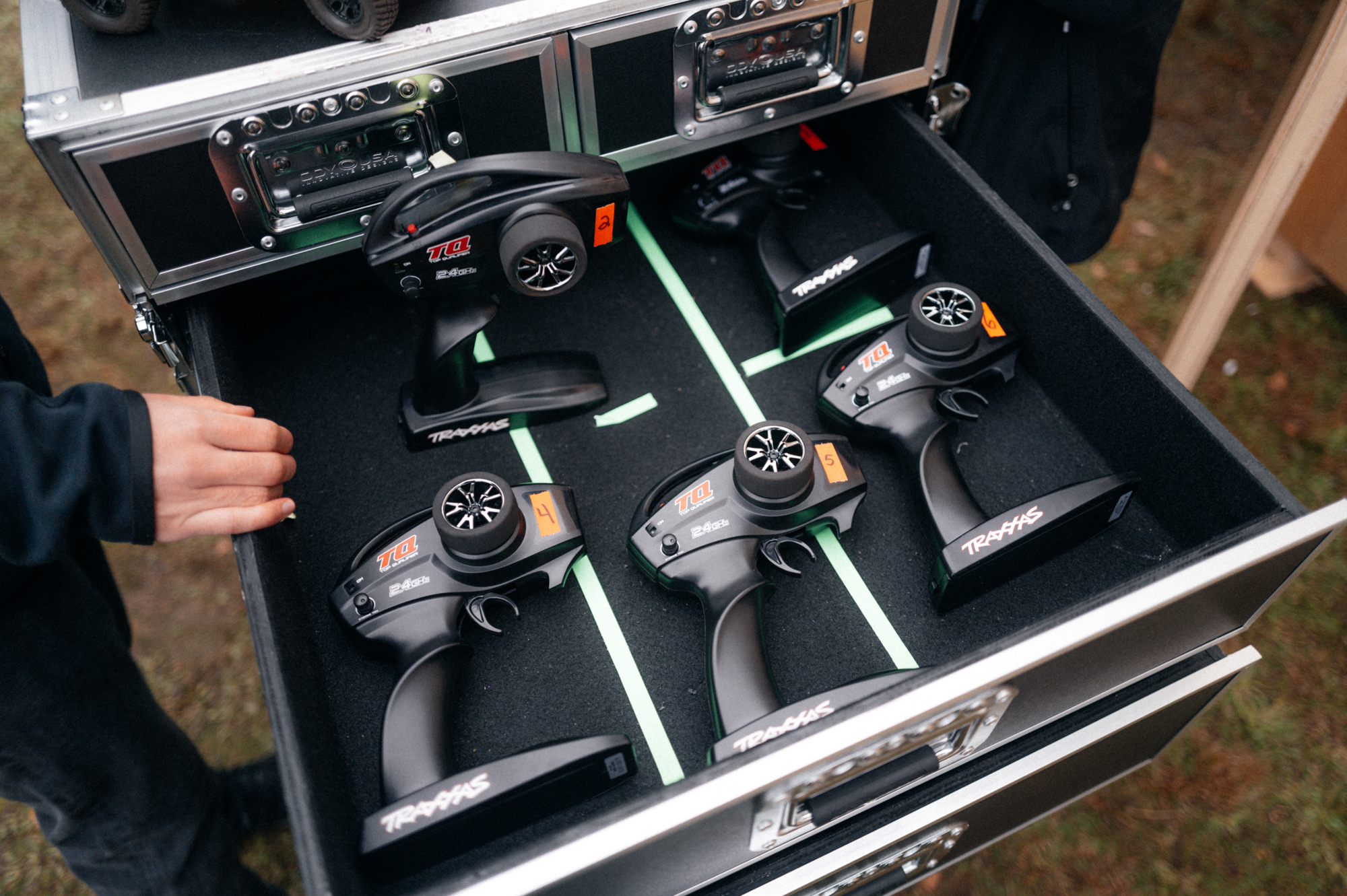
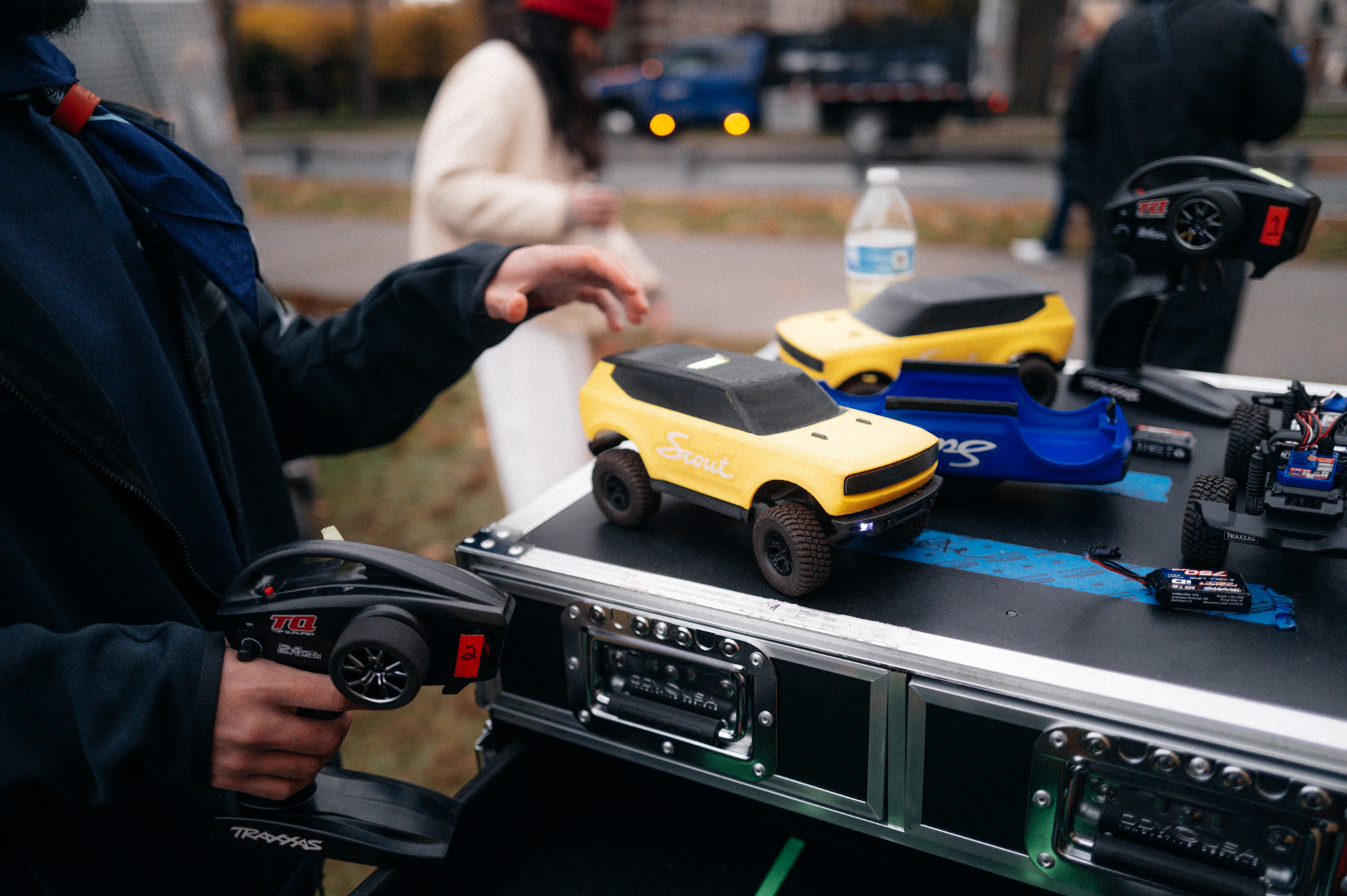
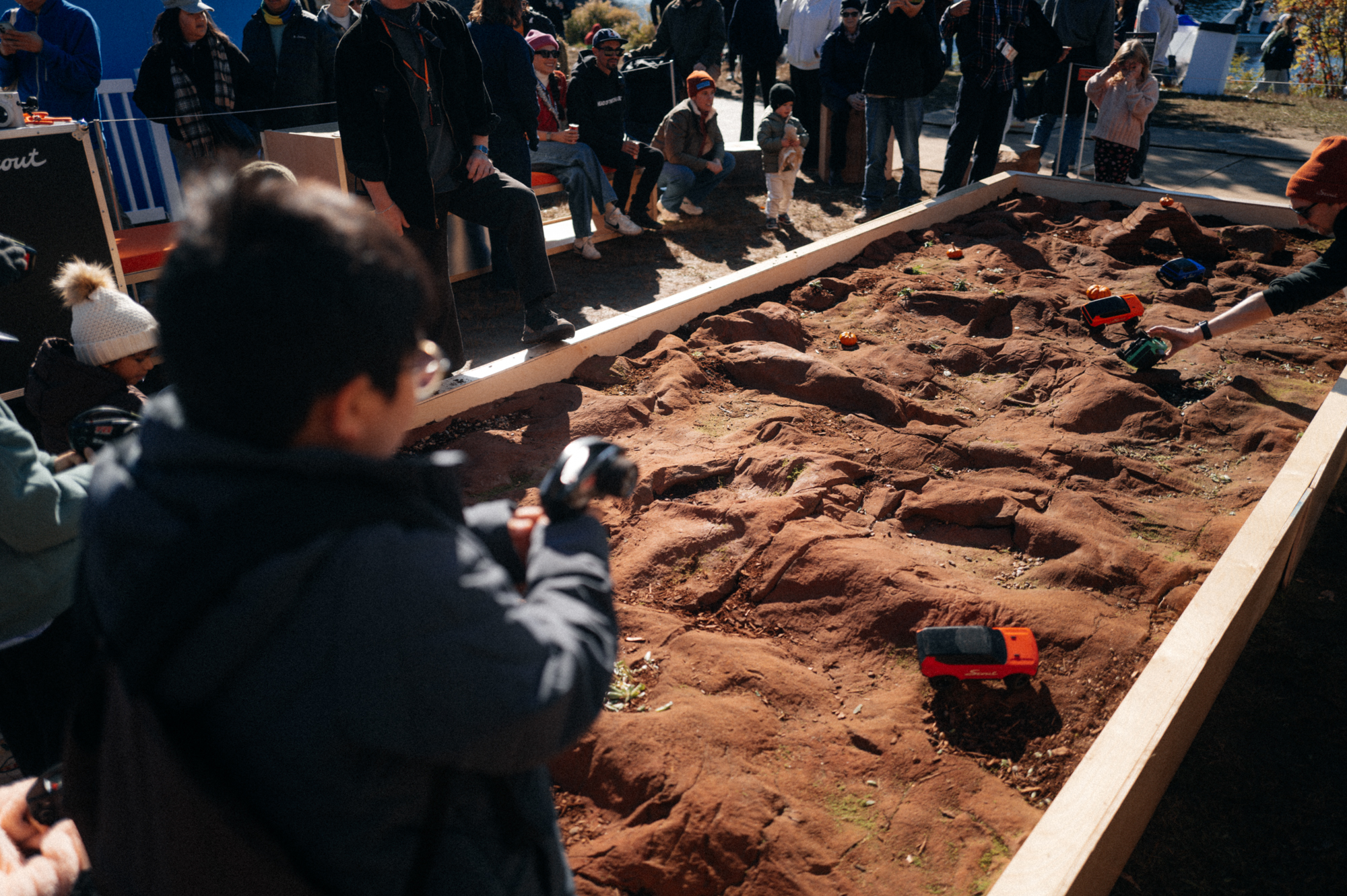
Between races, the Scout Stitch Shop and Field Supply offered reasons to stop by and stay awhile. Giveaways included dry bags, wool socks, and Wildsam books, with vending machines adding a little fun to picking up some of the goods. Our RC course brought another kind of navigation to the riverbank.
For a first visit, the Charles gave us a lot to appreciate. A historic setting, a demanding course, and a community willing to put in the work to keep a tradition moving. After three days along the river, the appeal was easy to understand. There is satisfaction in taking on a challenge, and even more in finding people who are glad to take it on with you.
Sound familiar? We felt right at home—and left with every reason to come back. Thanks for having us, New England.