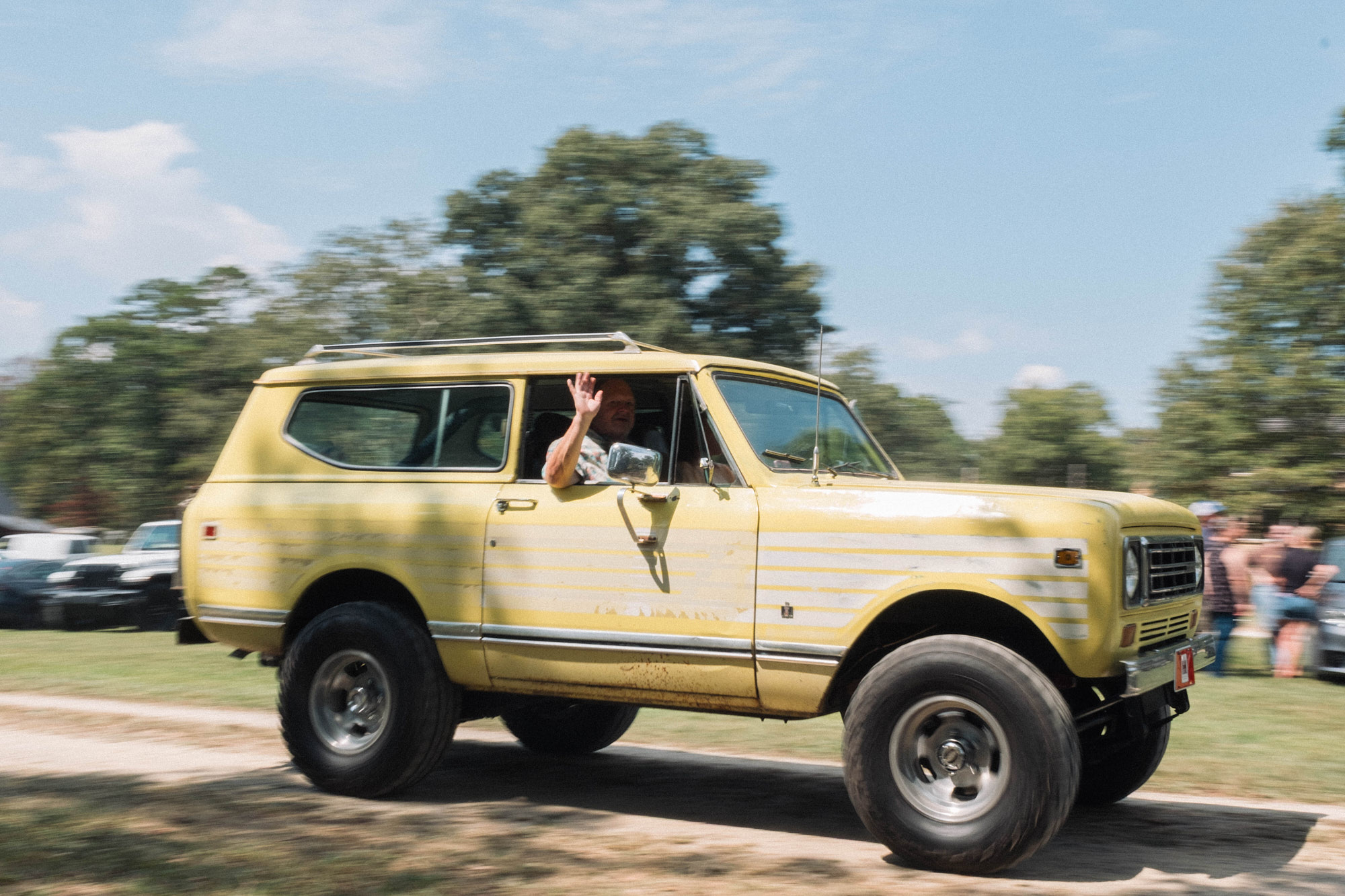
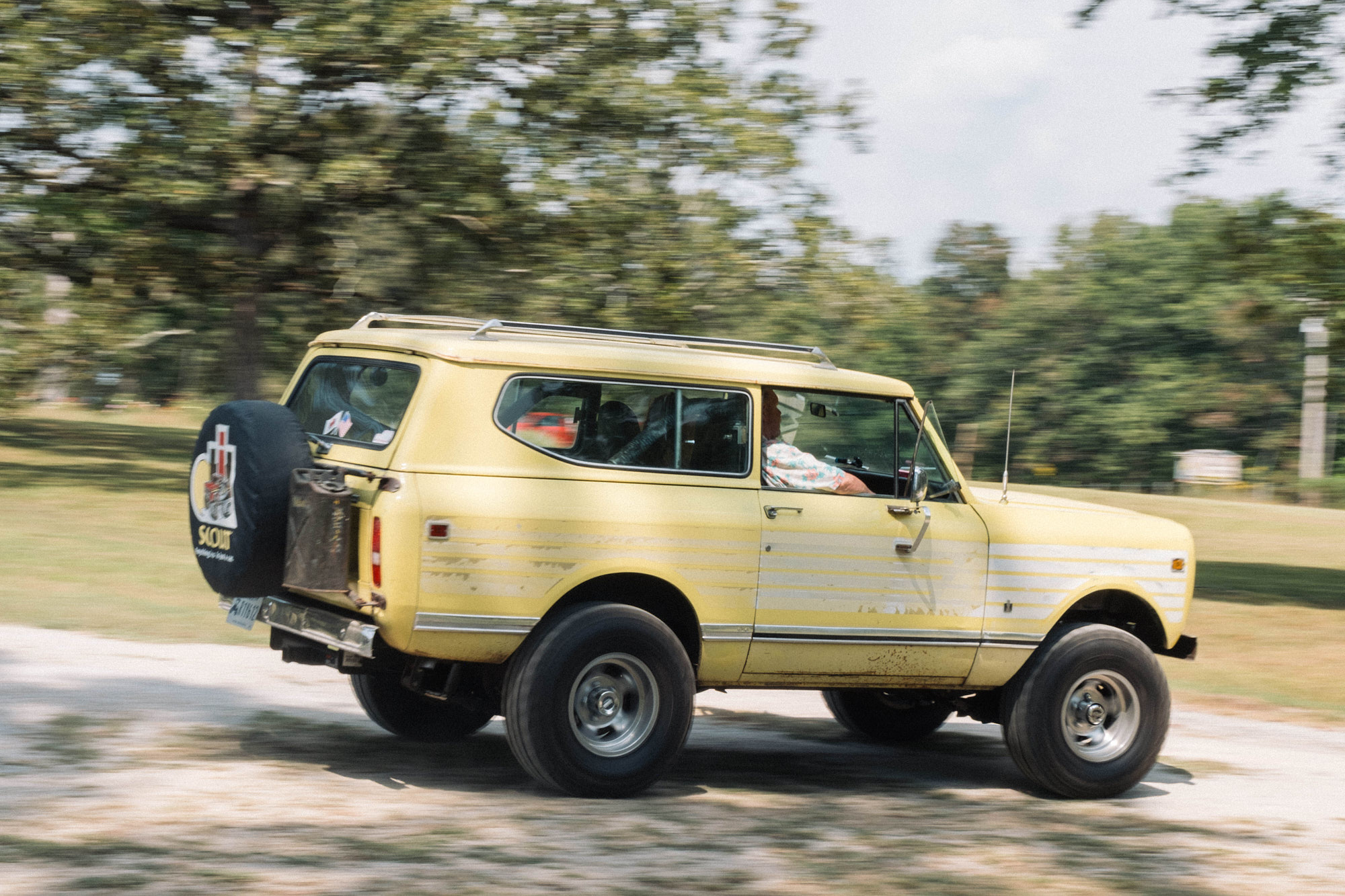
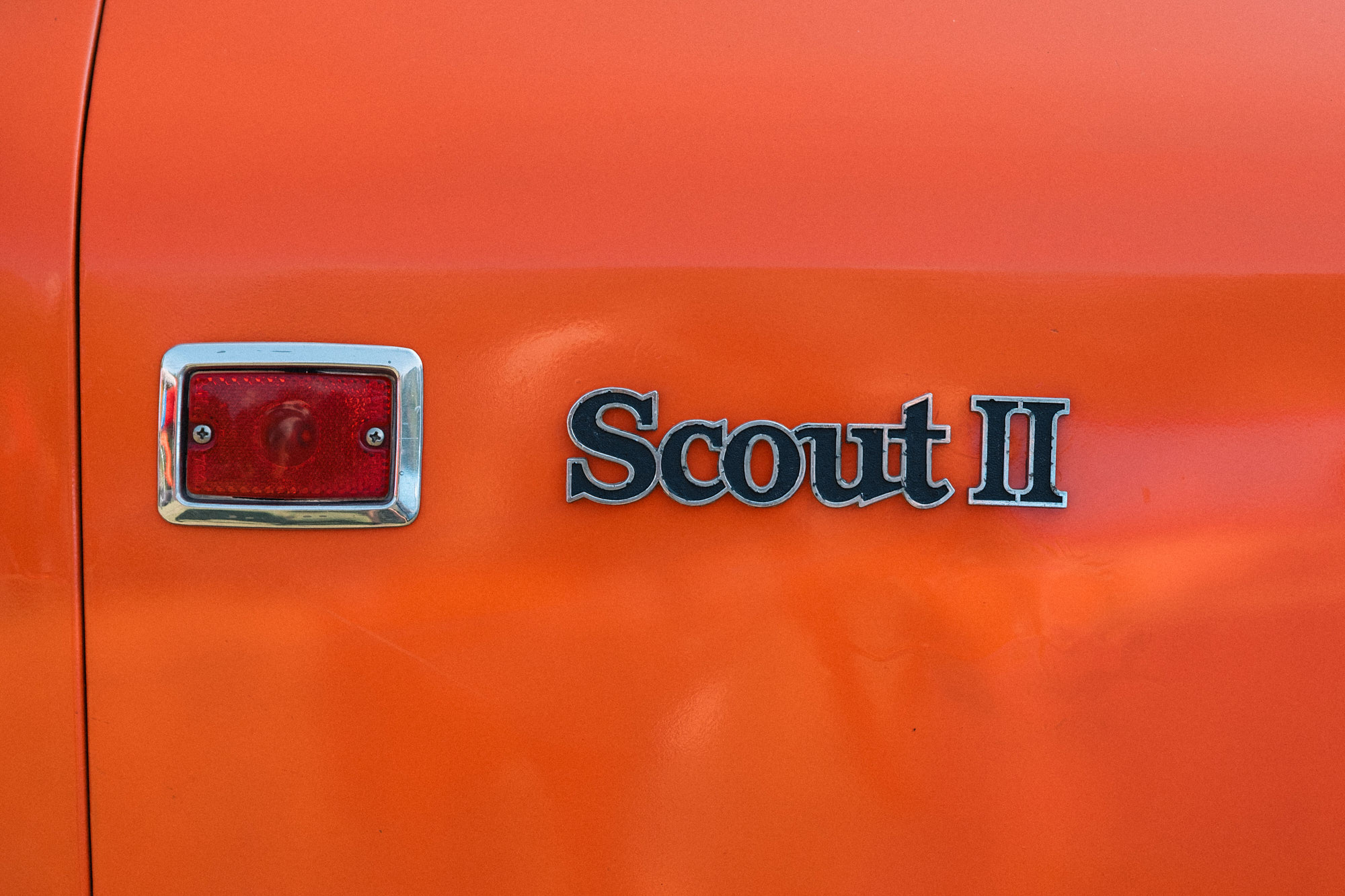
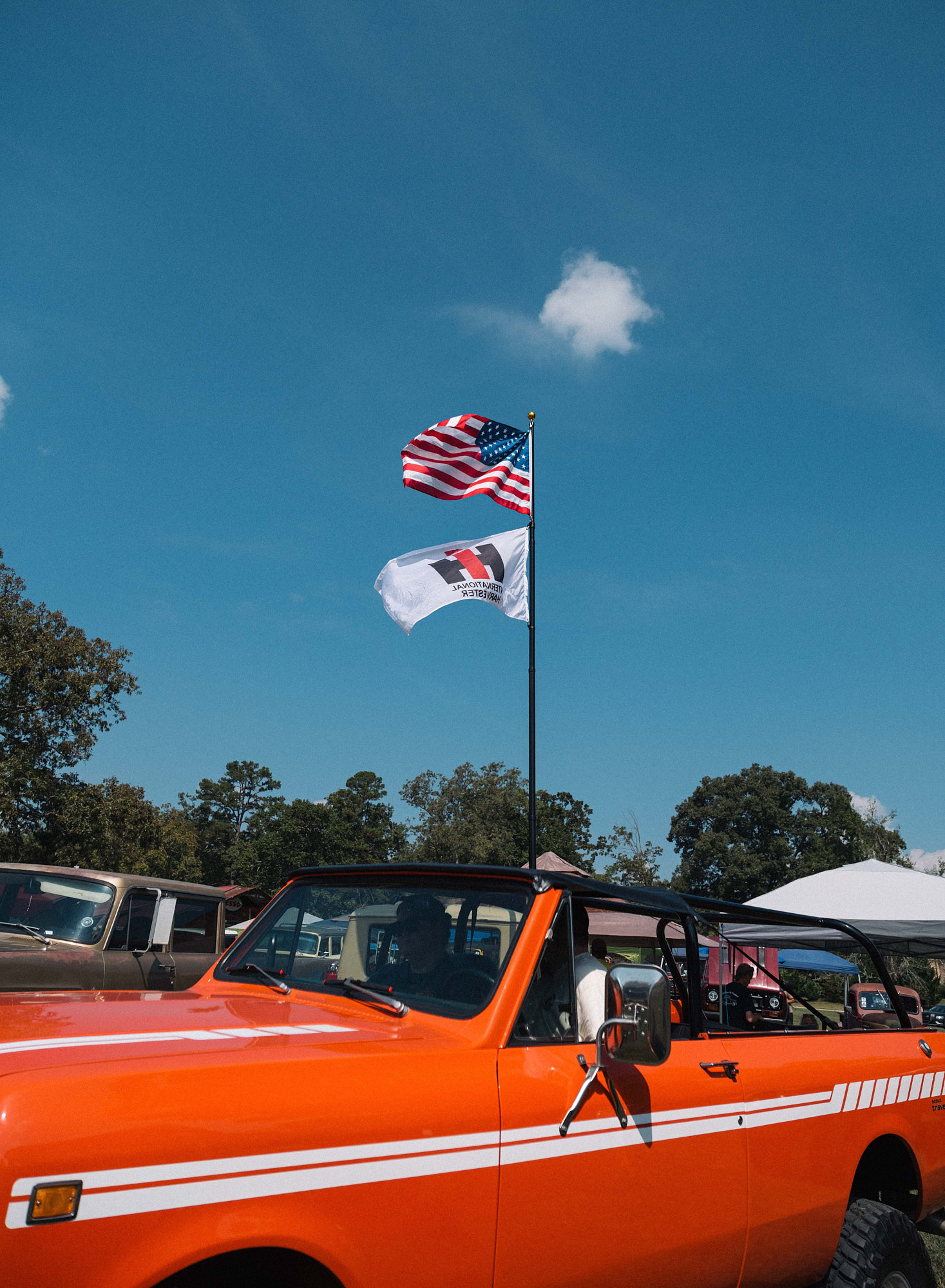
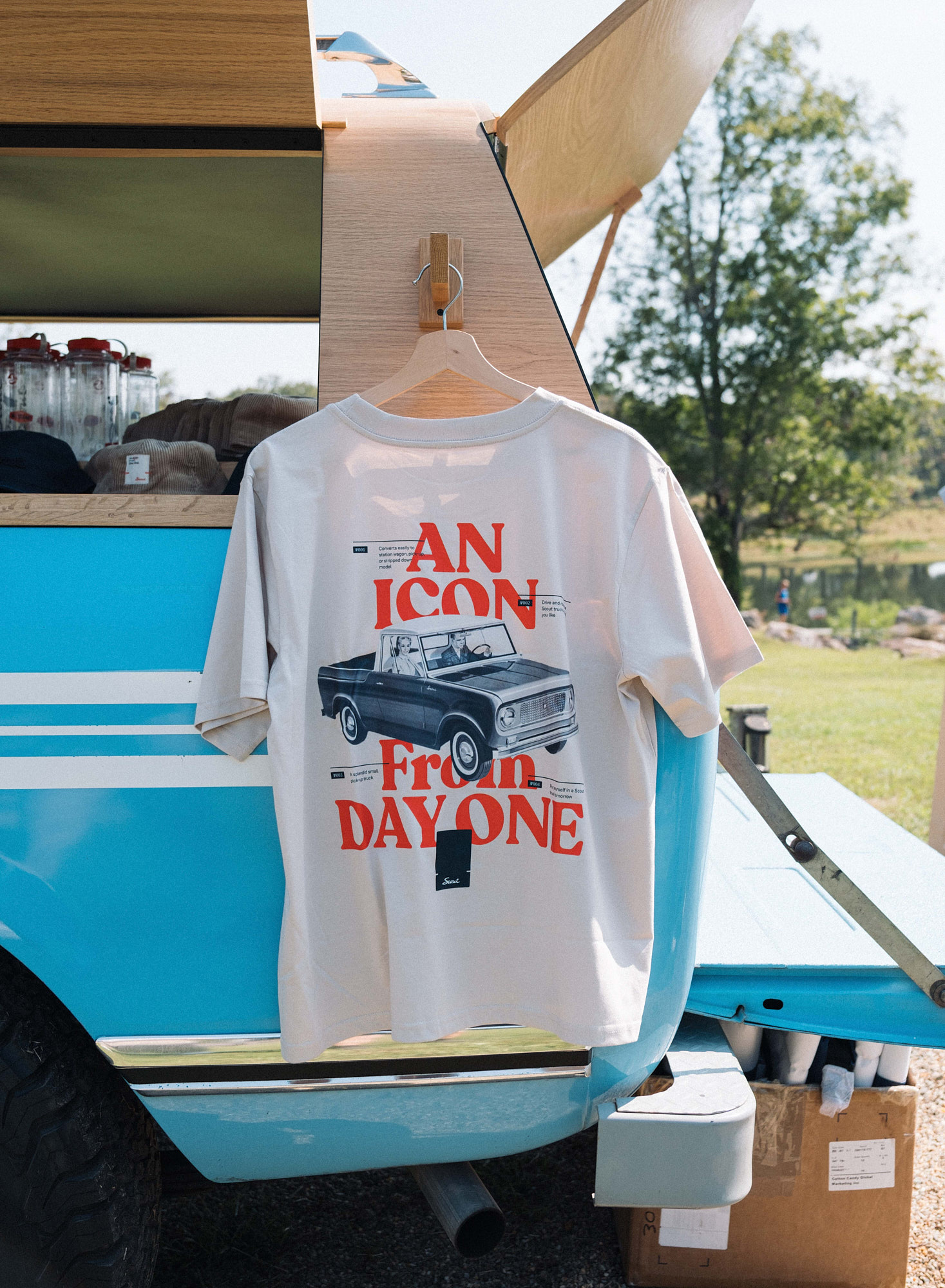
ome September, the town of Crossville, Tennessee comes alive for one weekend with the sights and sounds of vintage Scout® vehicles. Passing through, you might think you had stepped back in time. A Scout II™ rolls past the murals of Main Street, a Terra™ truck passes the Palace Theatre, a Travelall™ SUV waits at a stoplight. And soon they are everywhere—in restaurant parking lots, outside coffee shops, rumbling along U.S. 70 and nosing down side streets.
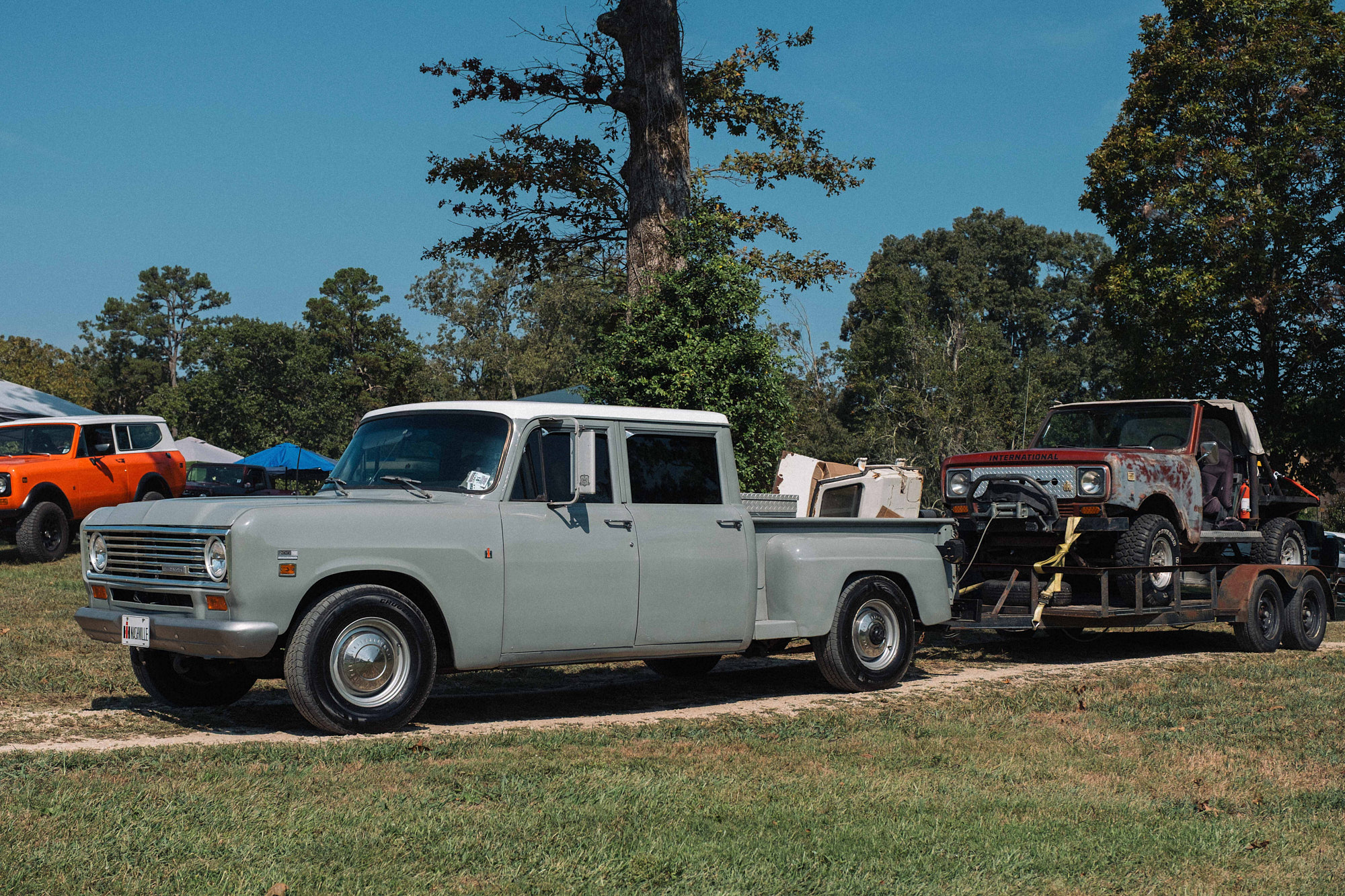
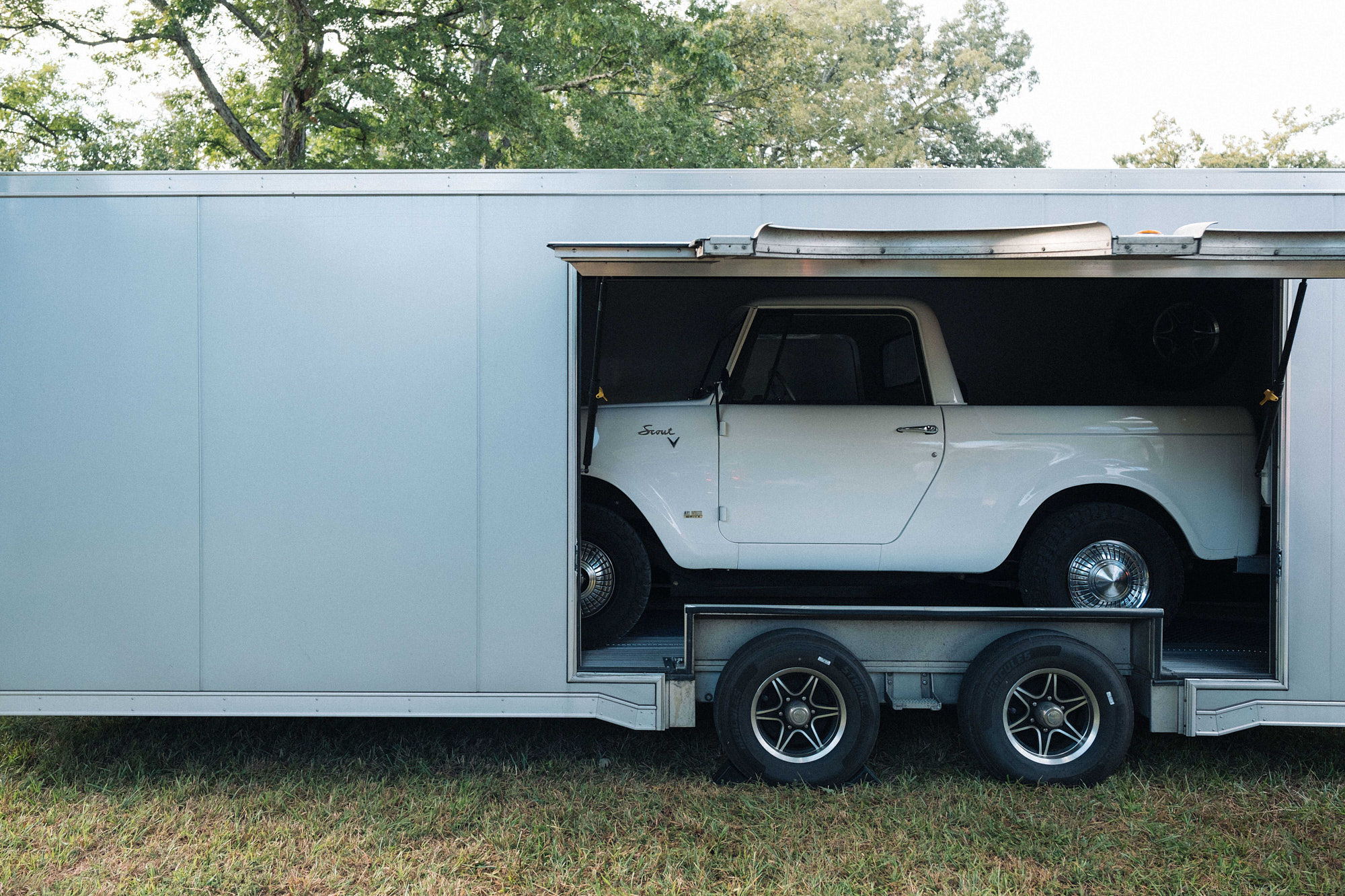
Some arrive under their own power, having traveled from a few miles away or hundreds of miles across state lines, while some ride to Tennessee on trailers. Heck, some just leave their Scout rig at home in the garage and show up anyway.
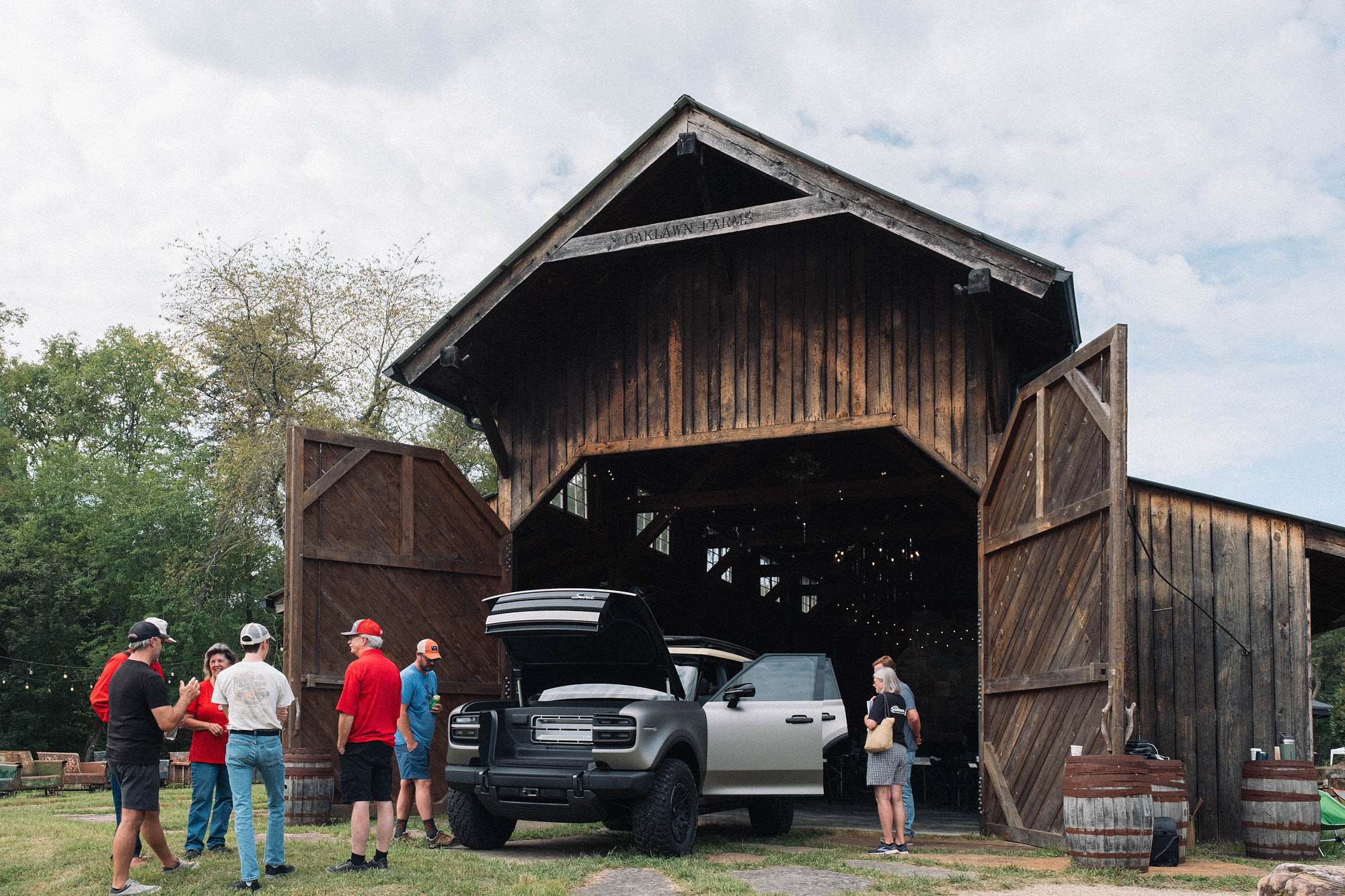
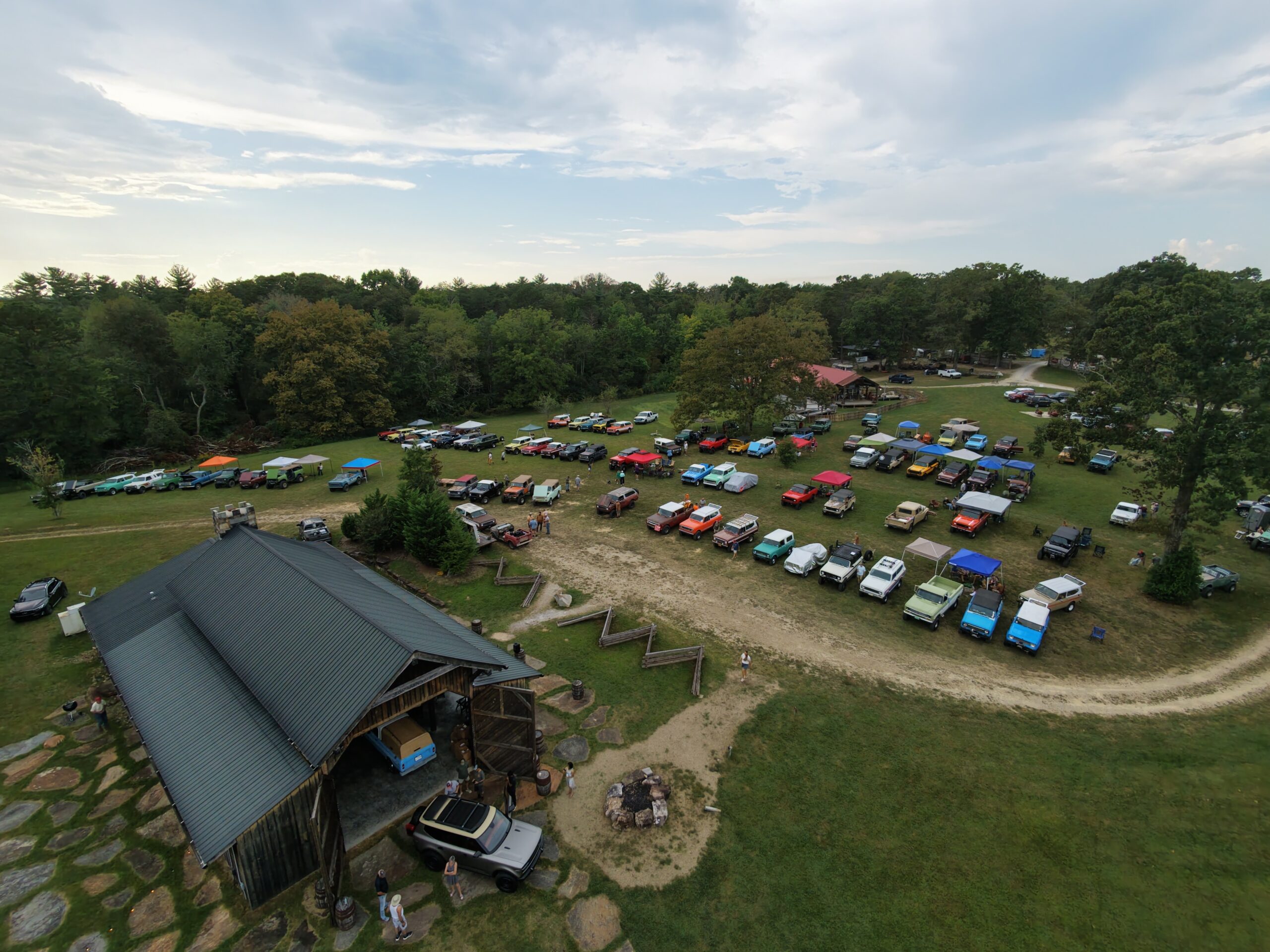
Oaklawn Farms becomes the base camp for the weekend, it’s a scene from a country song: a couple hundred acres of pristine farmland on rolling hills with a combine in the distance kicking up dust. There’s a lake where folks cast a line at dawn and dusk. A barn too, of course. One big enough to fit a new Scout Traveler™. A few miles of trails disappear deep into the woods, winding naturally through the property before emerging alongside the cornfields. Some folks camp next to or atop their rigs for the full experience.
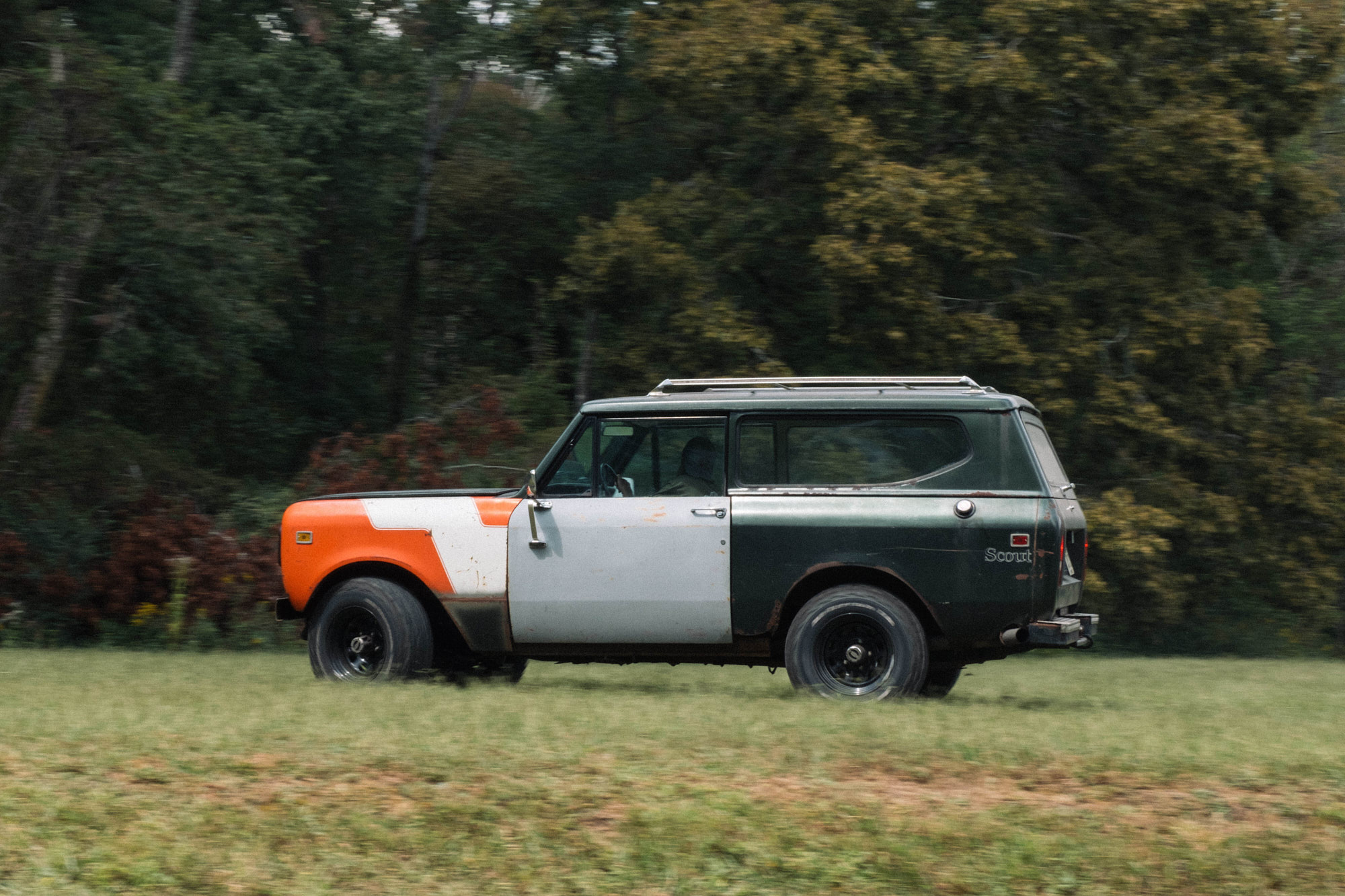
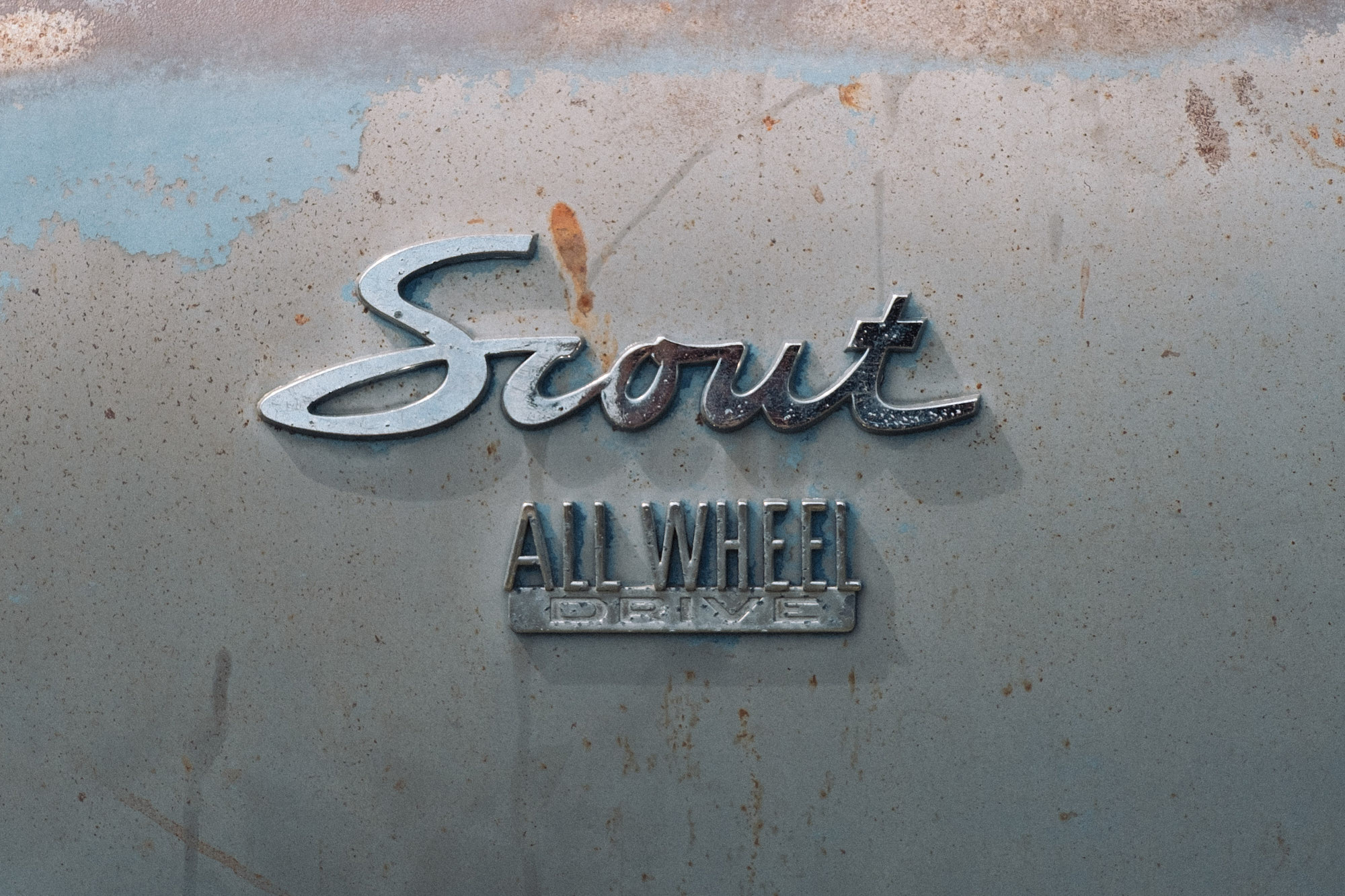
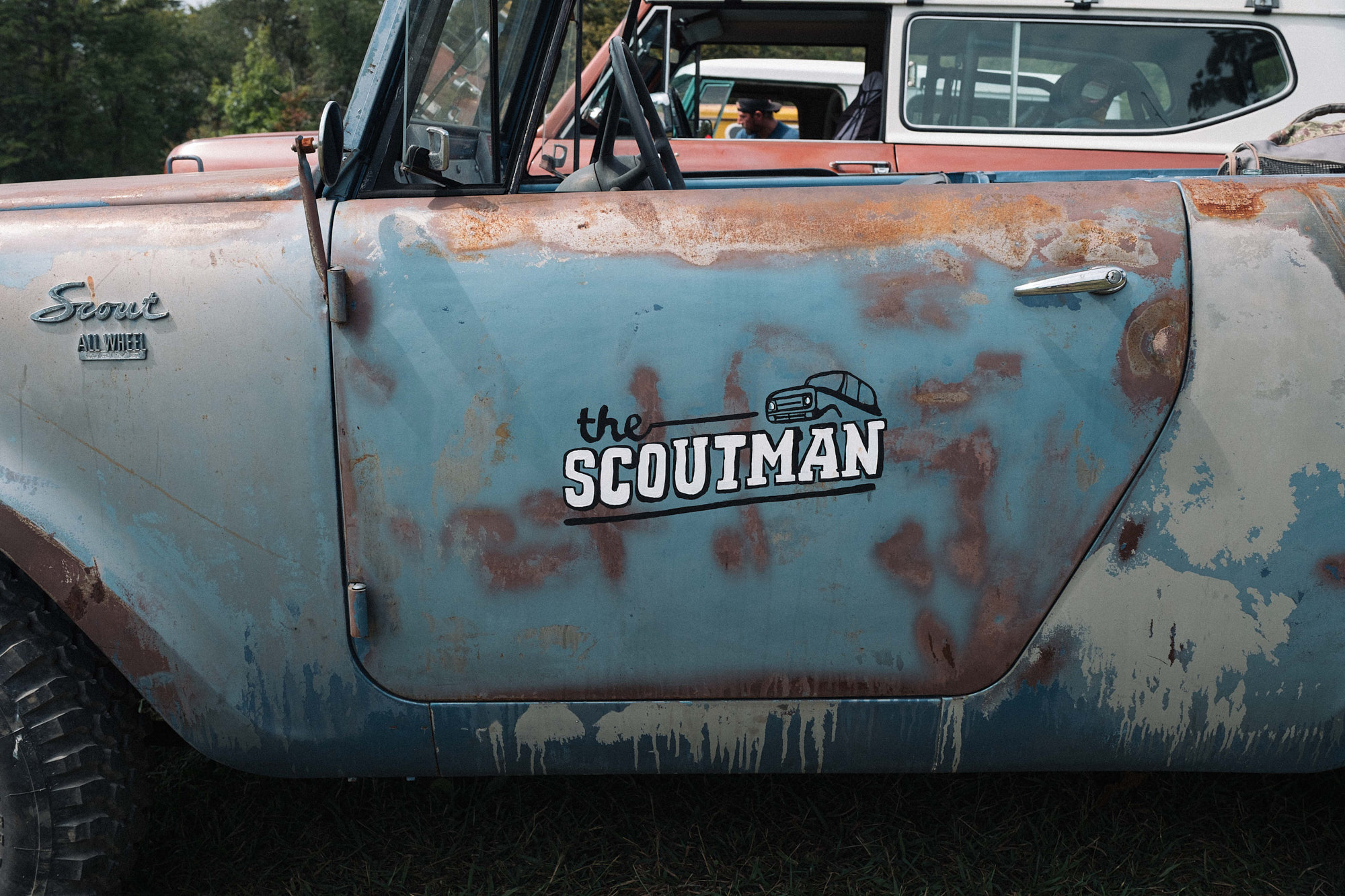
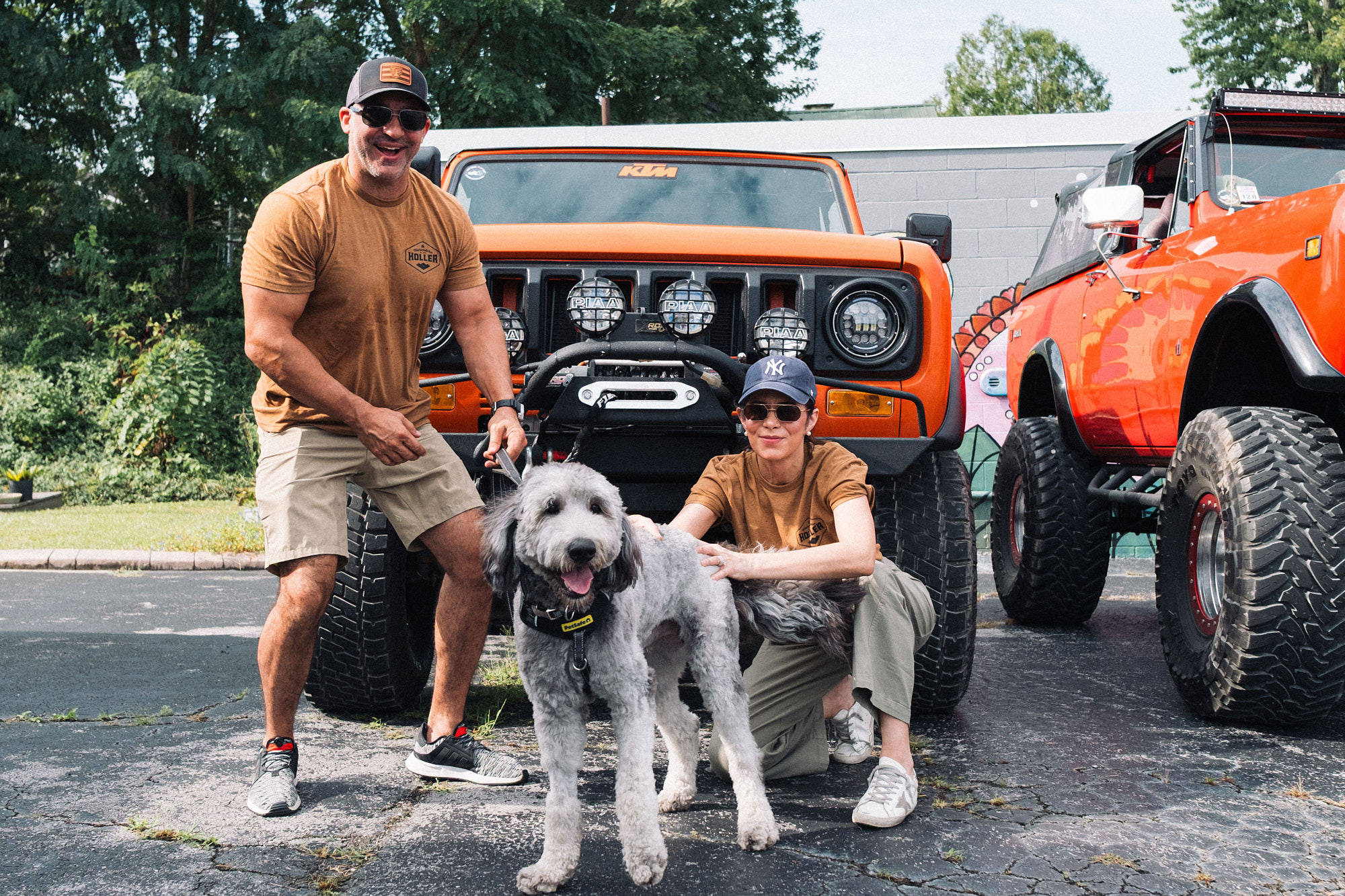
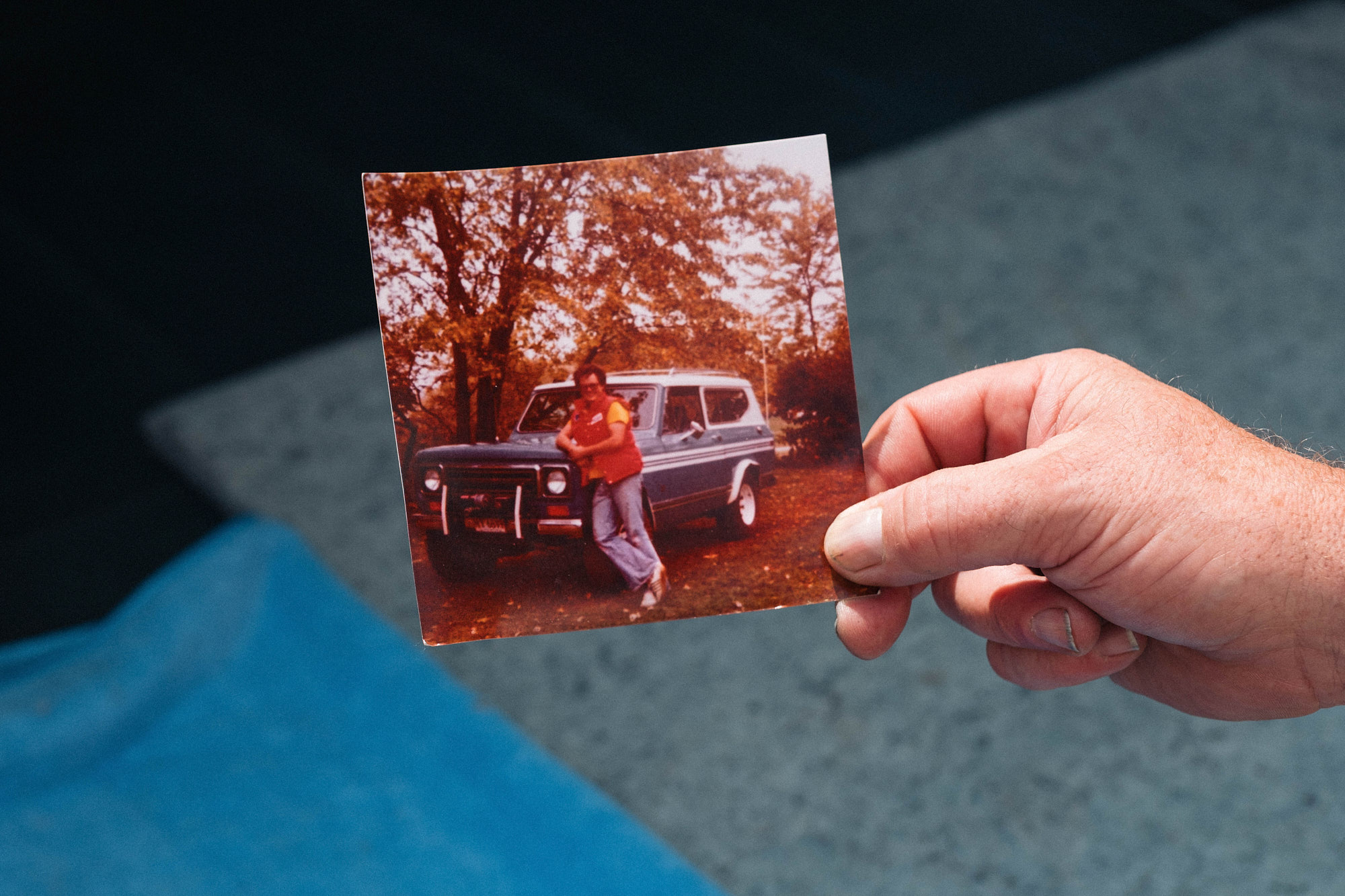
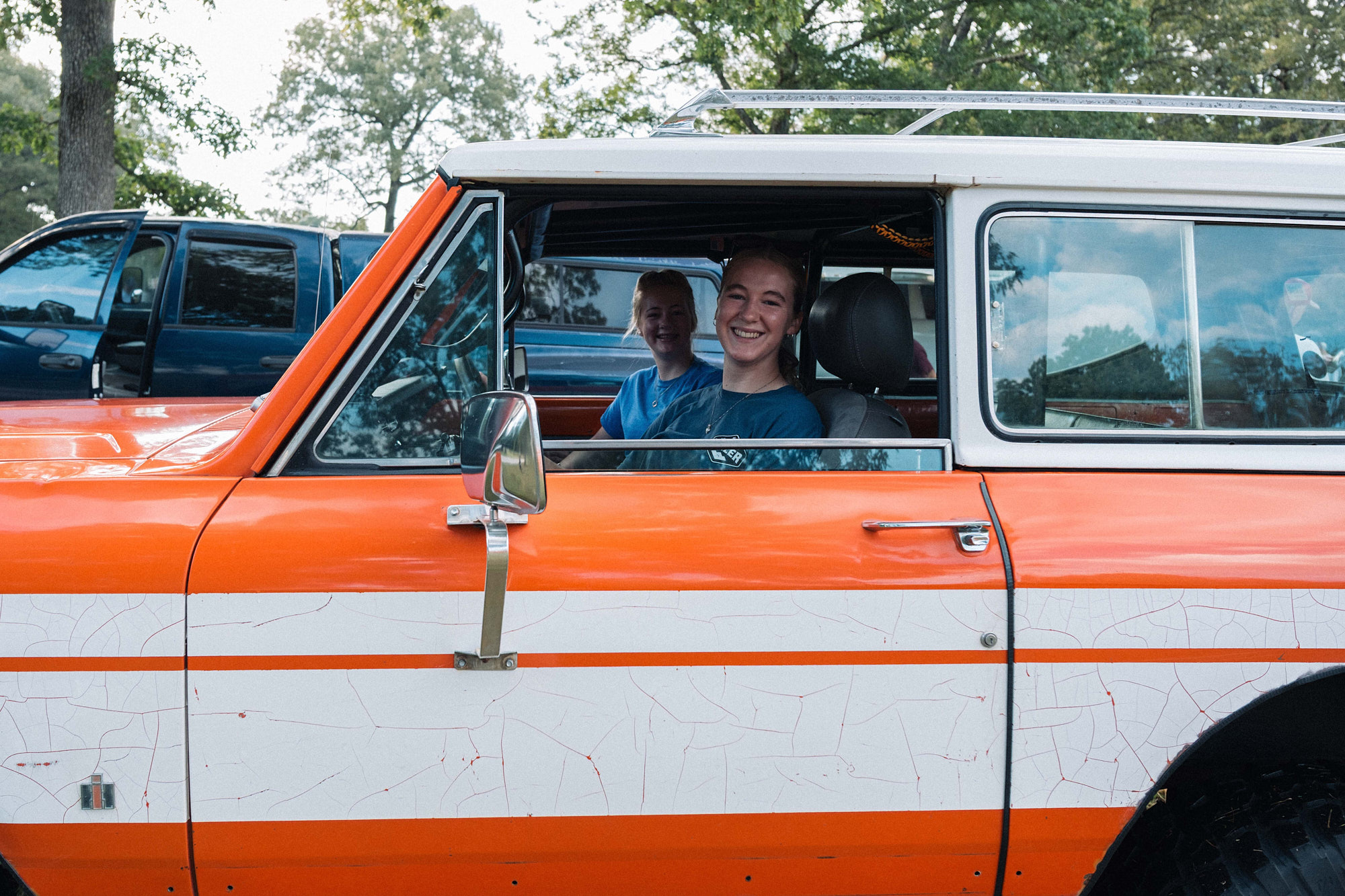
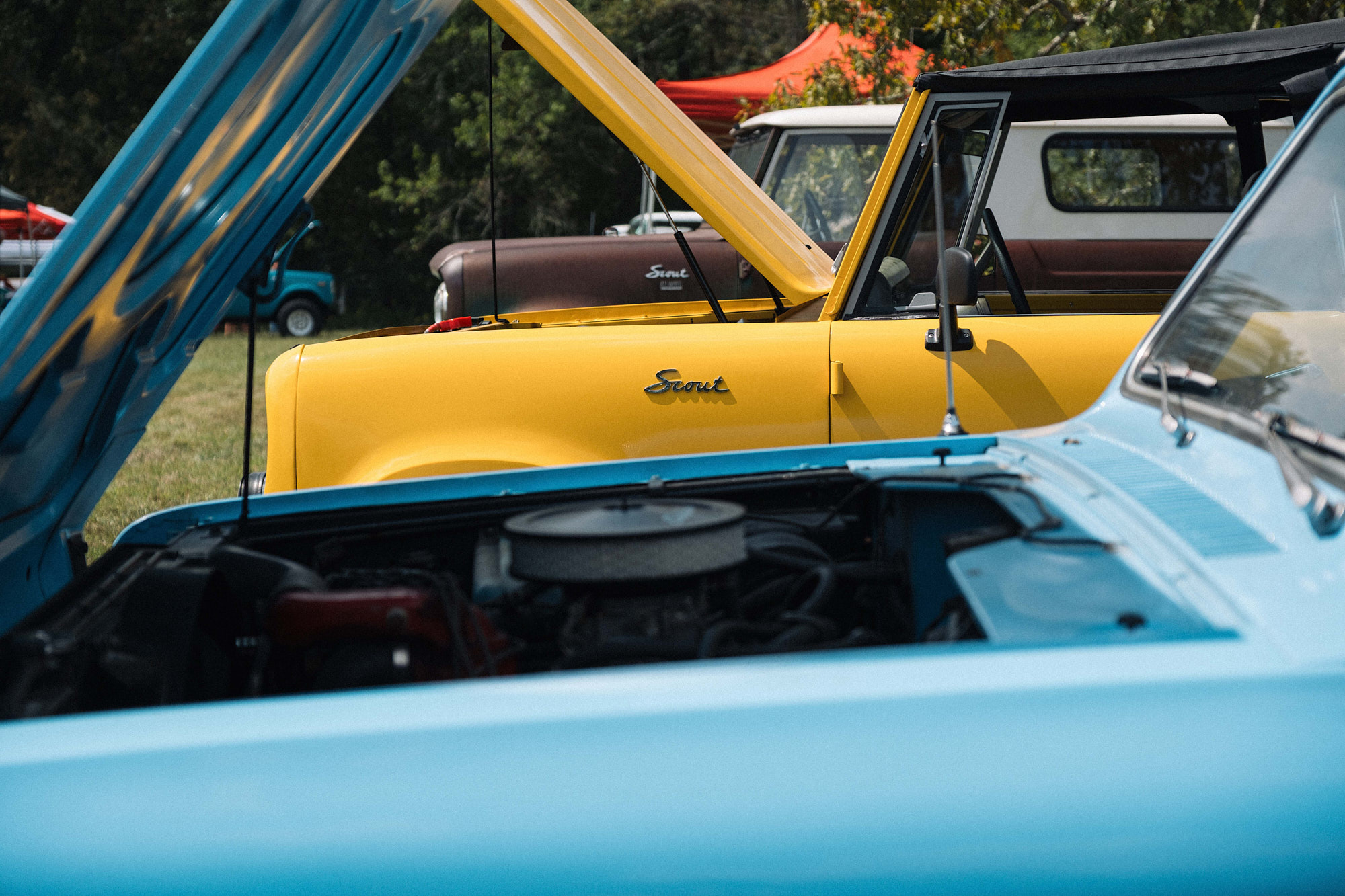
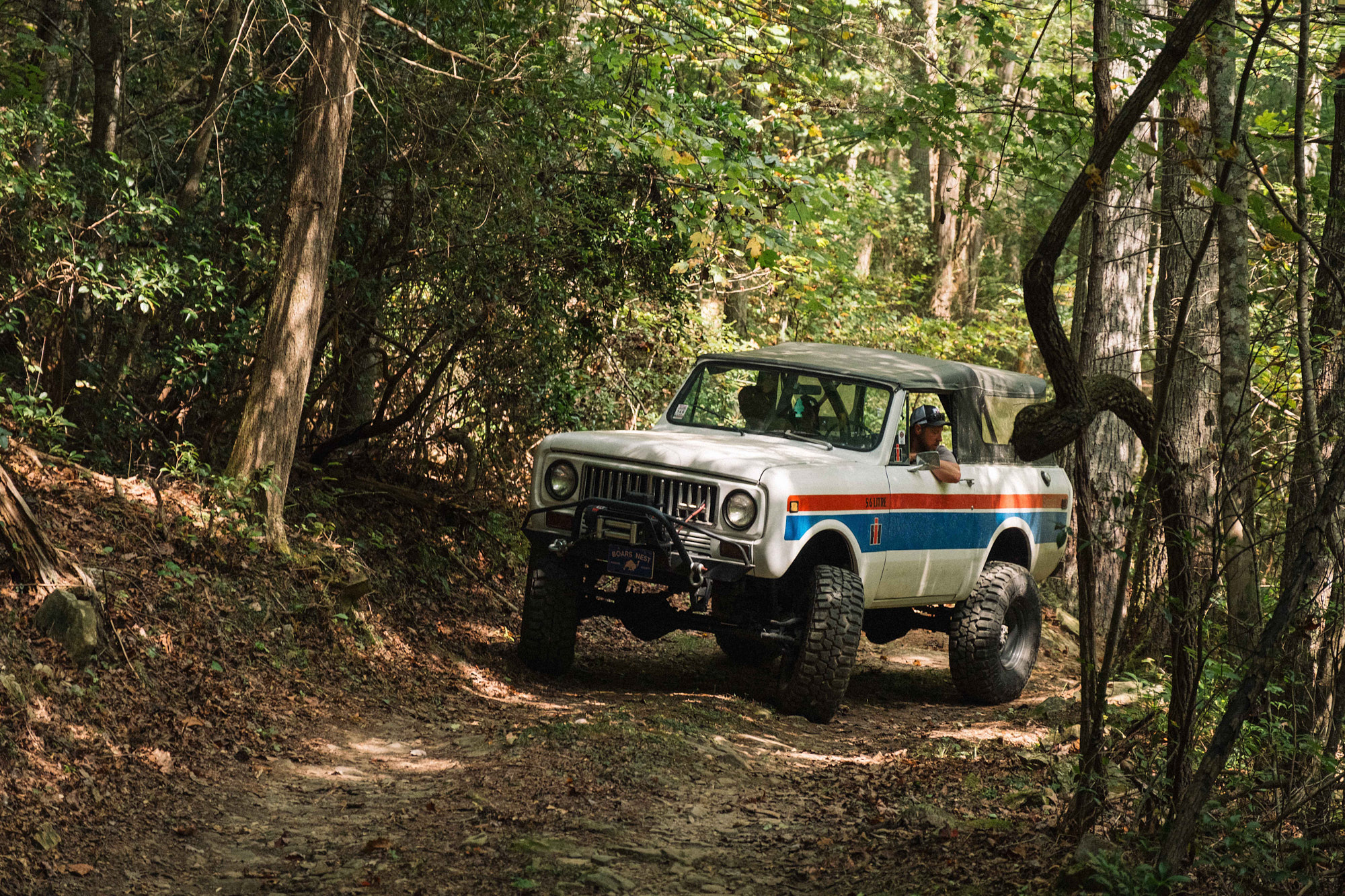
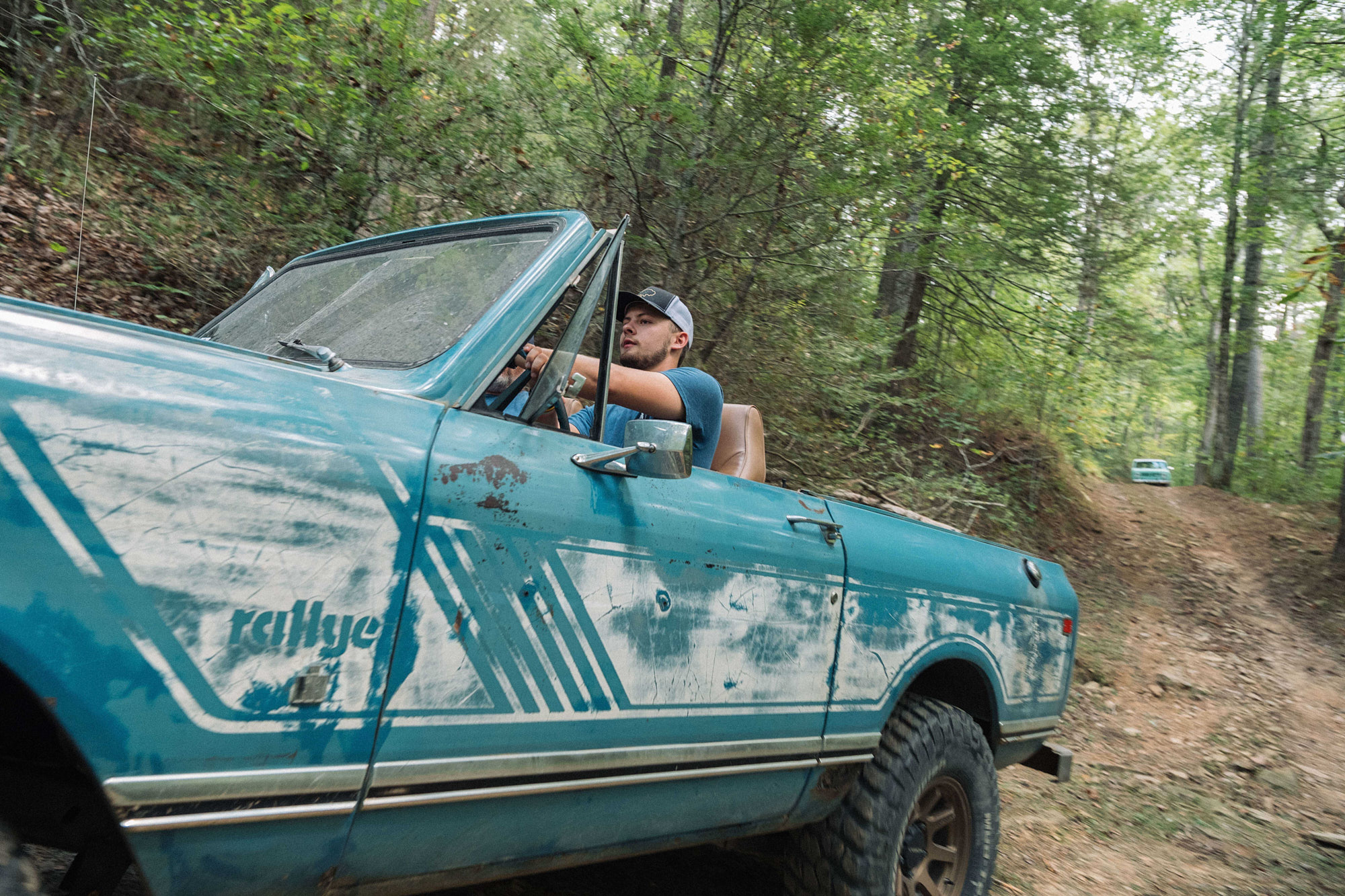
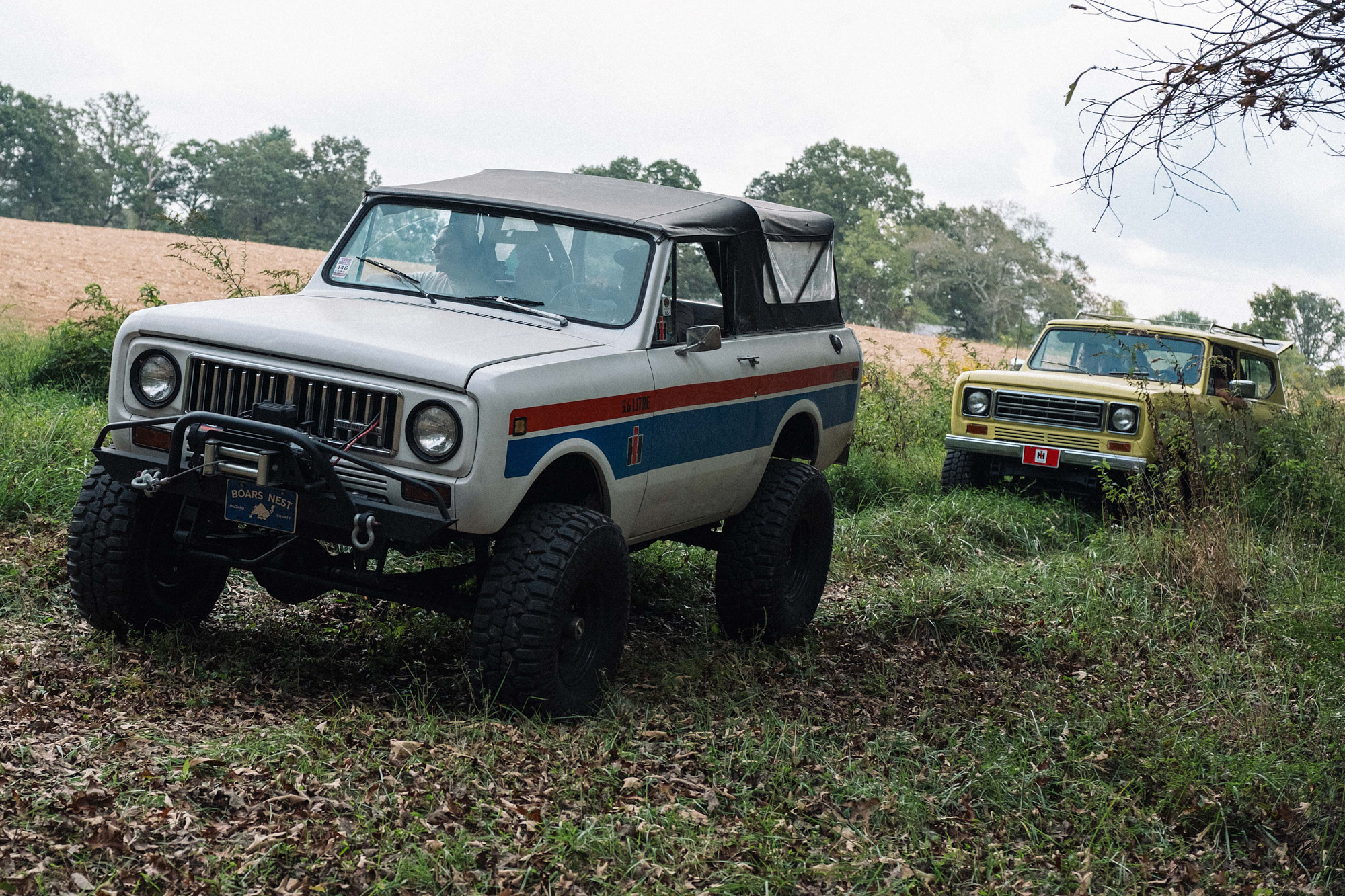
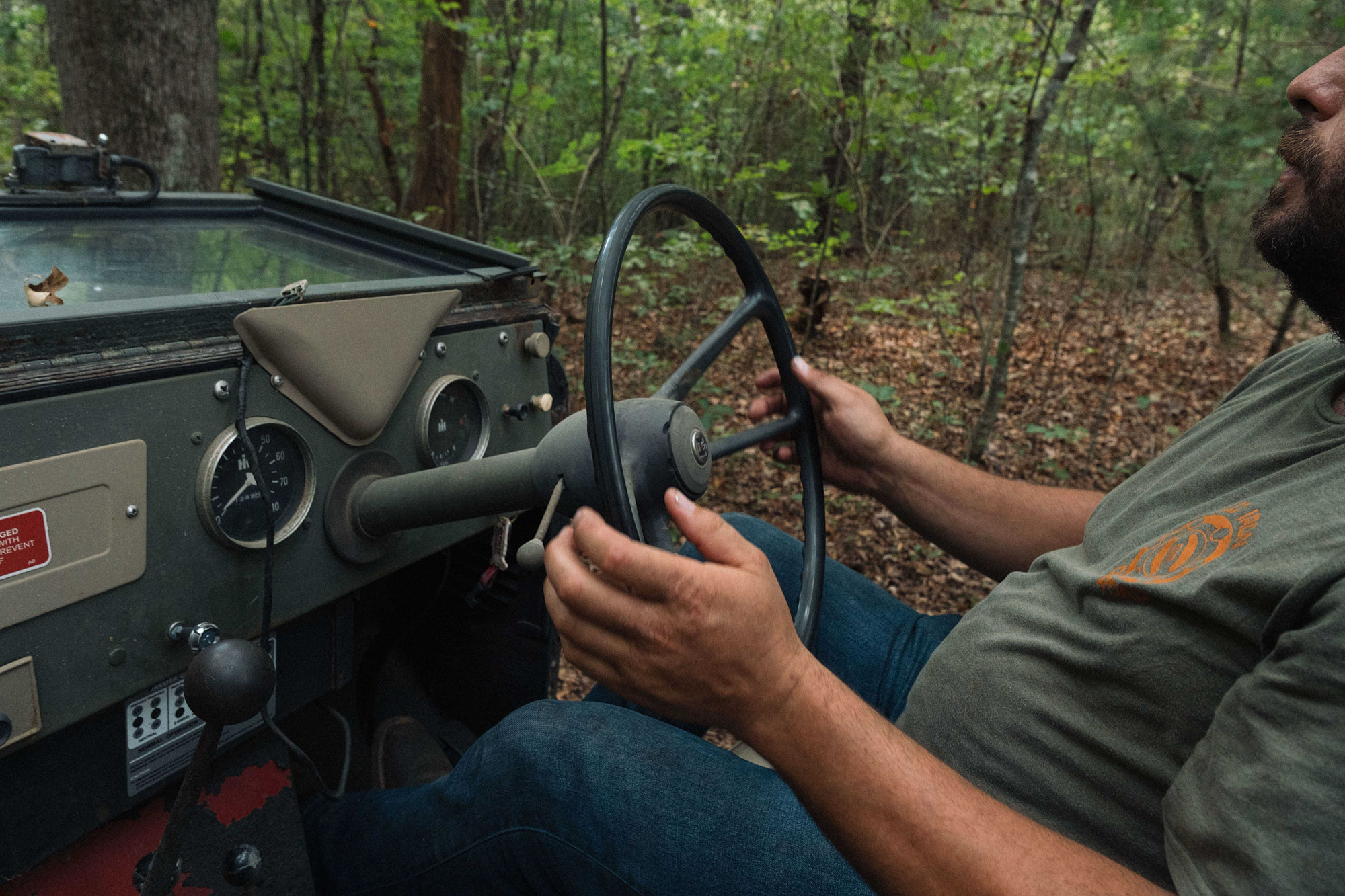
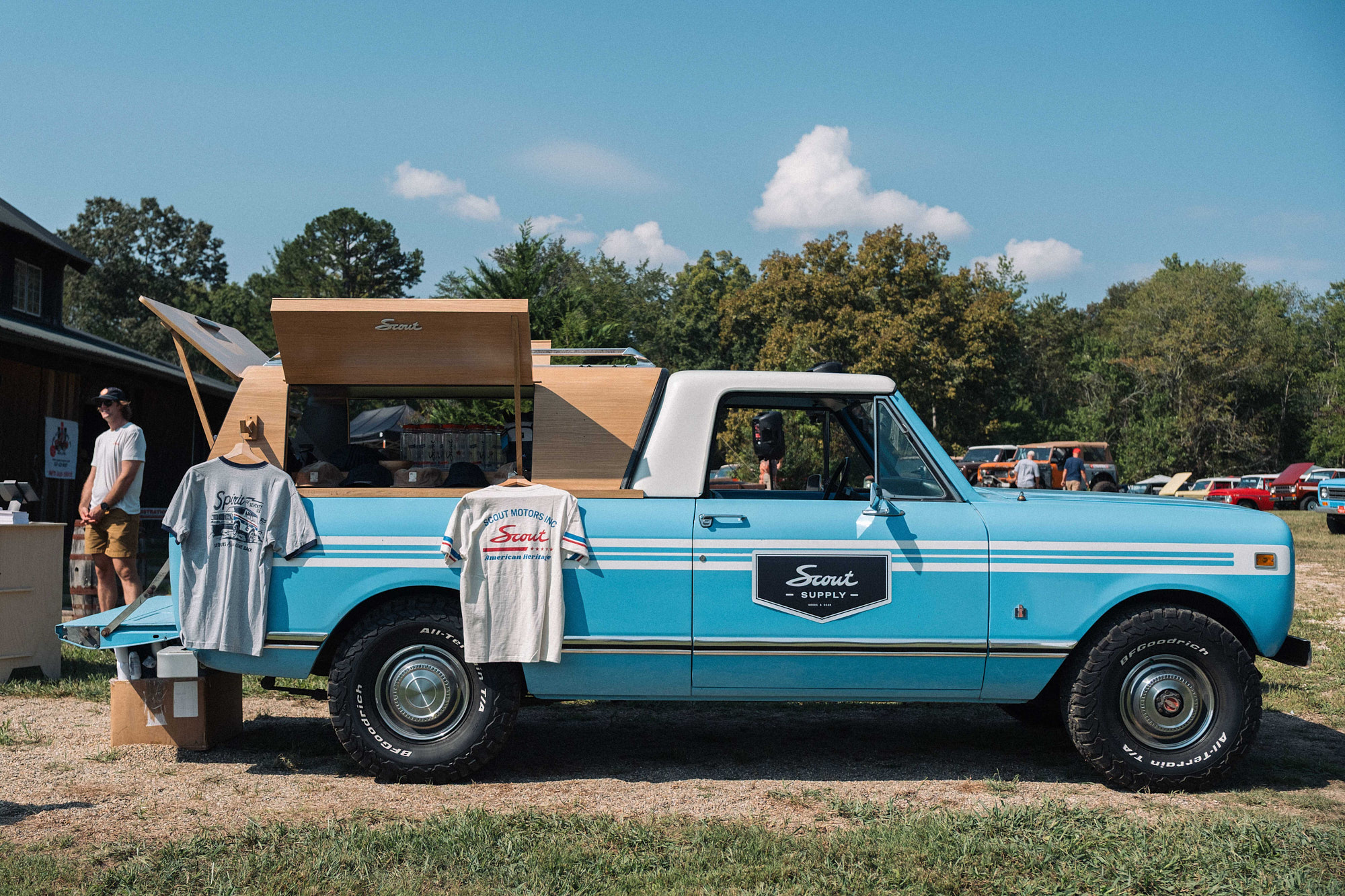
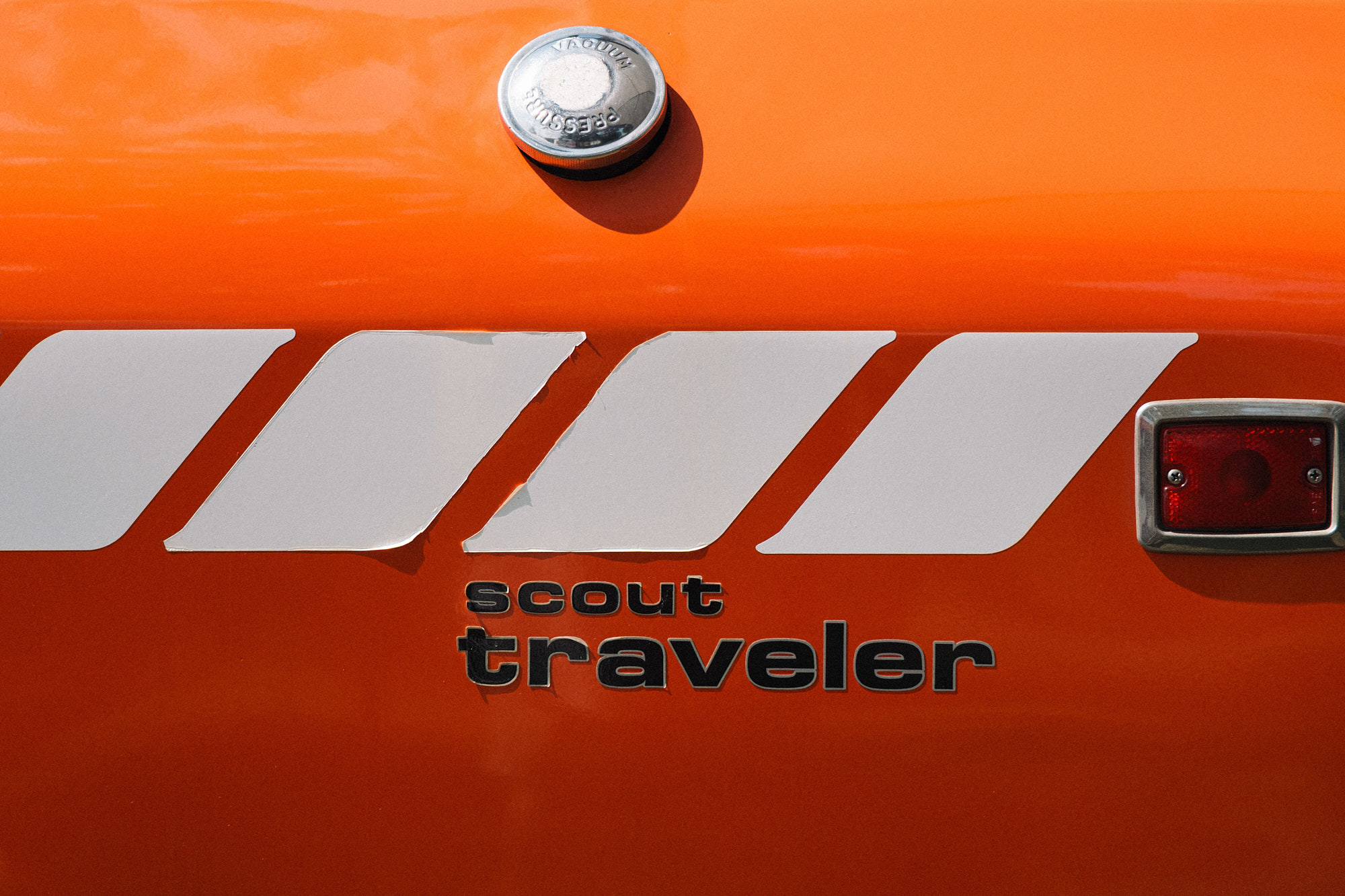
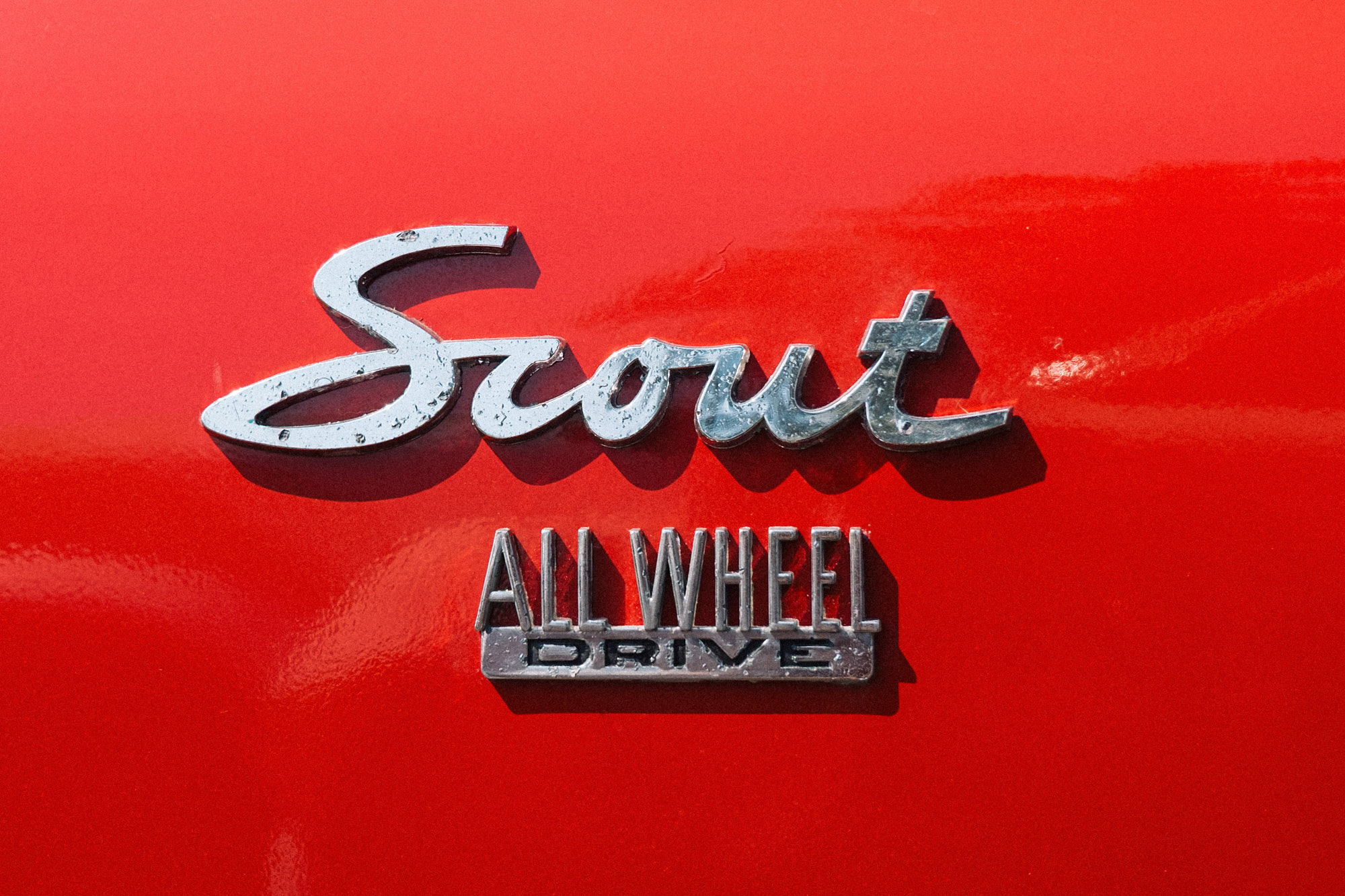
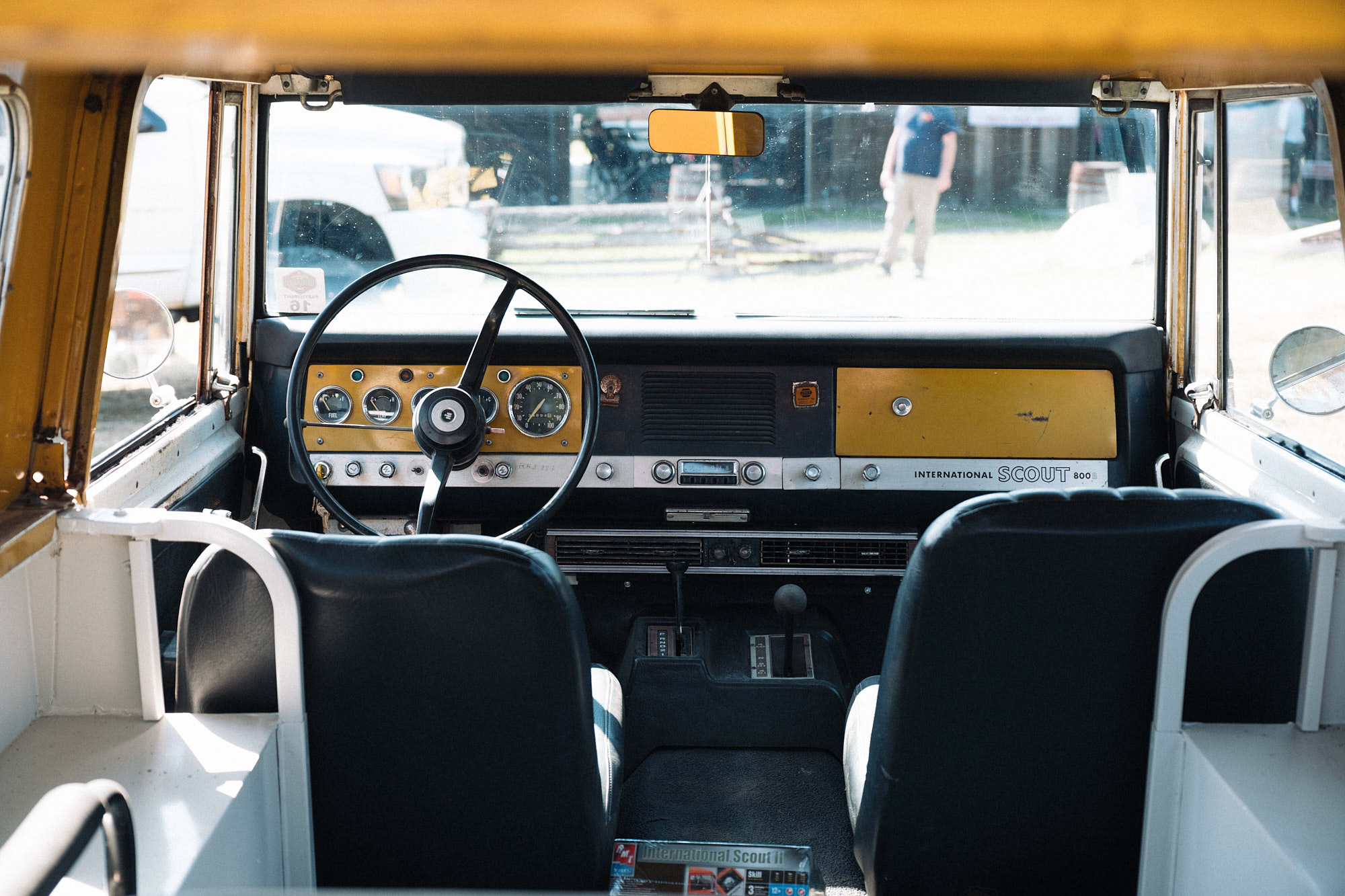
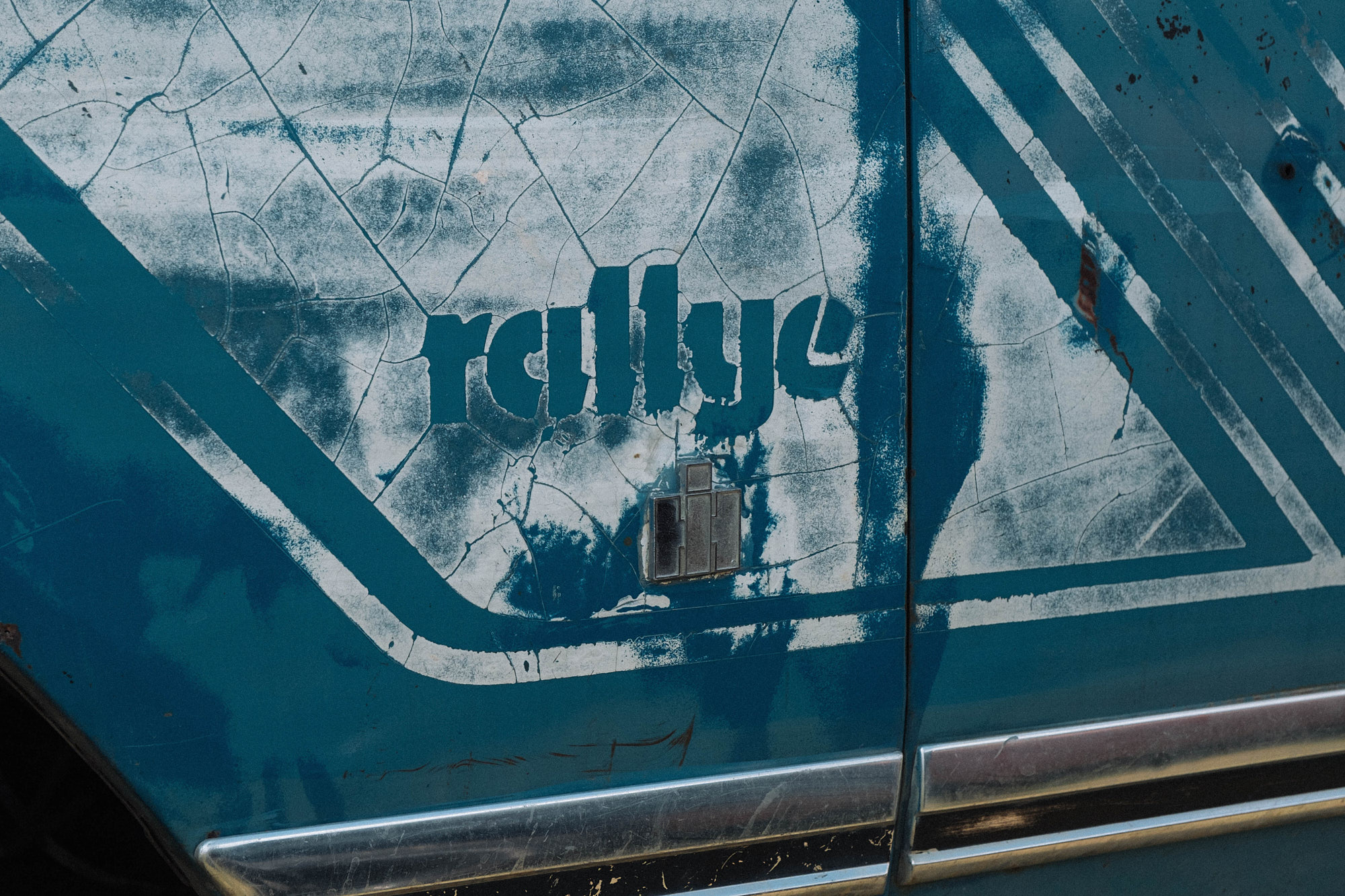
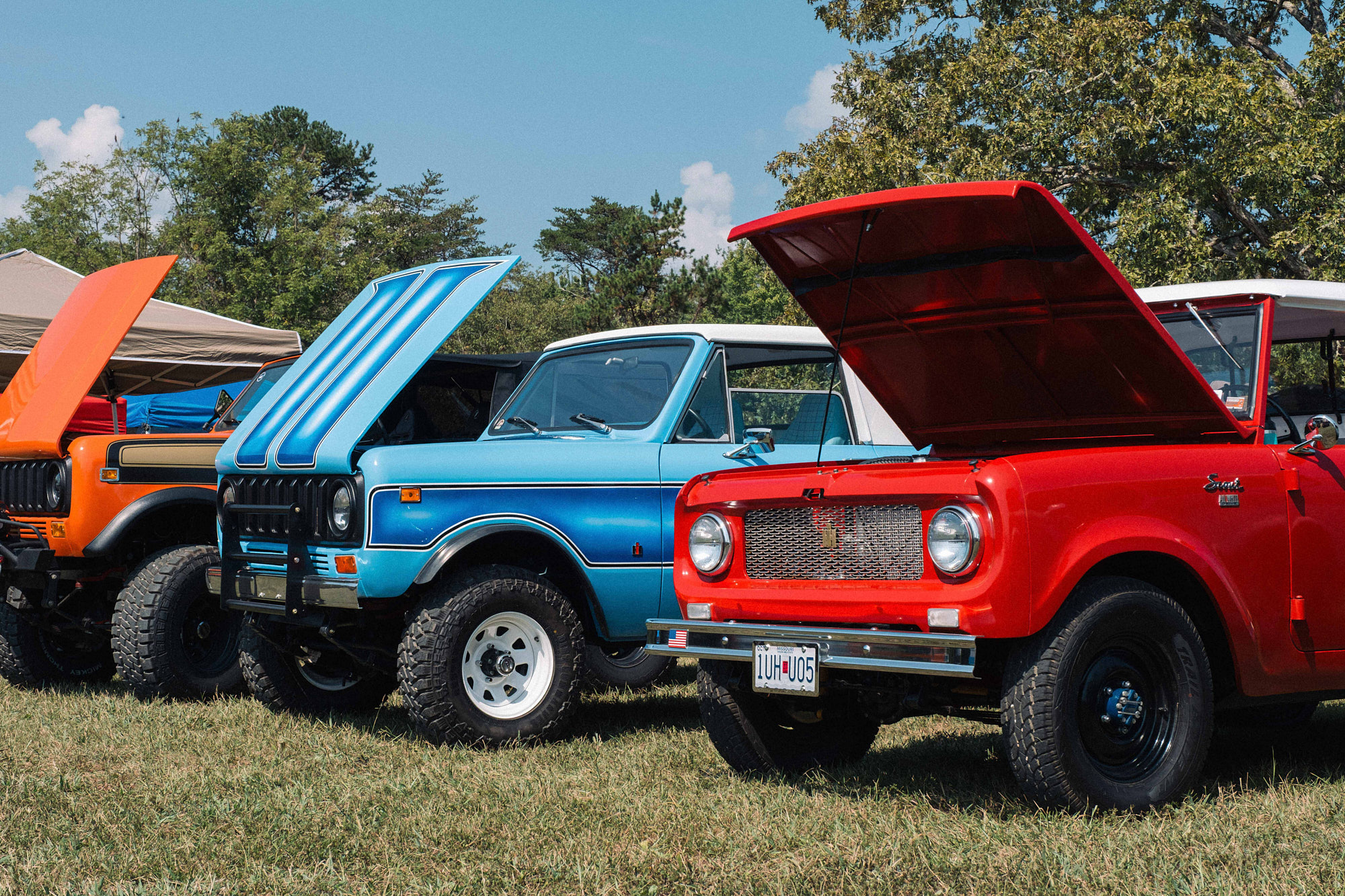
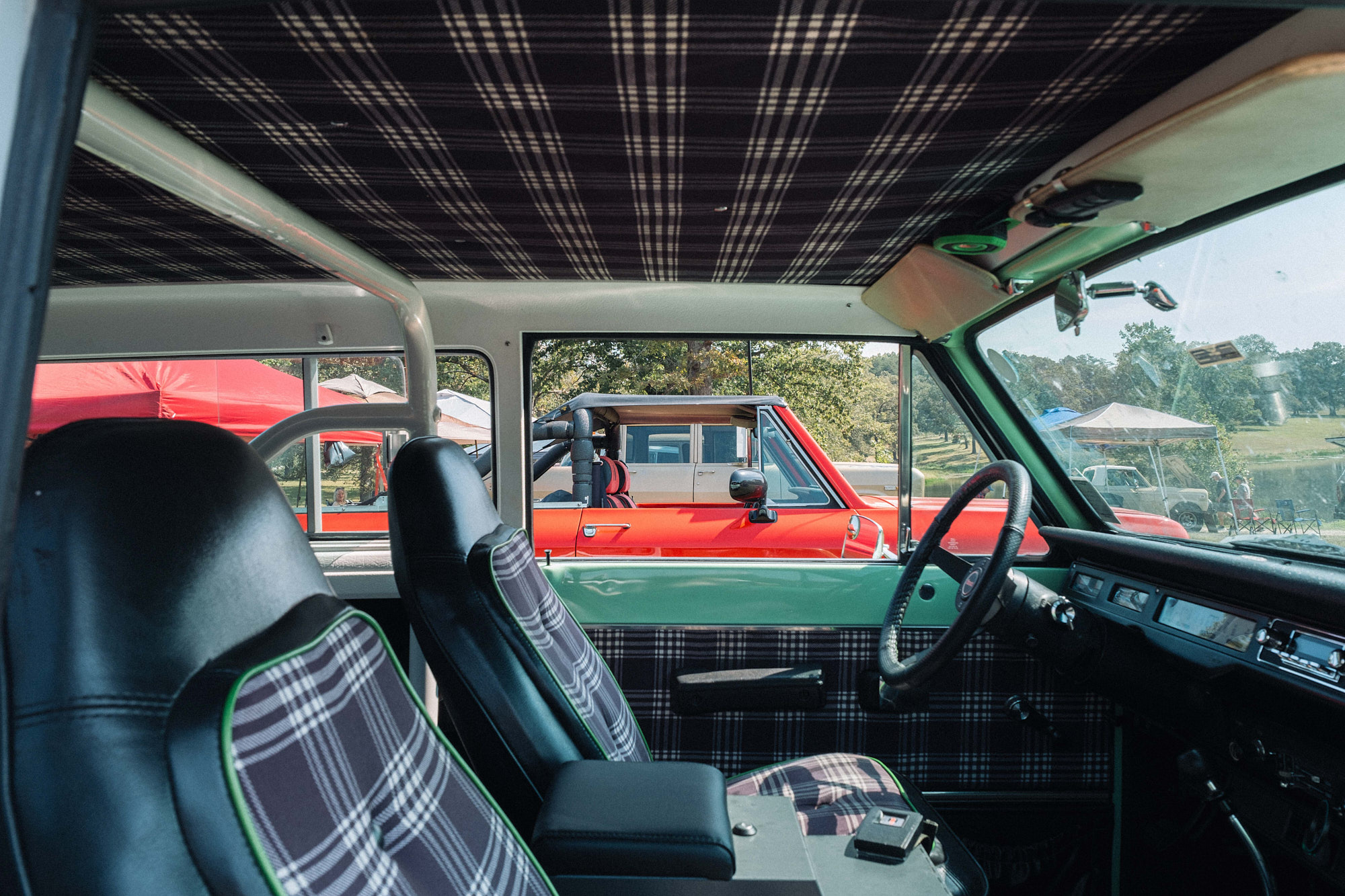
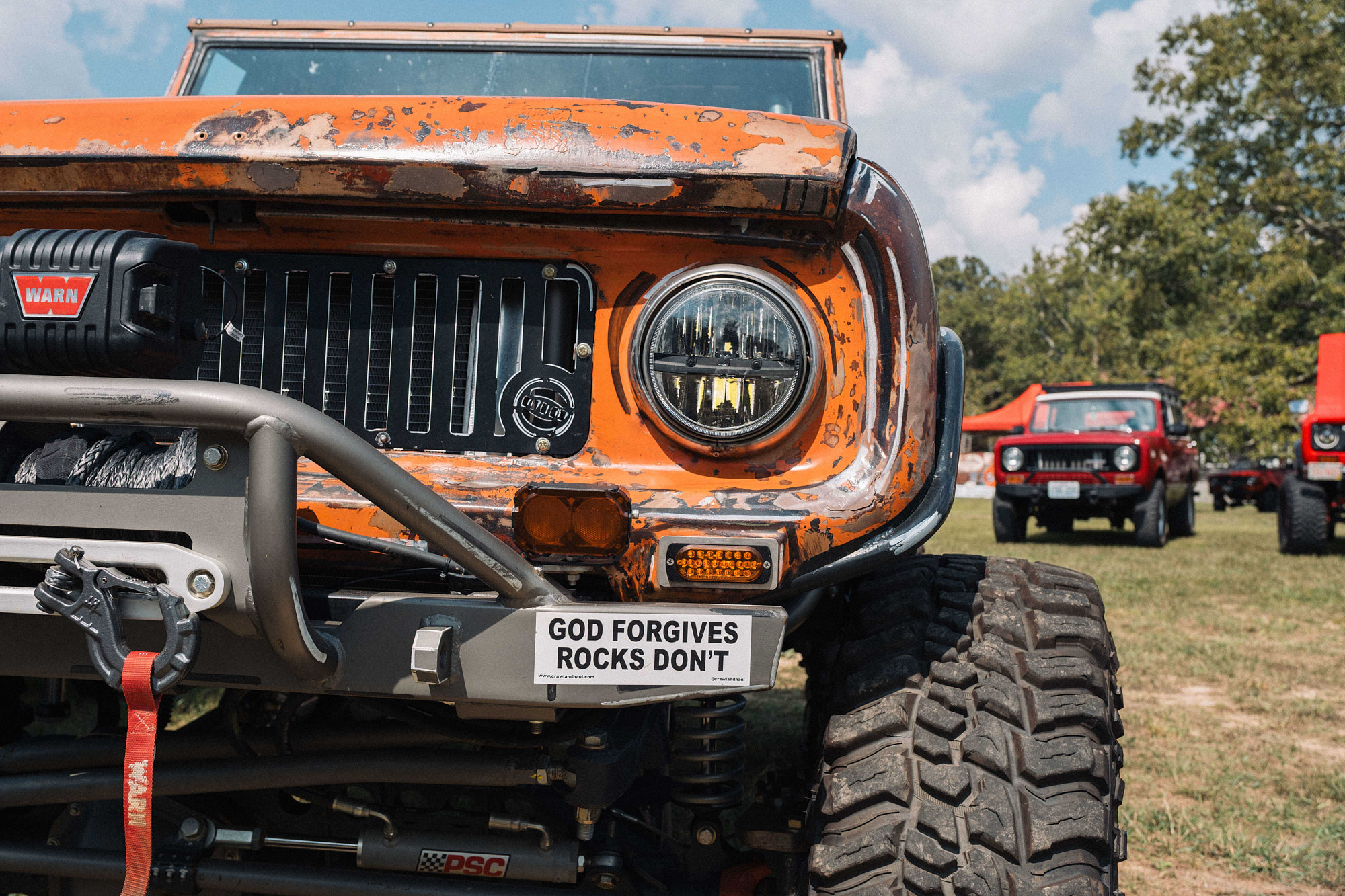
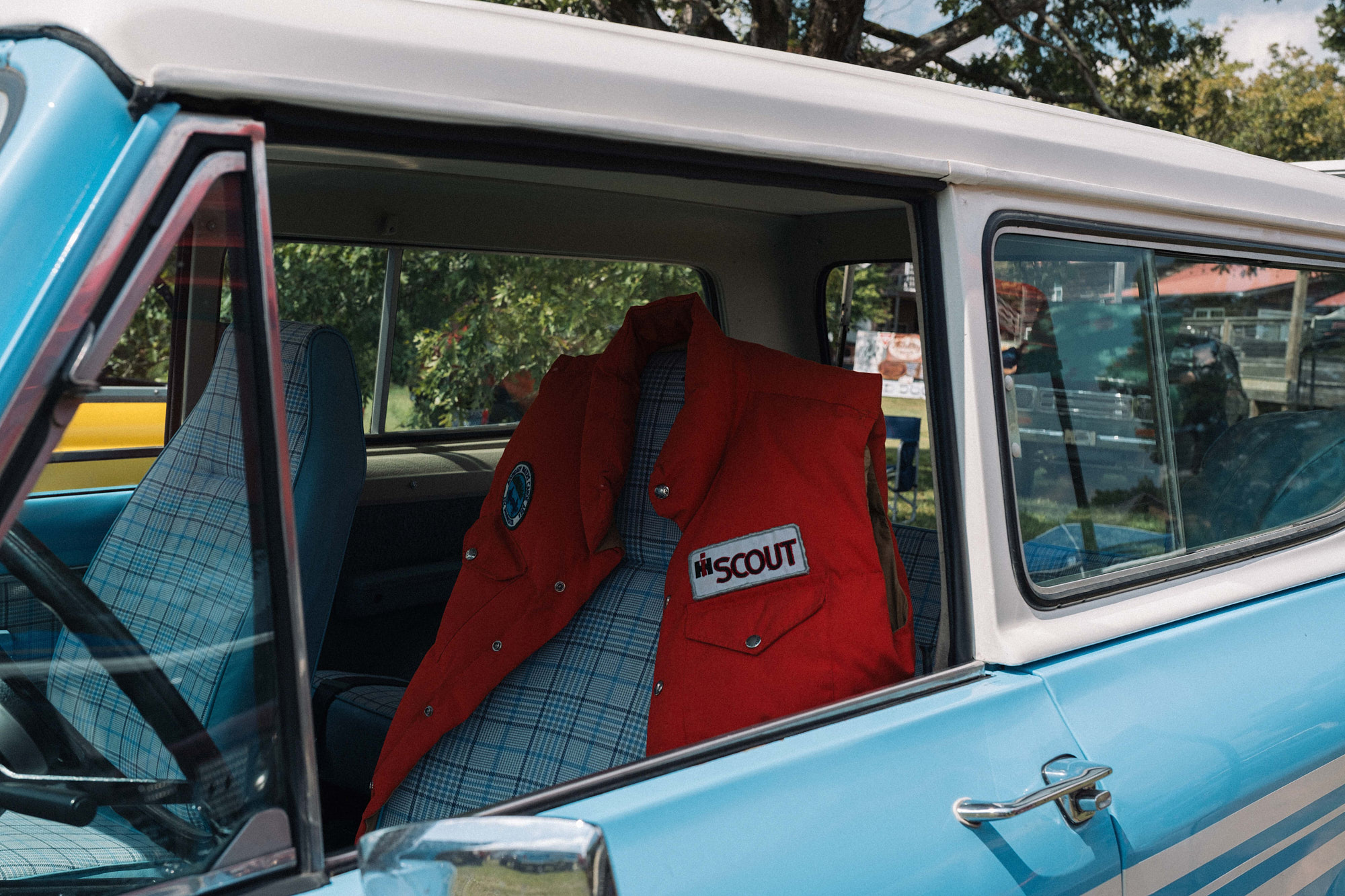
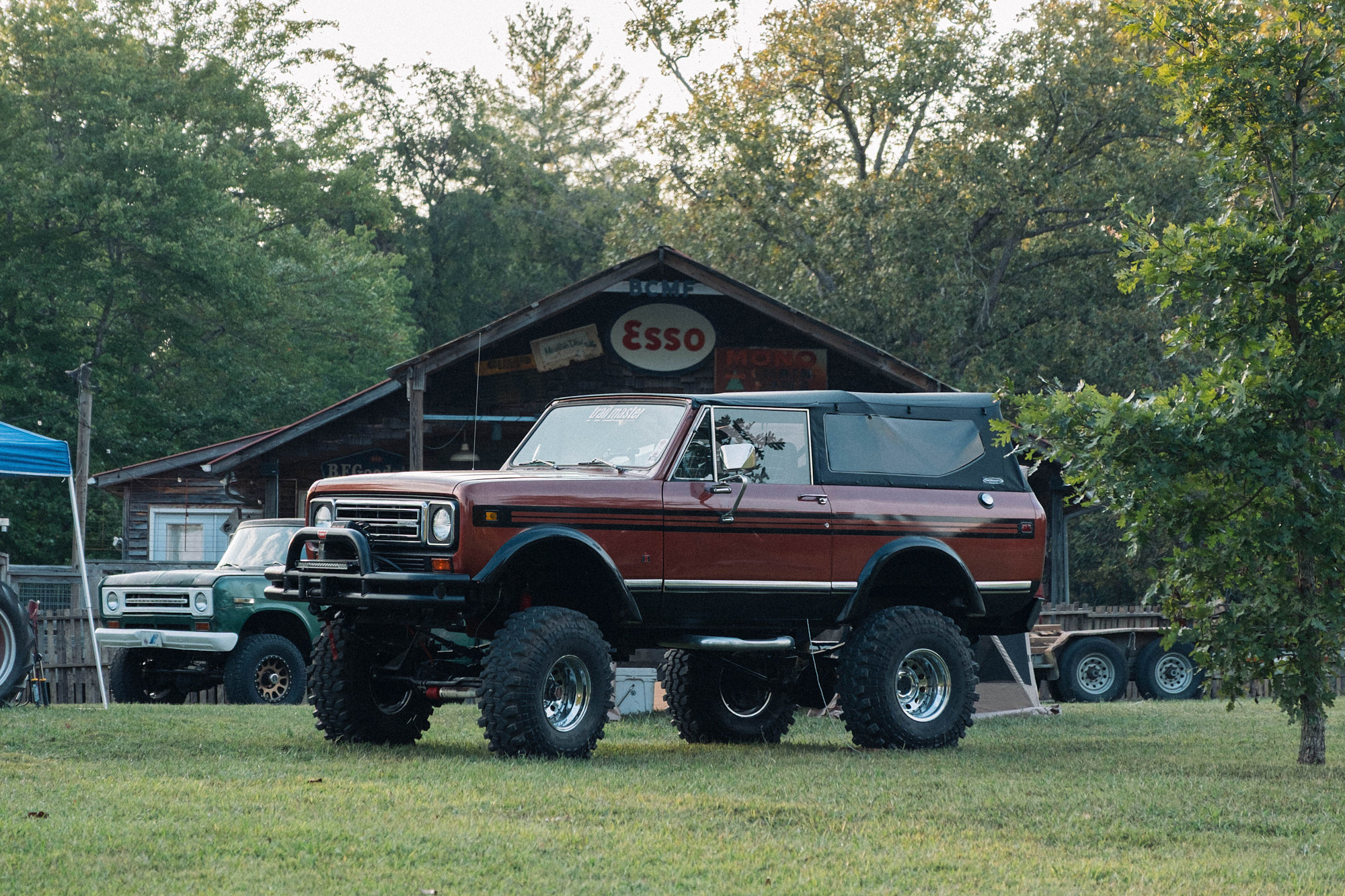
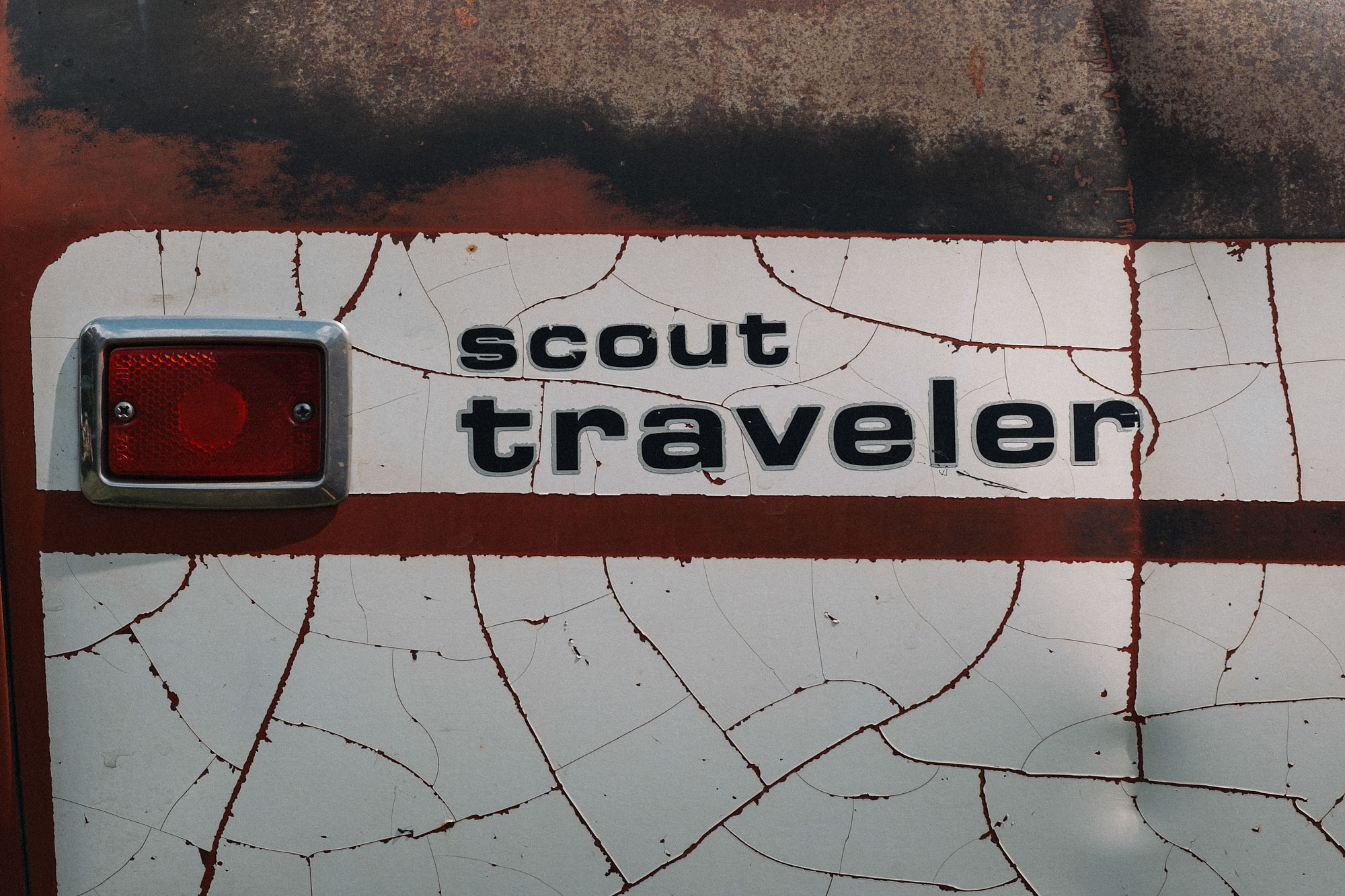
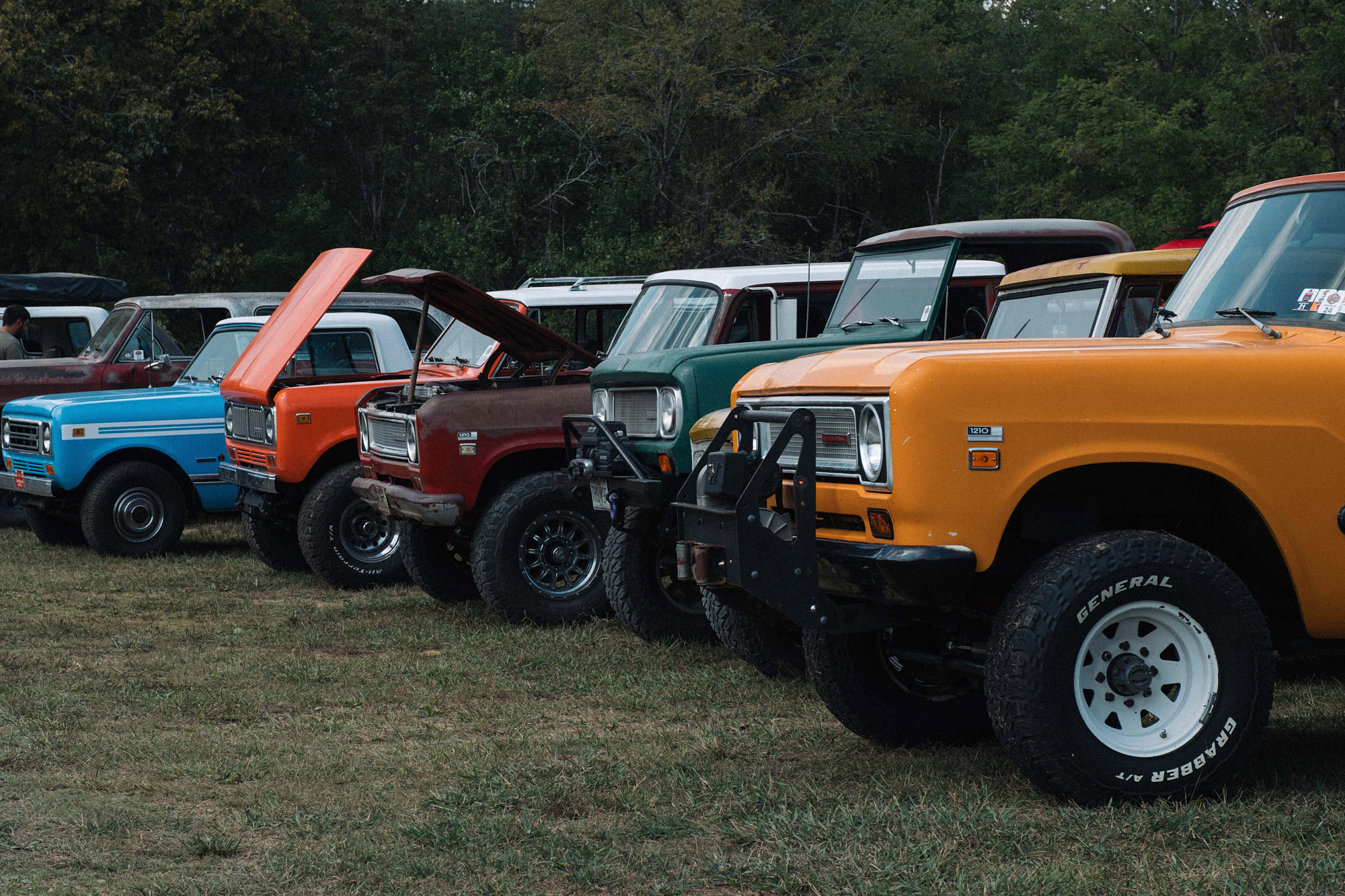
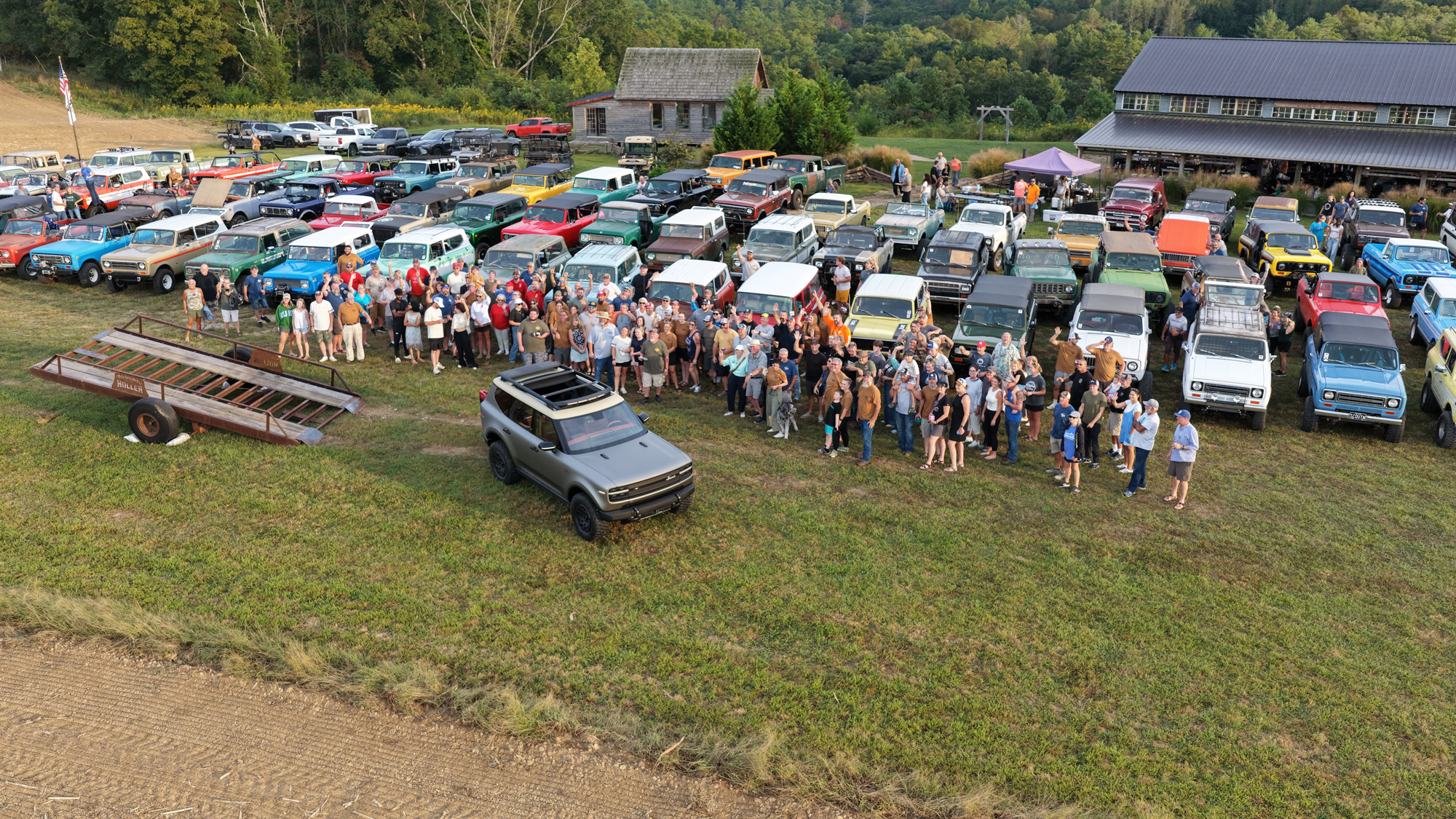
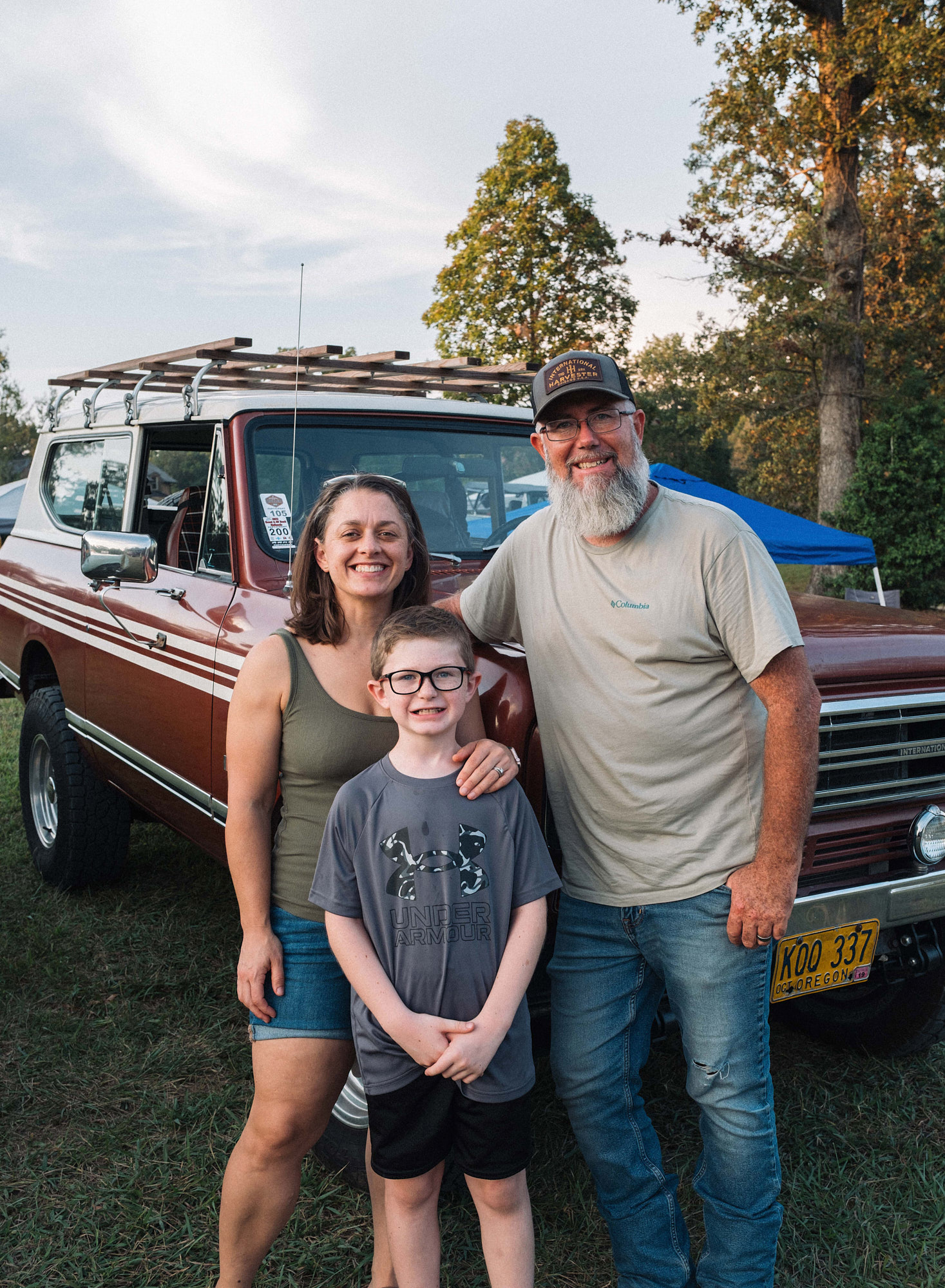
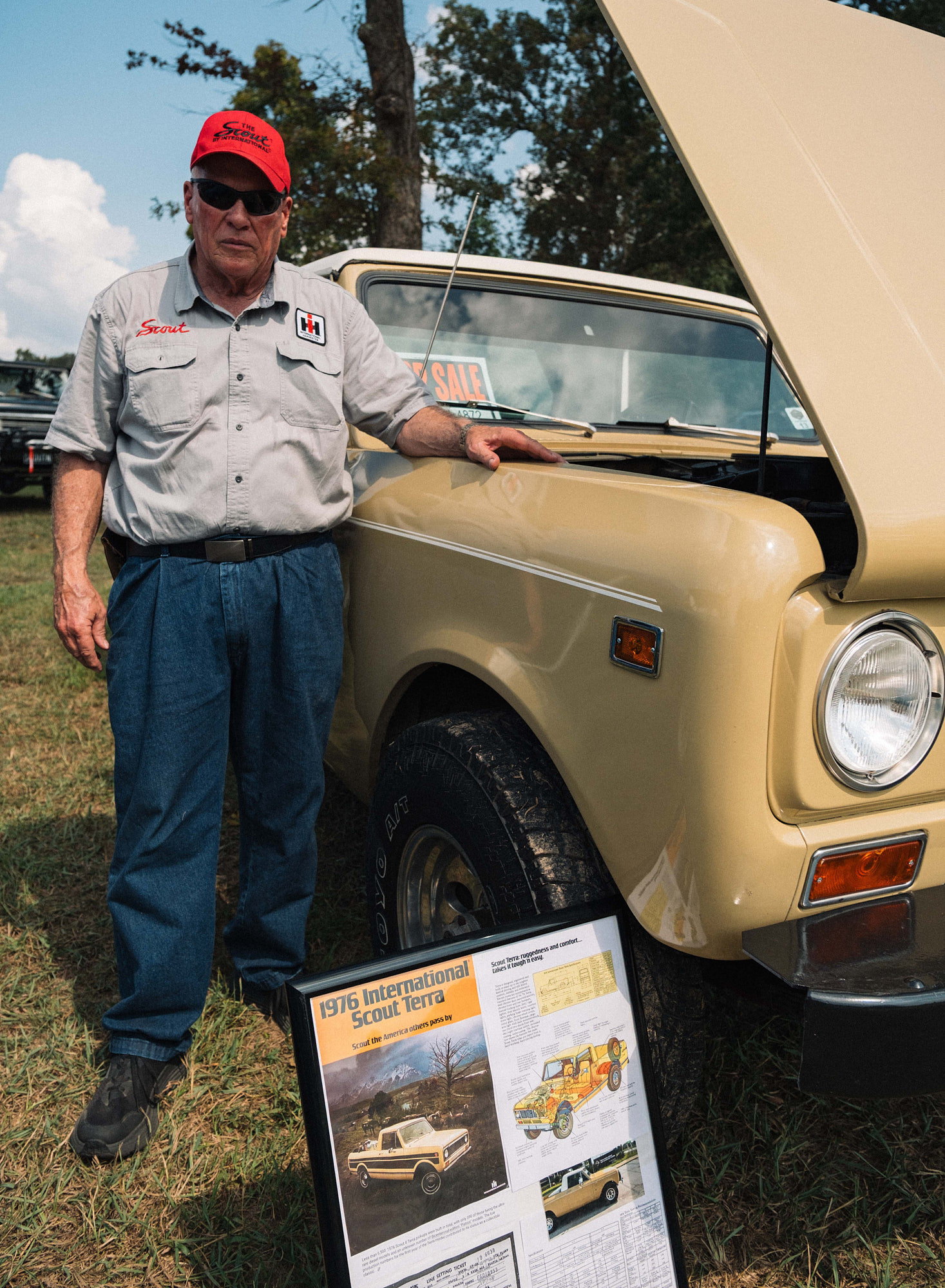
Throughout the weekend, the event drew a few hundred attendees and roughly 150 vehicles, rolling down the gravel roads beneath Oaklawn Farms’ old oak trees. Scanning through the field revealed almost every vintage Scout vehicle model, including the Scout 80™, Scout 800™, Scout II, Terra, Traveler, pickup, and Travelall, in nearly every color and condition imaginable. There were polished restorations, one-owner trucks, rock crawlers, family heirlooms, a few daily drivers, a couple rust buckets, and nearly everything else imaginable. Some had “for sale” signs, some had photo albums spanning decades of memories made with their Scout rig.
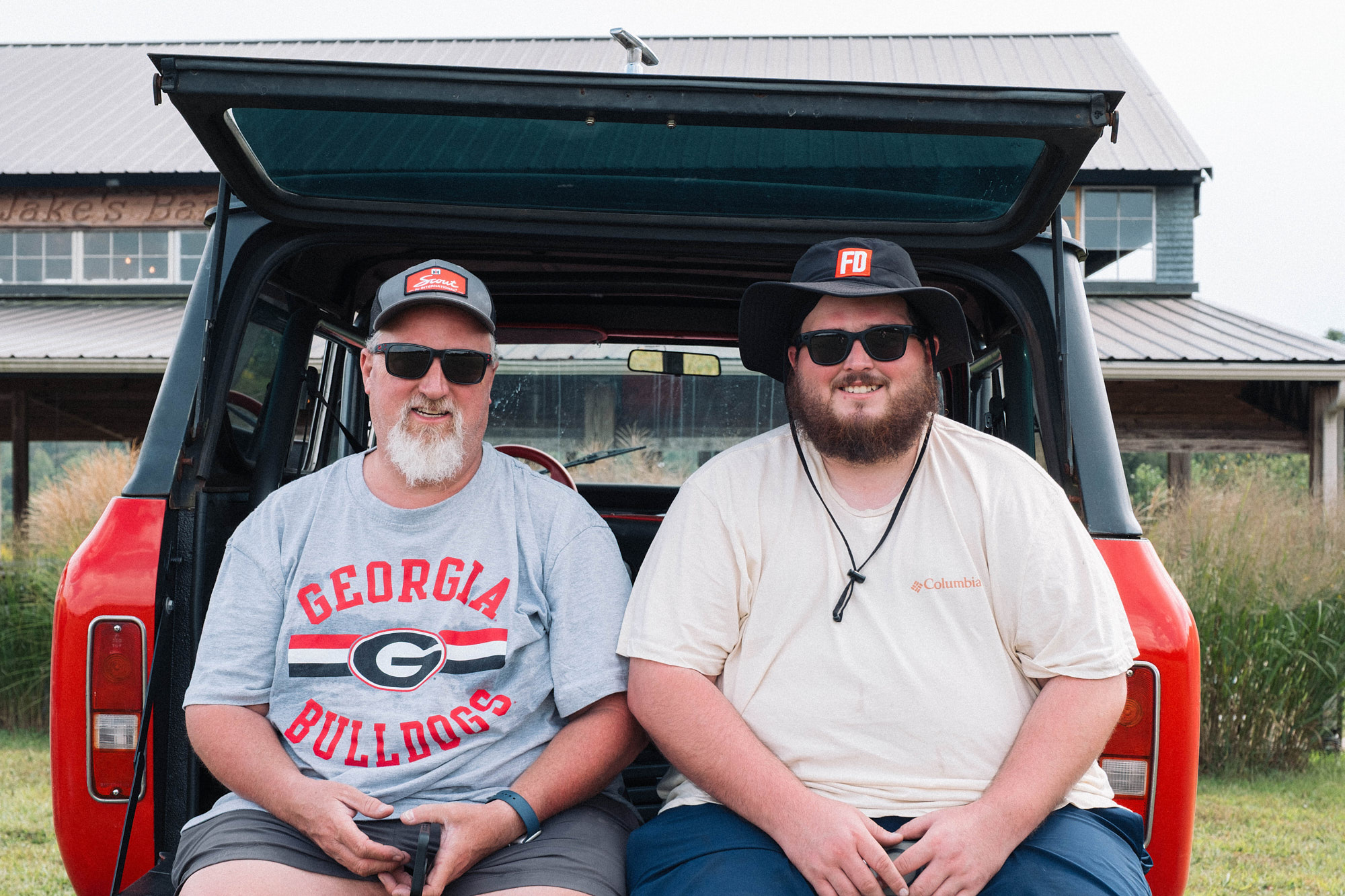
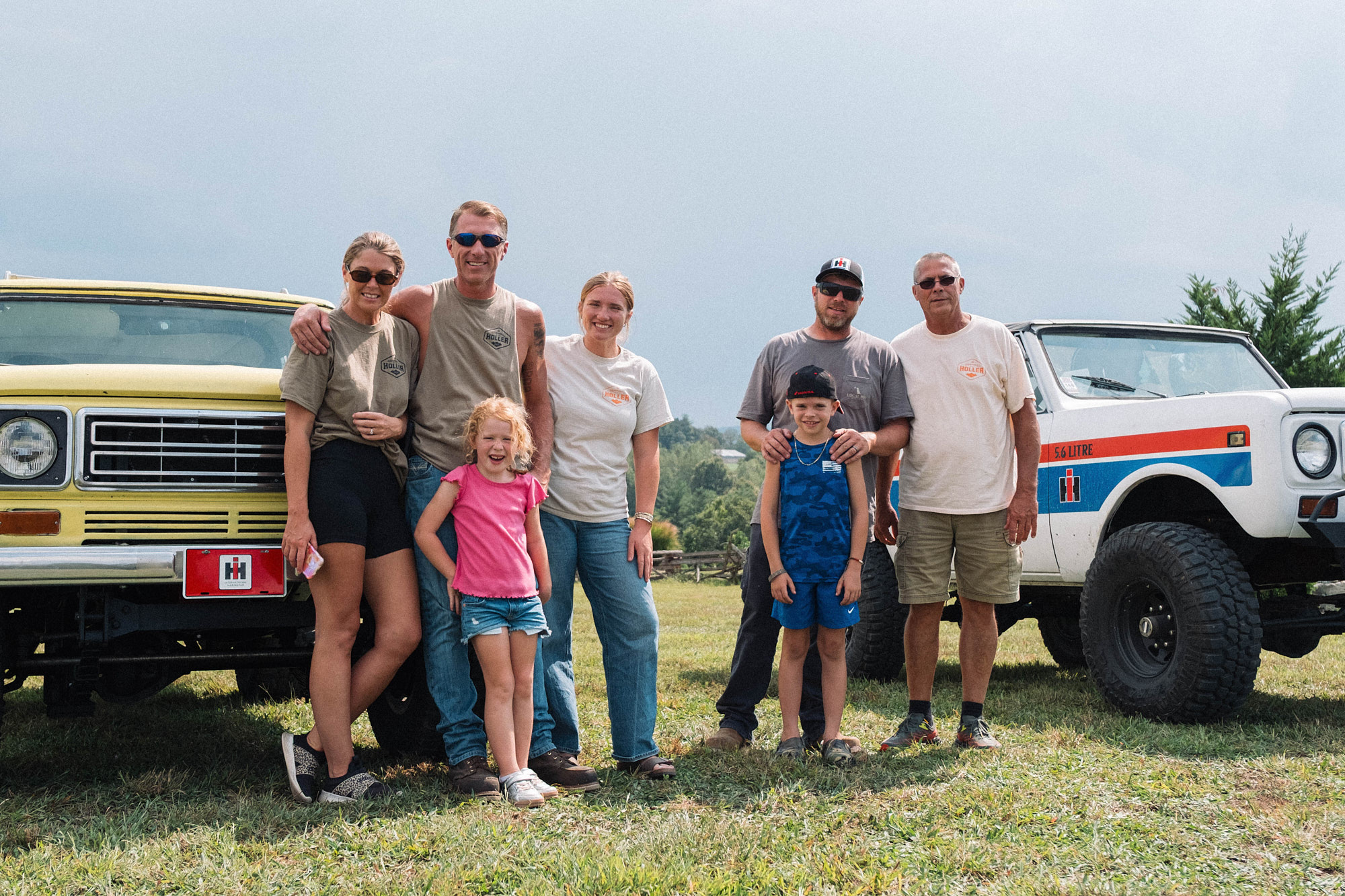
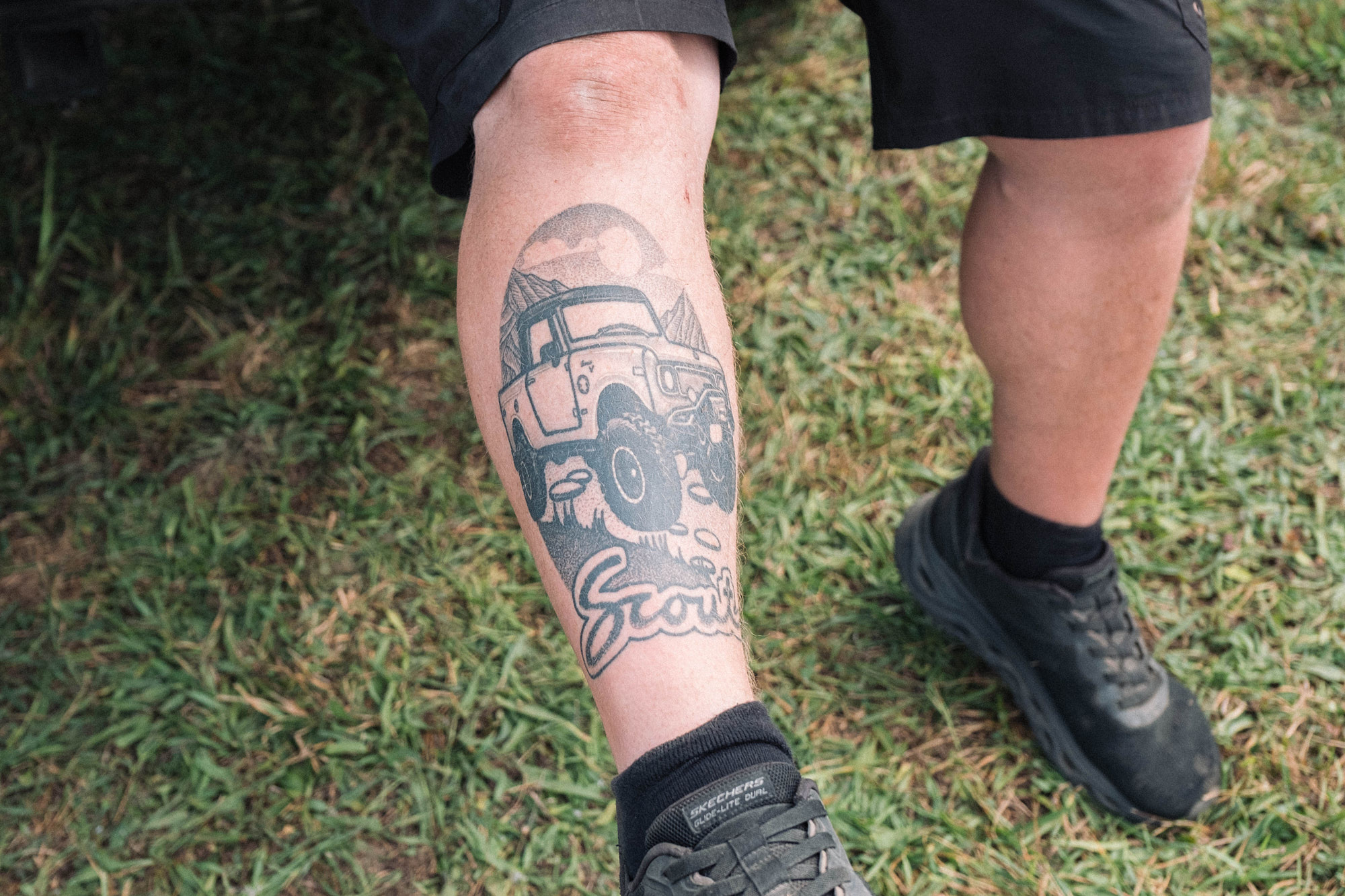
Every vehicle there had a different history, but nearly all of them shared similar values of family, nostalgia, and the people who helped keep the trucks moving.
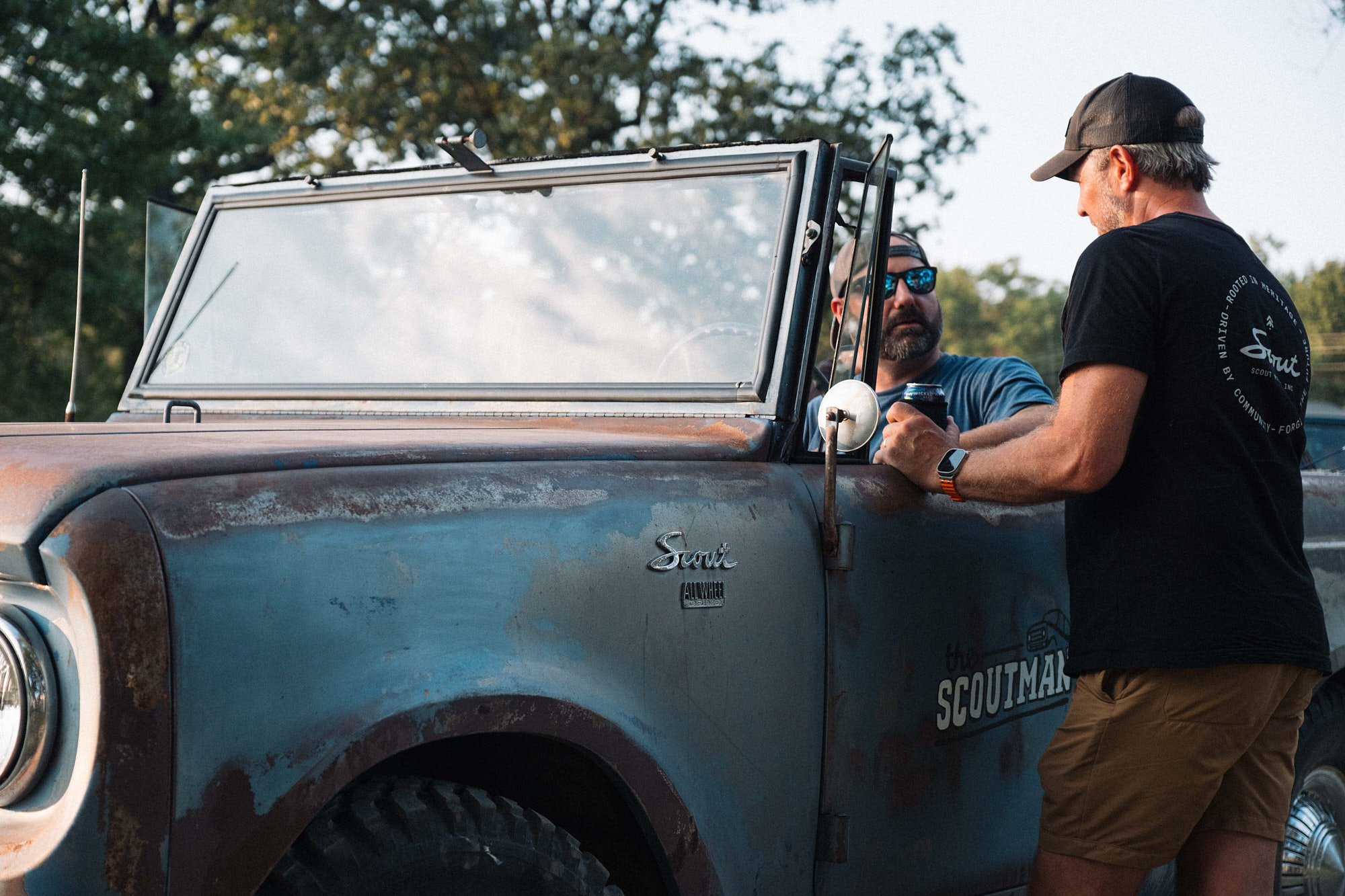
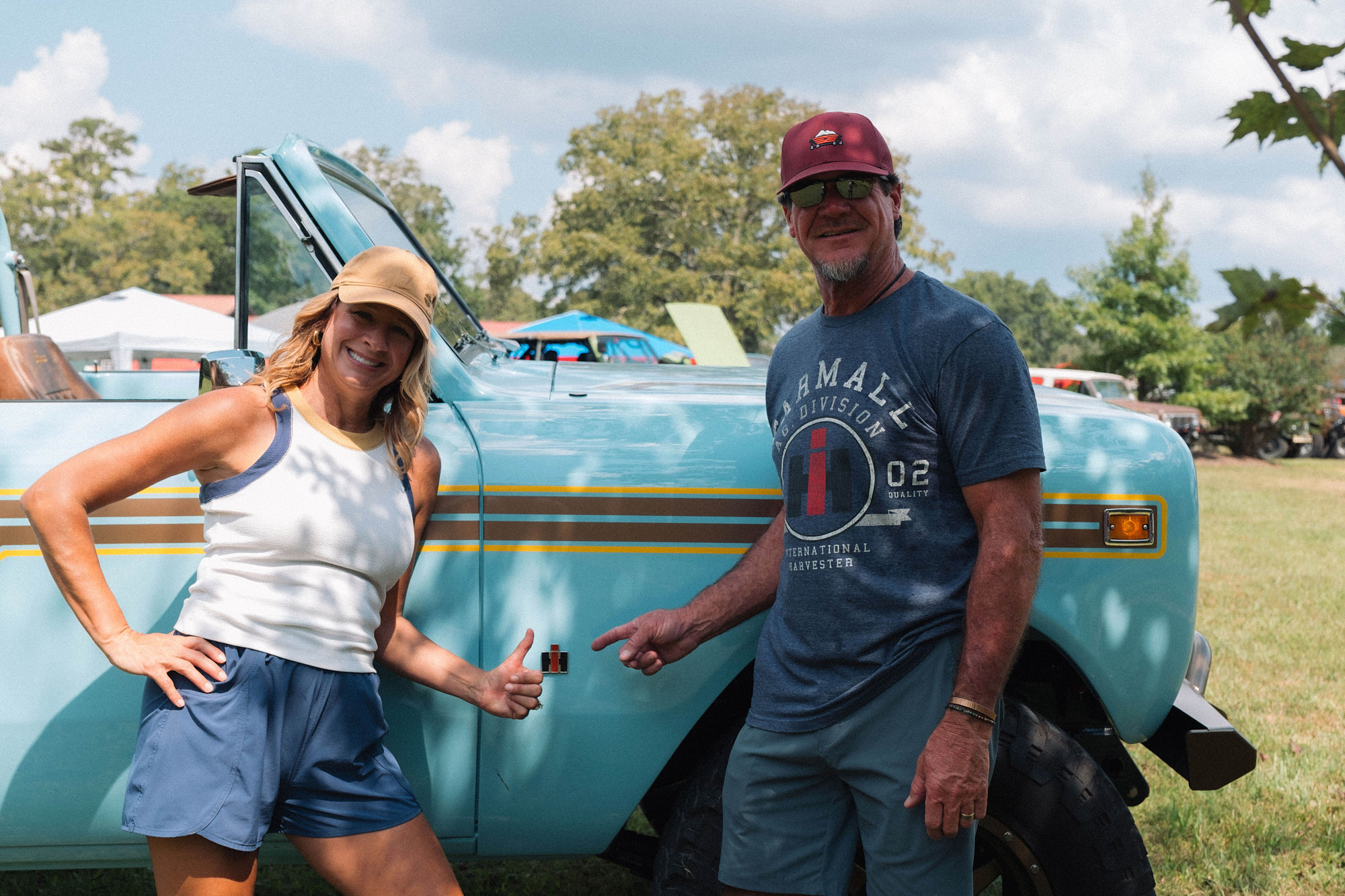
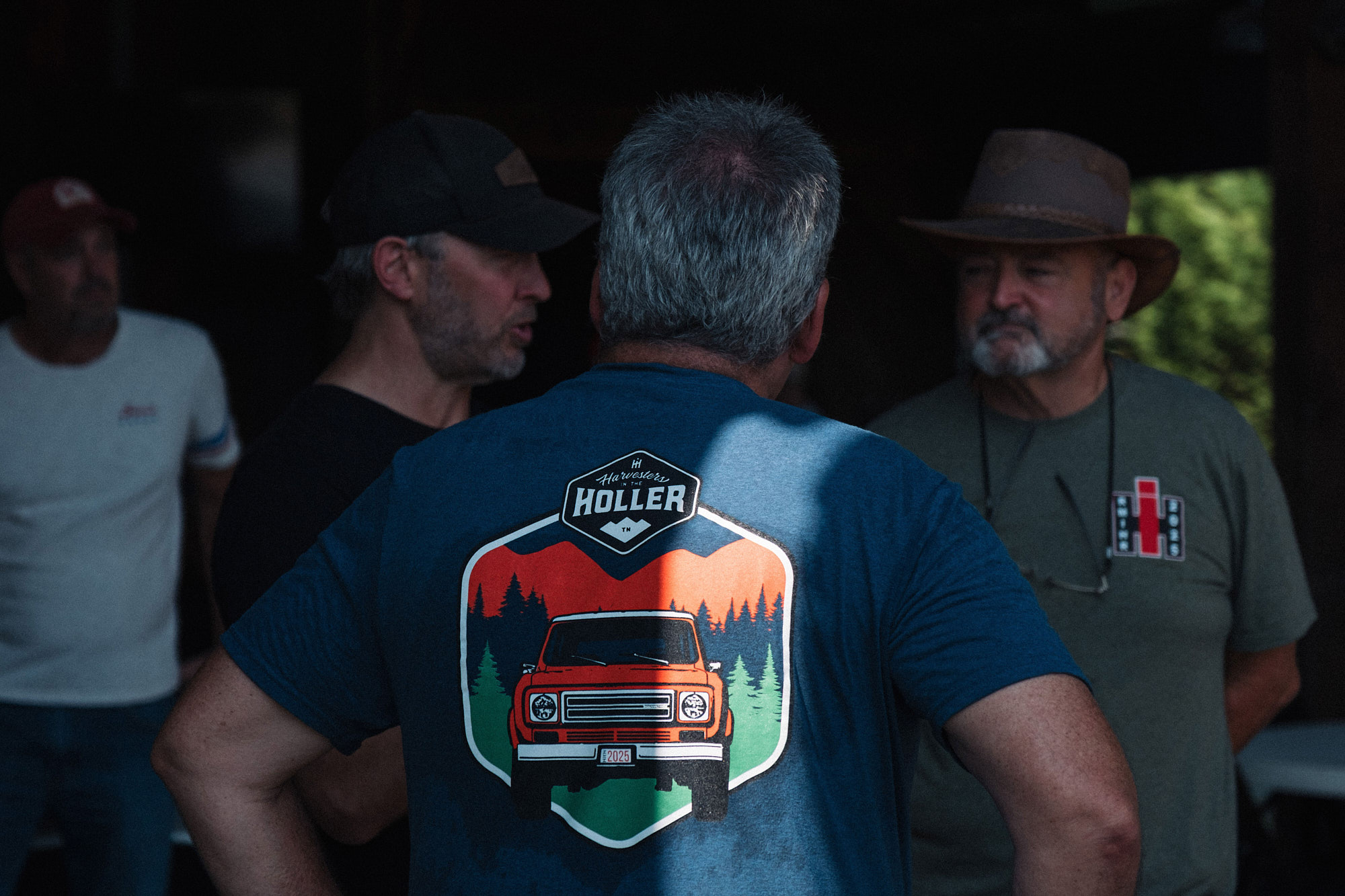
The farm becomes a neighborhood of makeshift front porches with camp chairs beneath pop-up tents, the smell of coffee, and chatter of stories over the morning dew. People wander from site to site, stopping to study an open hood and trade advice, or put a face to the name from the forums. Old friends lean against fenders and resume conversations that pick up every year.
We joined the Holler this year, and we didn’t come empty-handed.
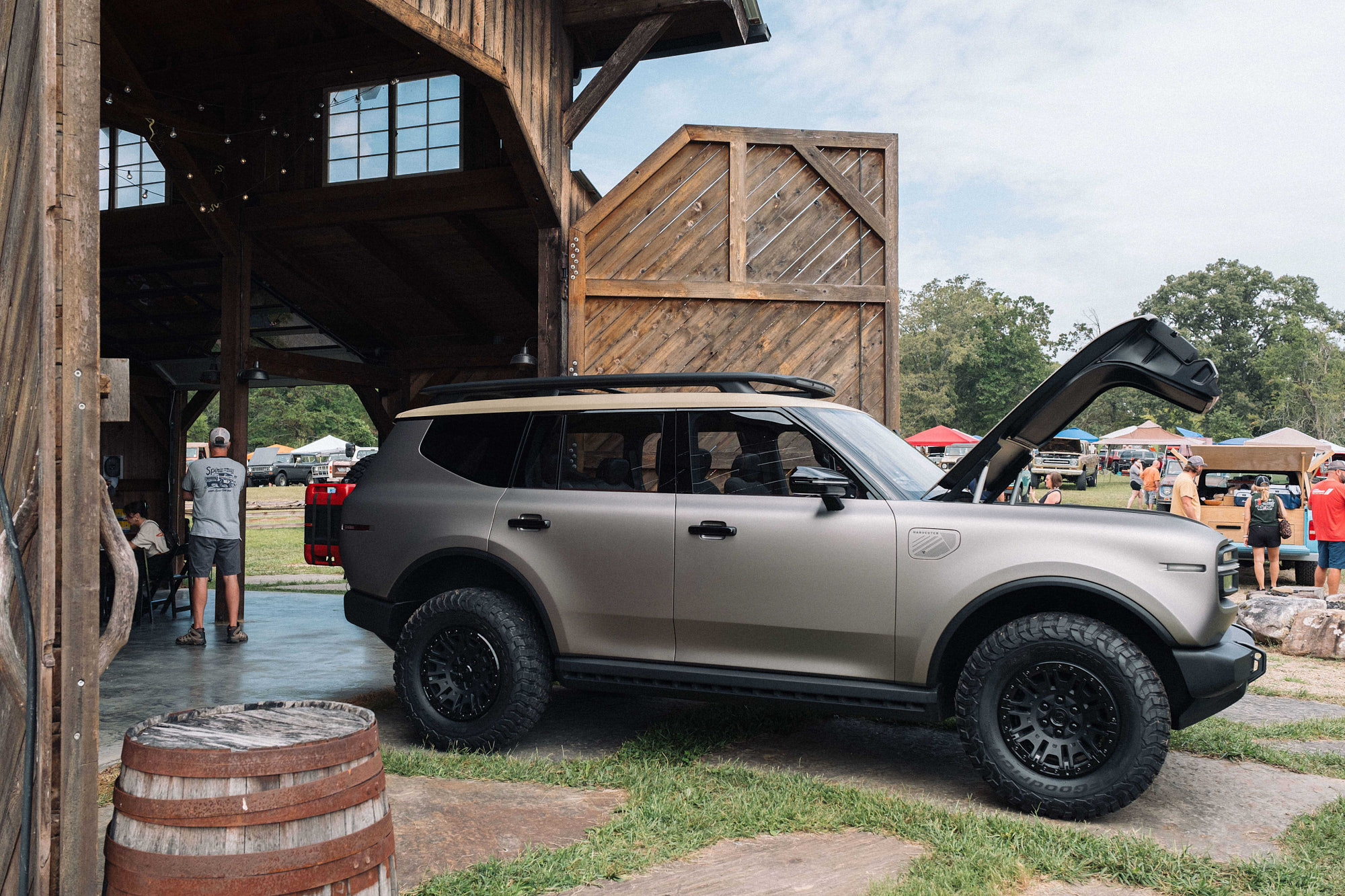
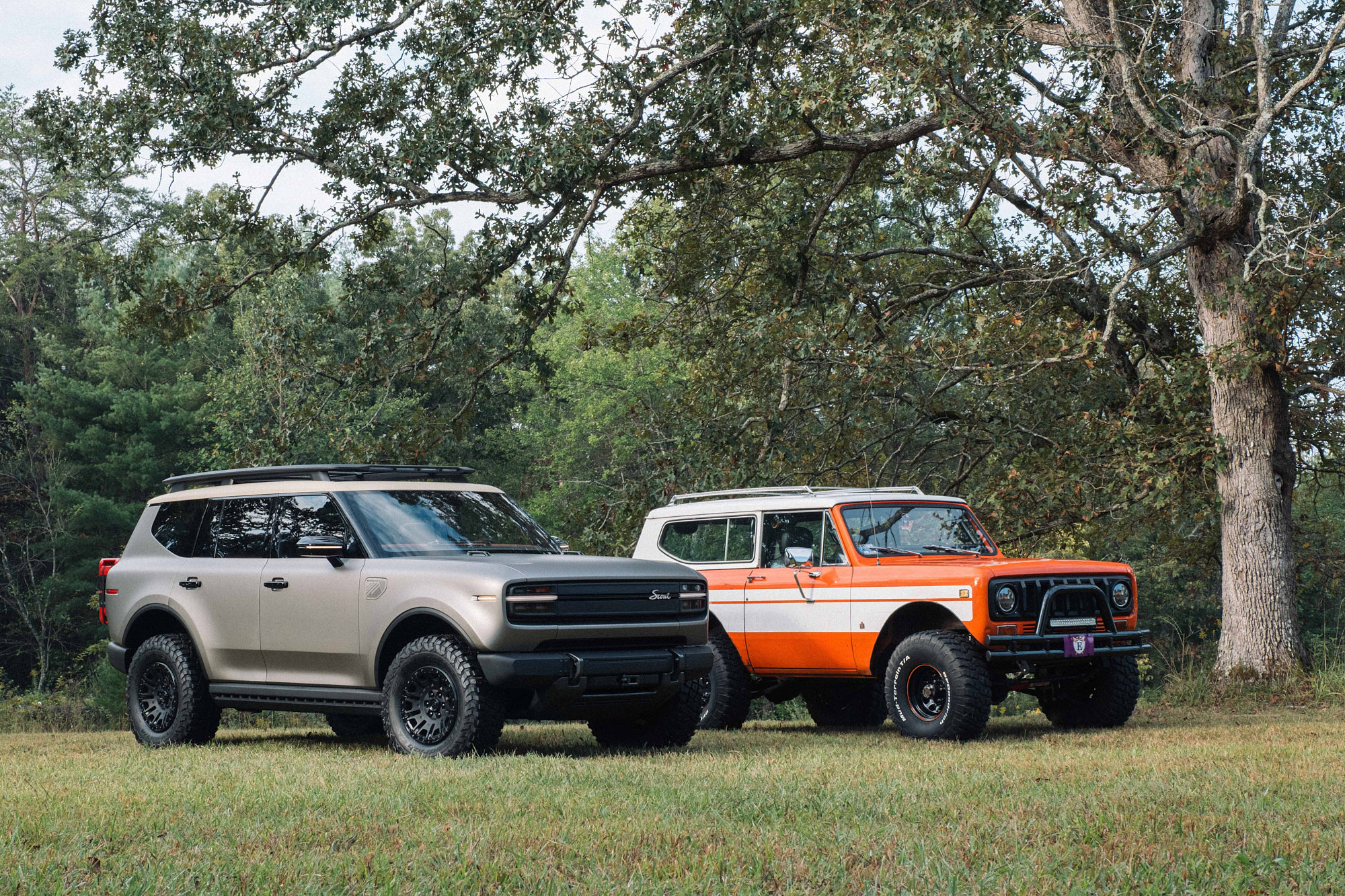
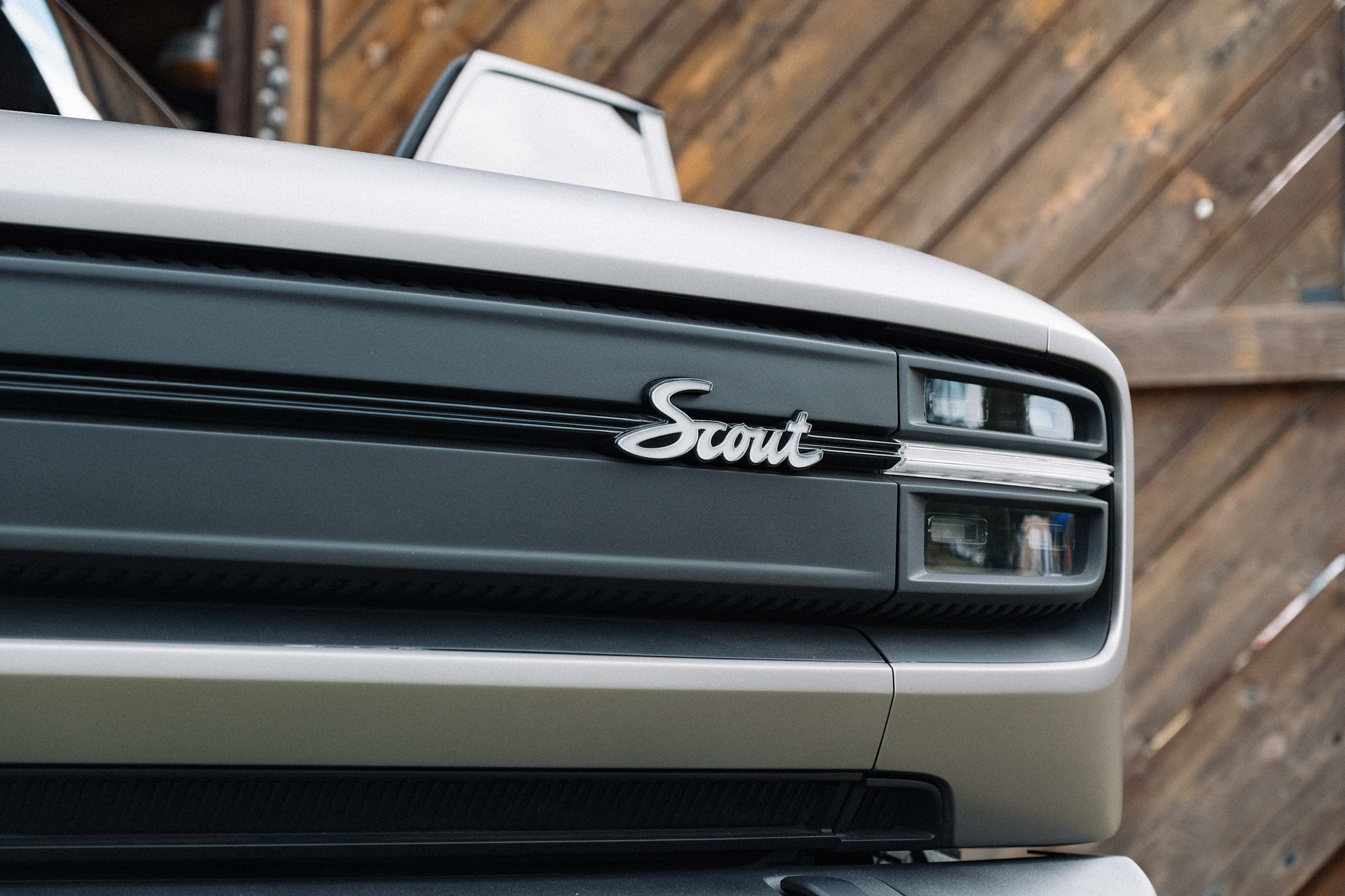
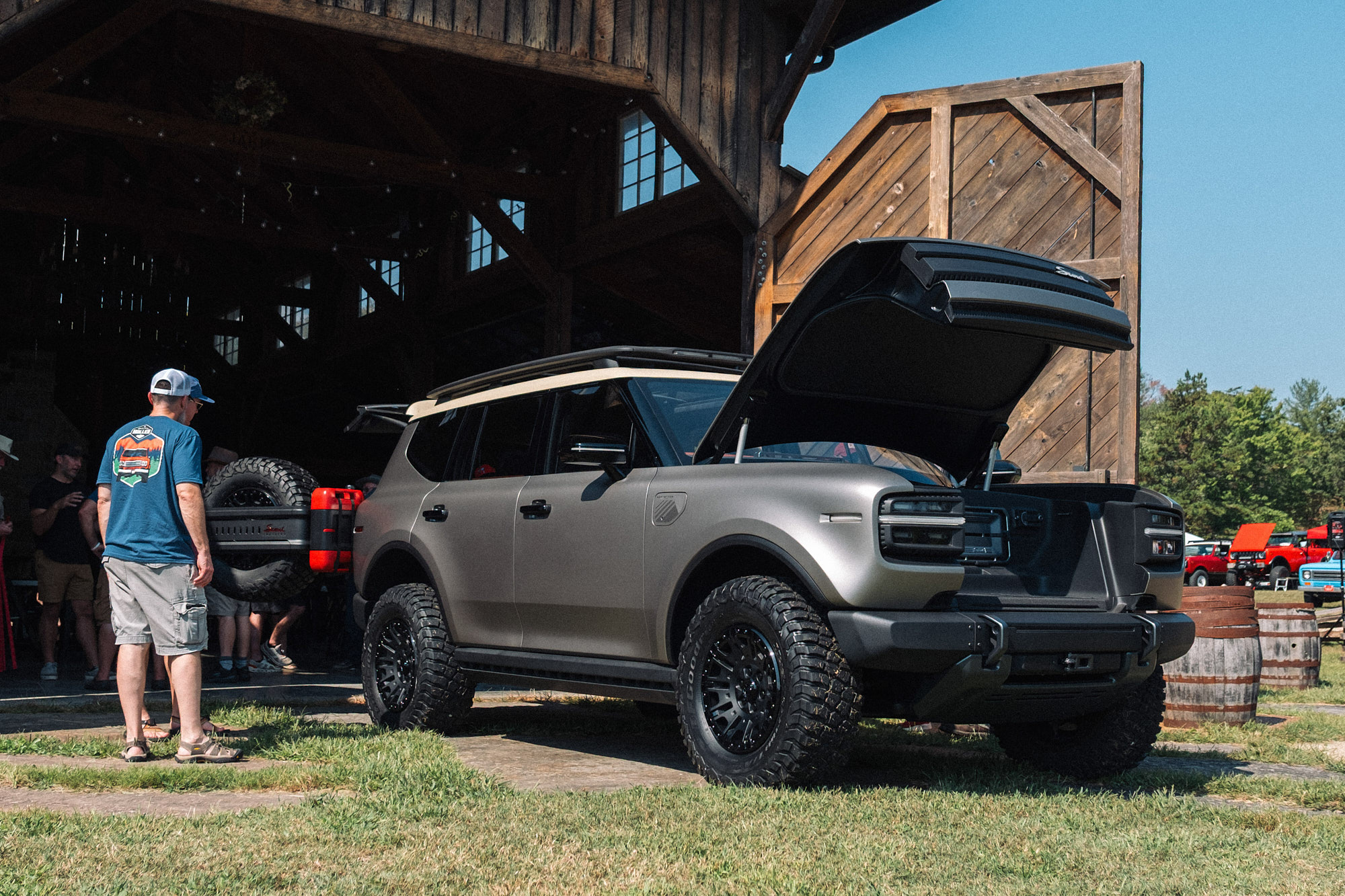
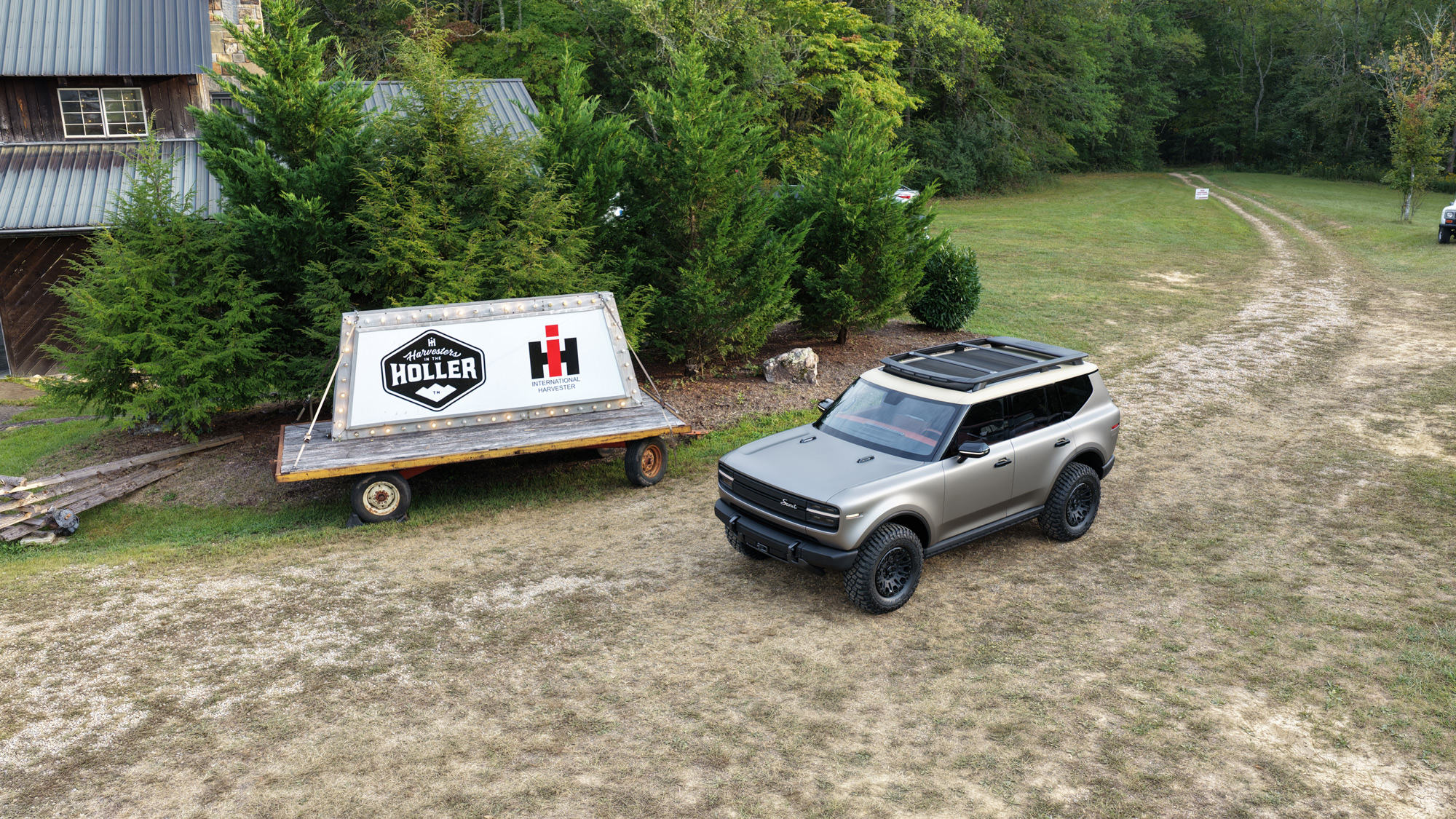
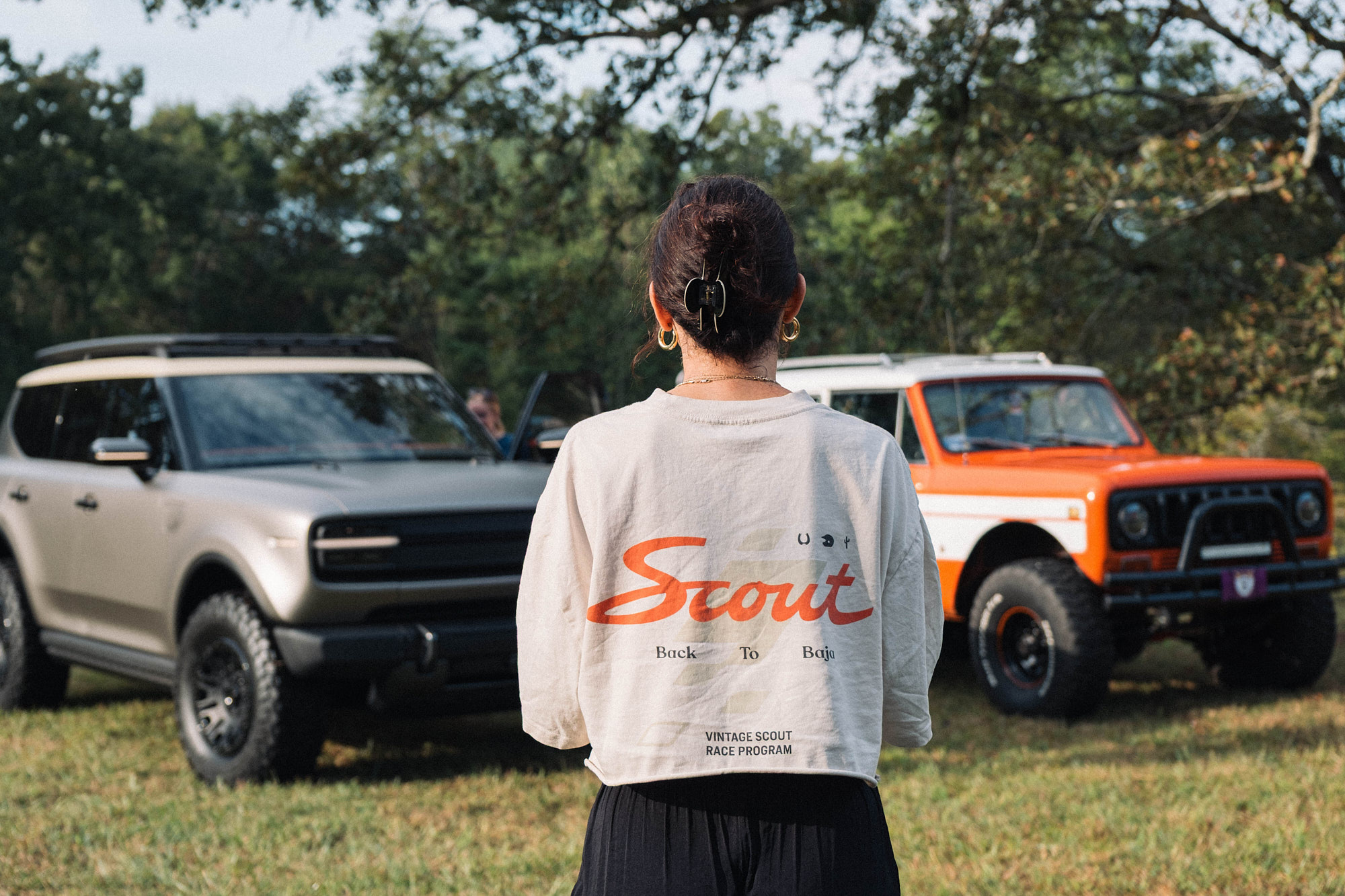
Parked among the rows of vintage IH™ iron was our latest Traveler concept, finished in Galvanized Steel with the roof in a contrasting color we call Canvas and outfitted with 35-inch tires, 18-inch beadlock wheels, concept bumpers and winch, a roof rack, and a rear spare-tire carrier.
Reservation holders came specifically to see it in person, while vintage Scout vehicle owners studied its details and asked questions. Everyone posed beside the Traveler concept, capturing photos and videos to share online, bragging about seeing it firsthand.
It’s not about the old giving way to the new, and this weekend was the perfect example of “making room at the table.” Some of the heritage Scout rigs on the grounds have appeared in Scout Motors films and photographs beside the new vehicles, helping continue the story.
Long before that, they appeared in family albums. People proposed in them, honeymooned in them, brought babies home in them and taught those children to drive in them. They used them on farms, traplines and school runs. When the trucks changed hands, the stories went with them.
Harvesters in the Holler has been the place where those stories gather.
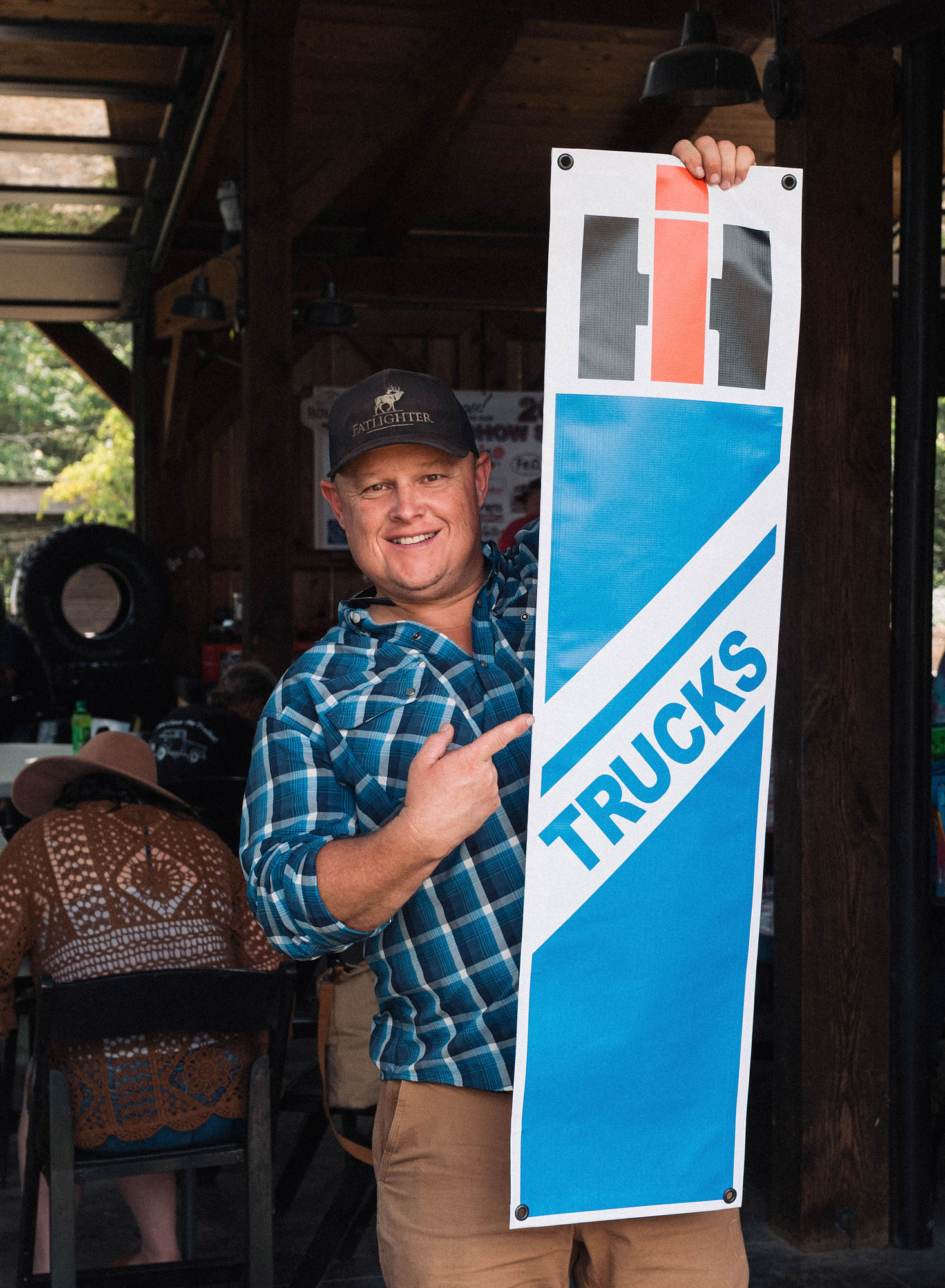
Mike Moore and Levi Archambault started the event in 2019 as IH Trucks & Trails. After the third gathering in 2021, they renamed it Harvesters in the Holler. That makes 2026 the fifth Holler under its present name and the eighth gathering in an unbroken lineage. But who’s counting?
The magic is that it has grown without losing the feel of something close-knit and grassroots. There were 32 trucks in 2020, just over 50 the following year and 94 after that. By 2024, 128 trucks and nearly 300 people were on the farm. In 2025, the count reached 147 registered IH vehicles and about 400 attendees. And this year saw even more.
“We don’t really focus too much on the show-and-shine of it,” Levi said. “It’s more about just the fellowship.” Again—it’s the people.
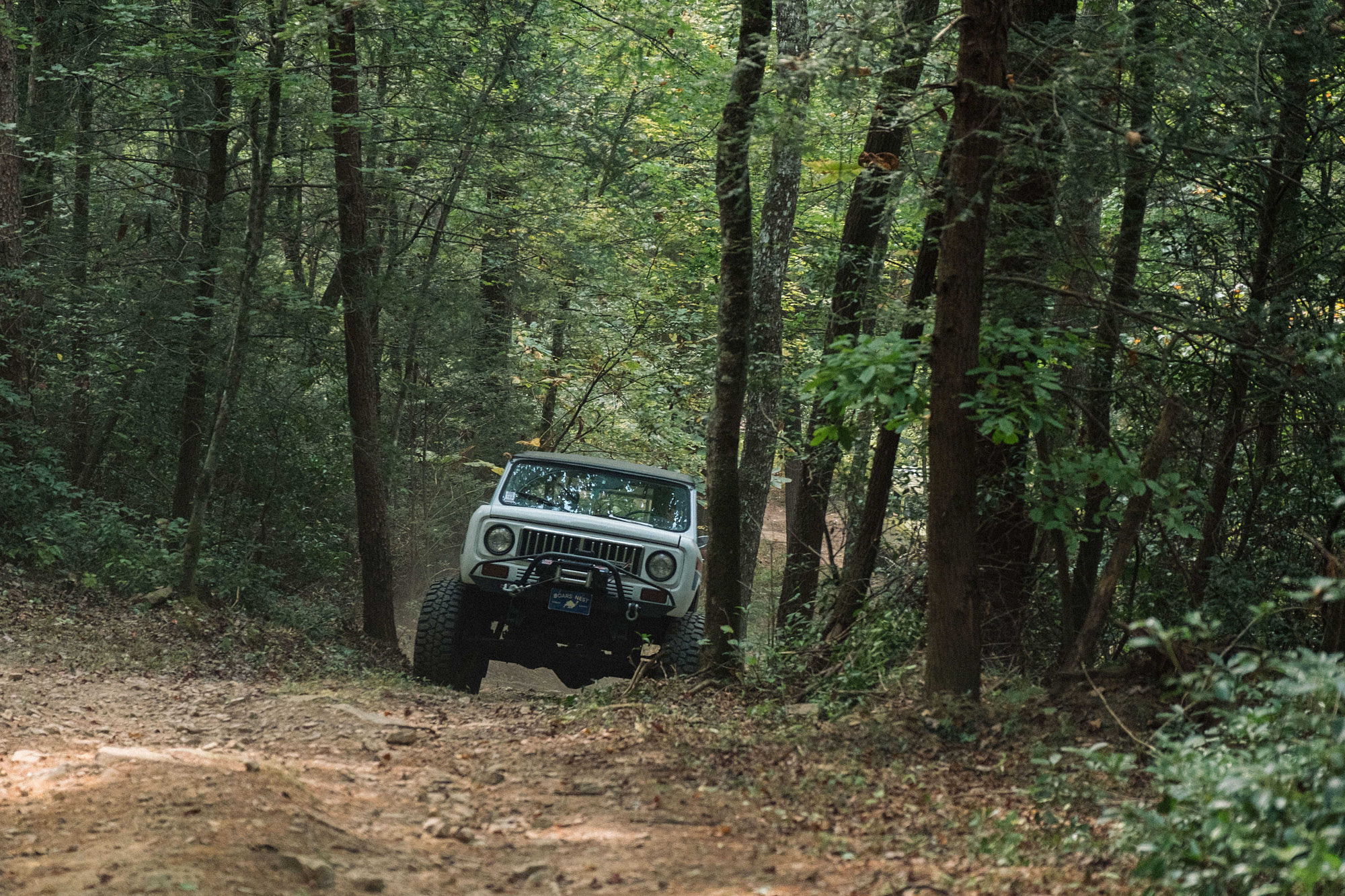
“We use ’em here” was a sentiment repeated by Scout vehicle owners throughout the weekend. For many, the chance to put their trucks on the trails is the event’s biggest draw—and what sets Harvesters in the Holler apart from other vintage IH gatherings. Between the scavenger hunt through Crossville, the trail rides, and—of course—the teeter-totter, the weekend’s activities keep the trucks moving and doing what they were built to do.
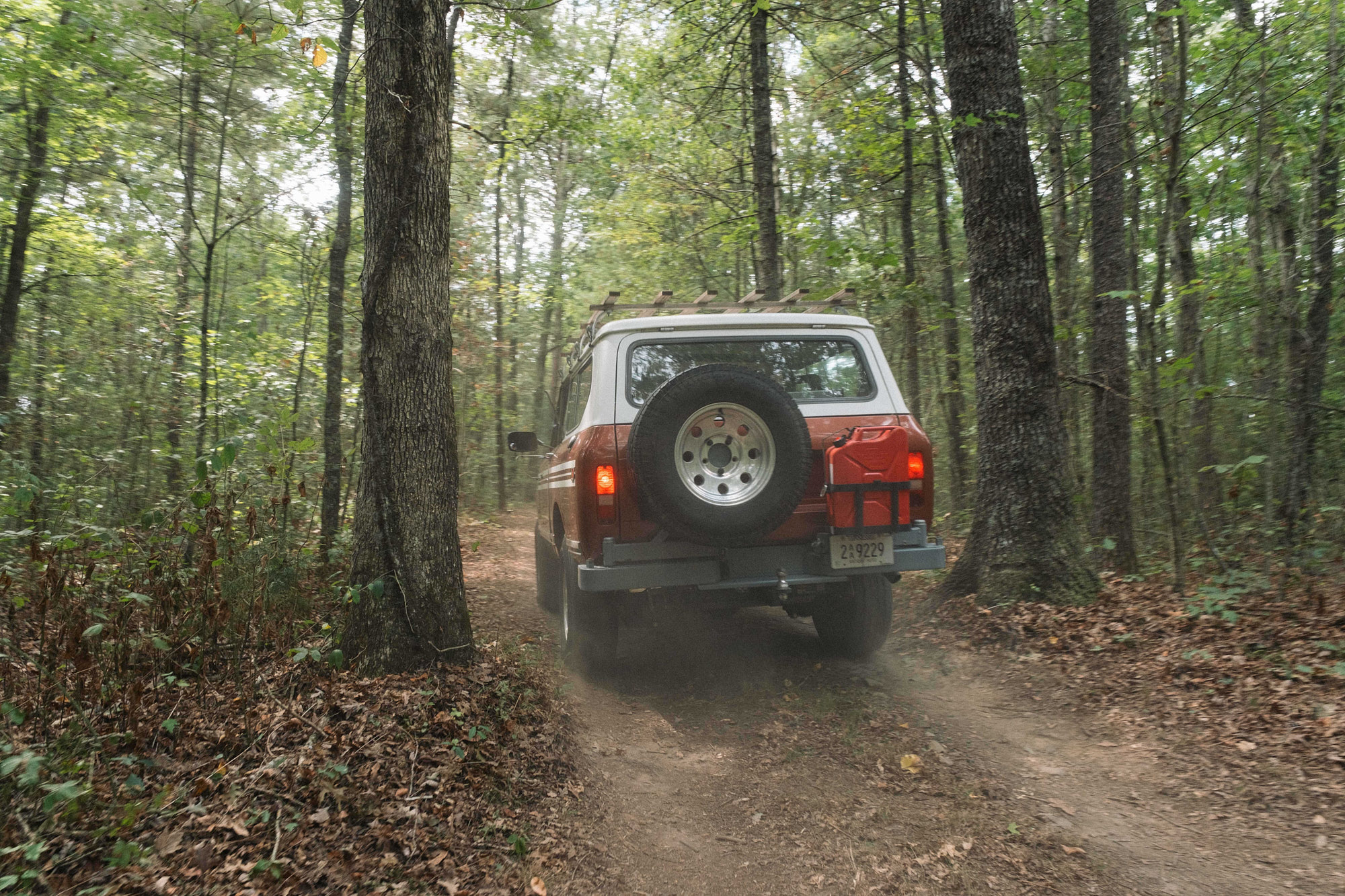
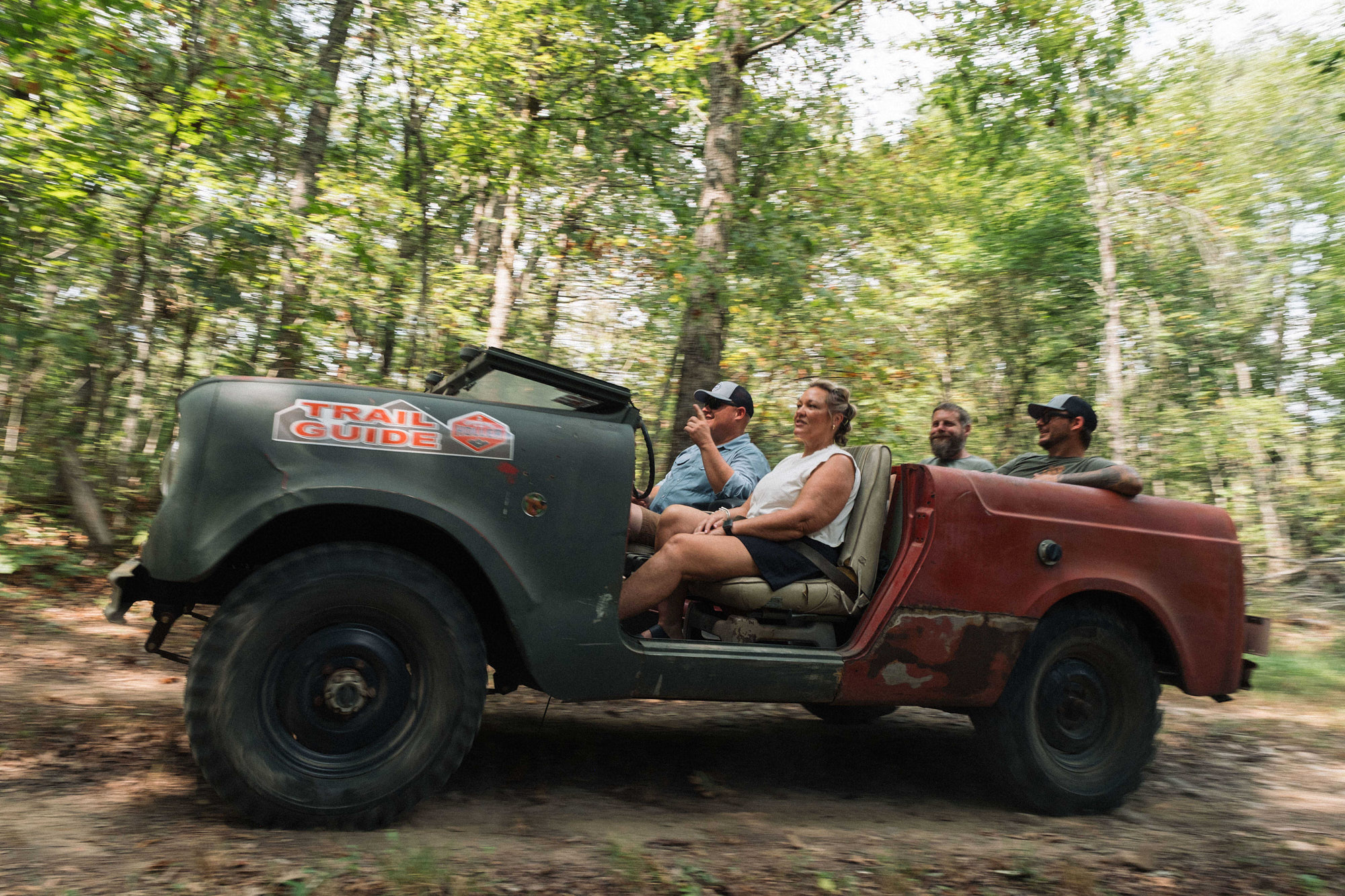
Mitch Hulsey leads the way into the woods, and the Scout trucks follow in a long, dusty line. The property gives them a little of everything, from rocks and running water to shaded two-tracks and steep climbs. Birdsong disappears beneath the idle of old V-8s. Engines climb through the trees, their sound arriving before the trucks do. Dust hangs in the shafts of afternoon light. Clean Scout trucks enter the woods. Some come back with their first-ever scratch.
Chris and Hunter Mercer have been in attendance with their Scout rig, photographing the gathering year after year. “This is the only time I take mine off-road,” Chris admitted. “But I do it here every year.”
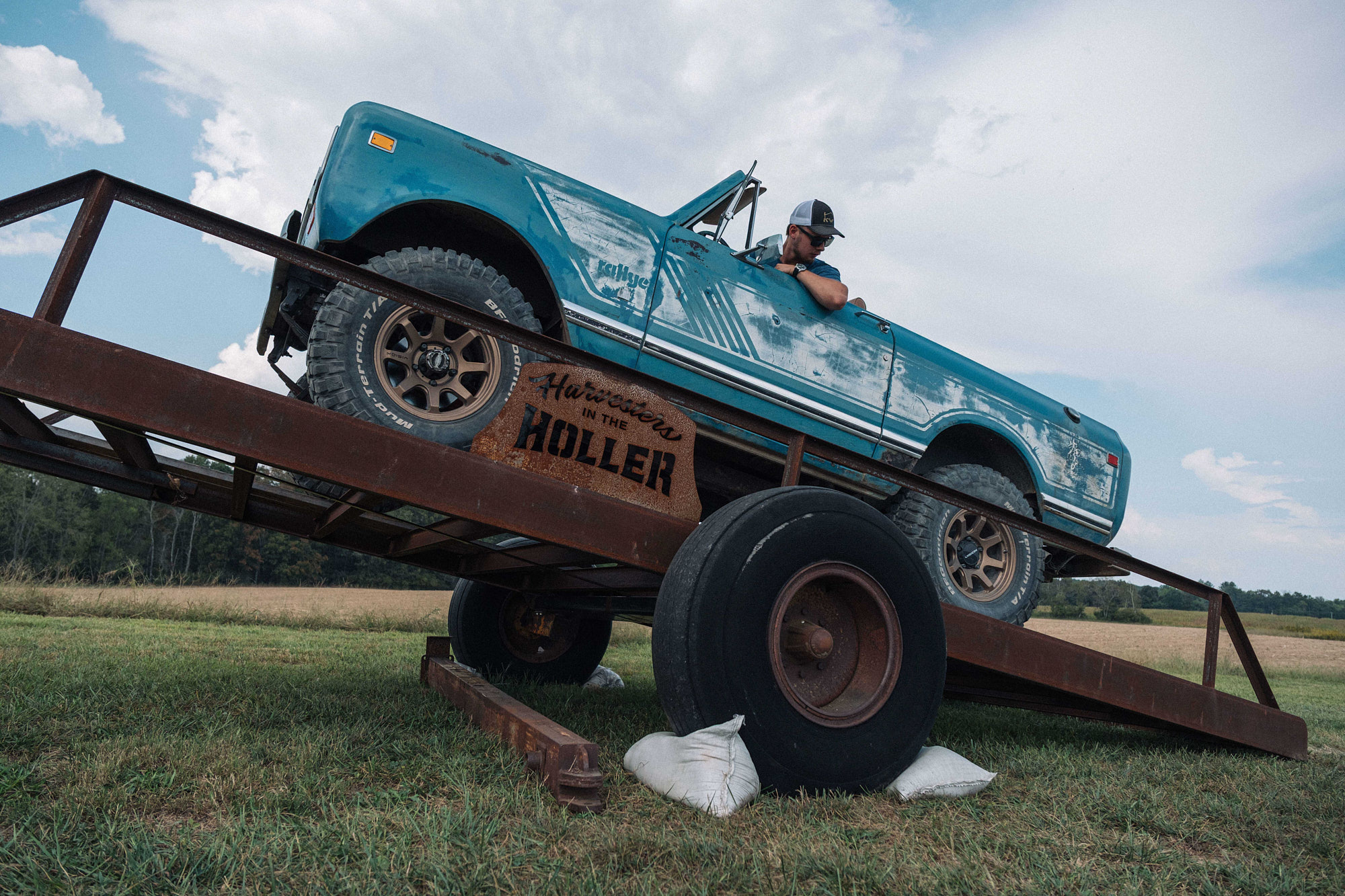
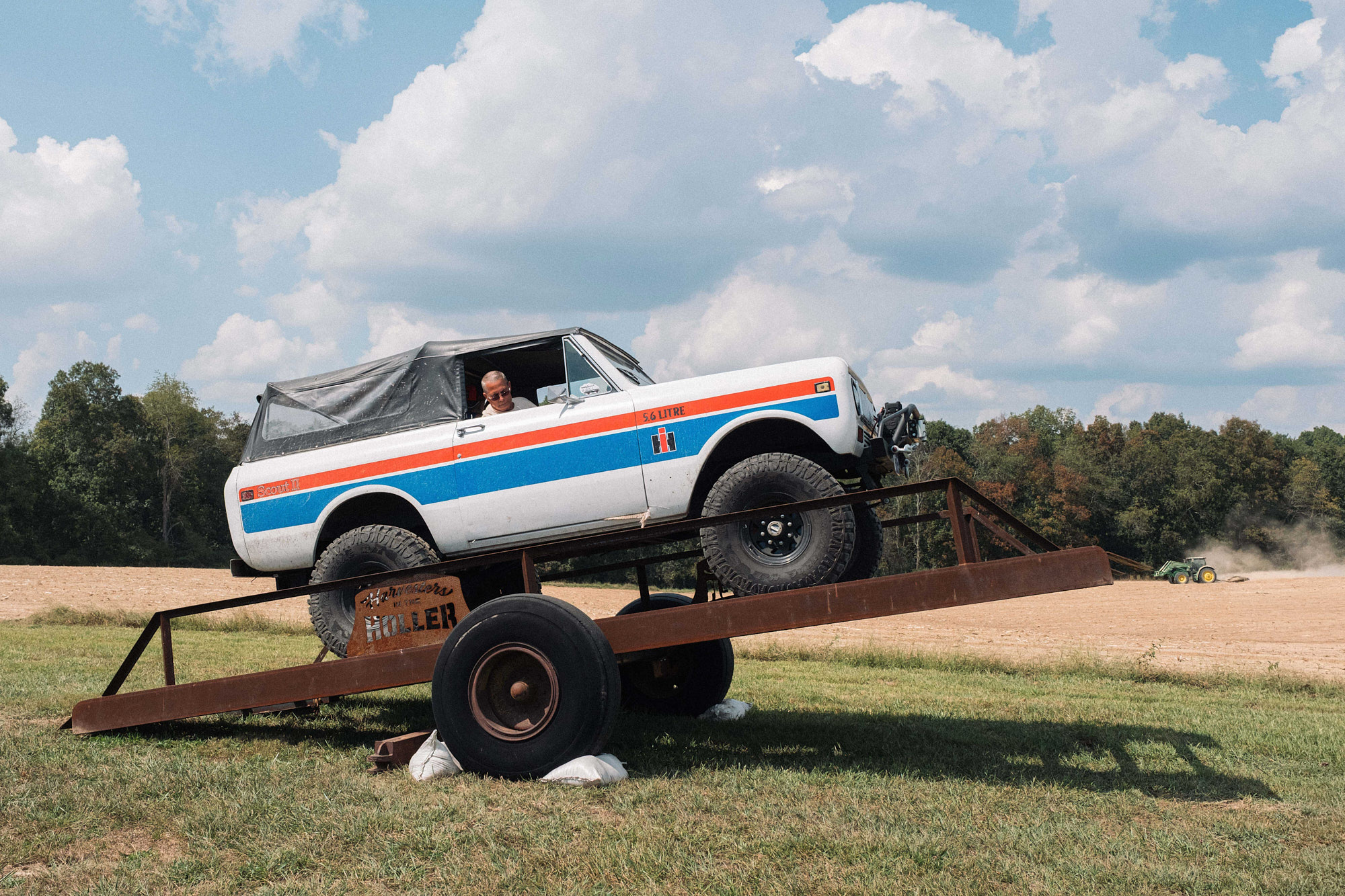
Then there’s the teeter-totter. The larger than life see-saw asks drivers to ease their Scout truck onto a steel balance beam and hold it level for as long as they can. Drivers with manual transmissions face the added challenge of tap dancing while trying not to roll an inch too far. Friends in the crowd yell out advice, most of it contradictory, as trucks crash to the ground and roll off.
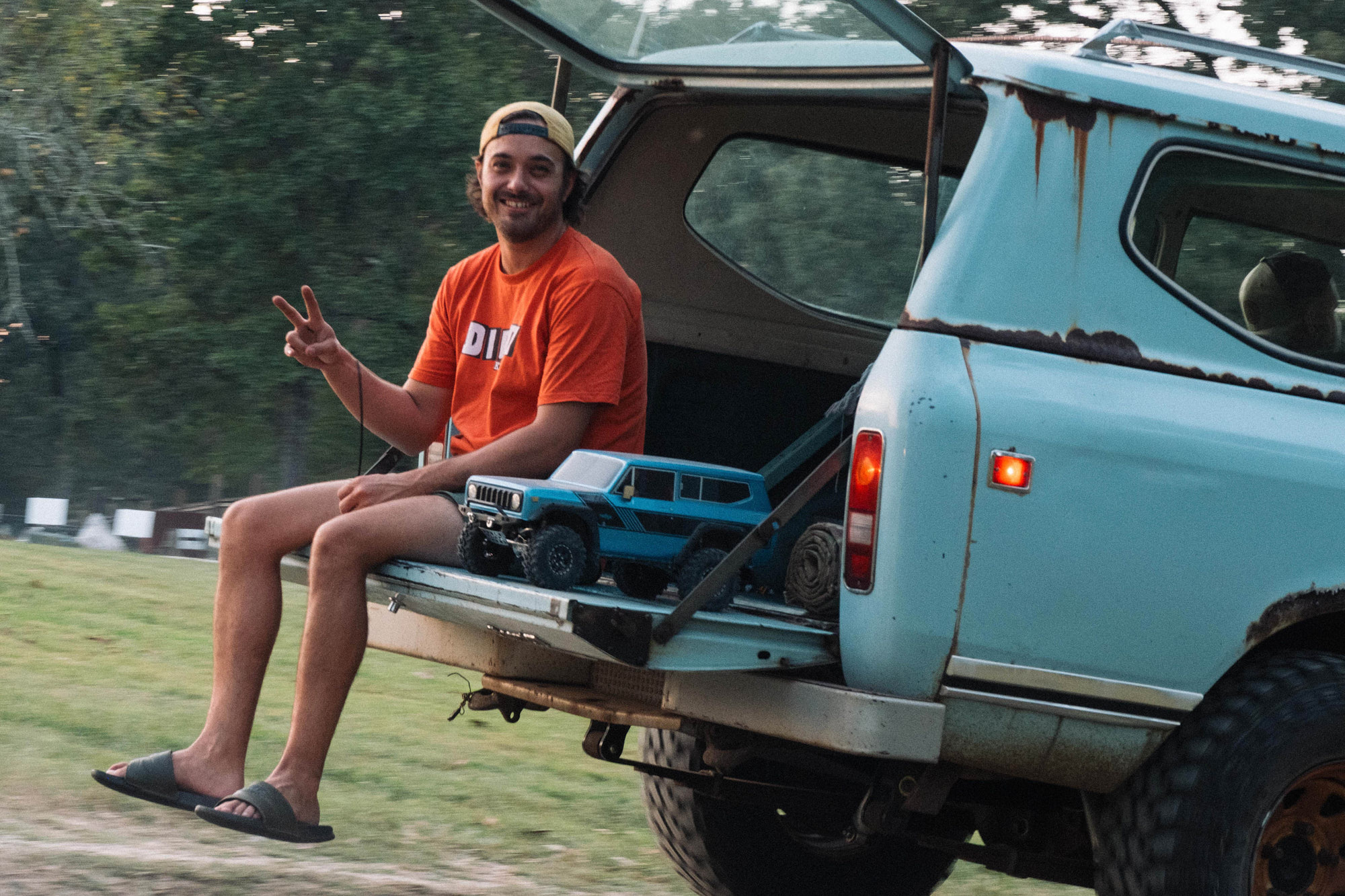
On the other side of the field, the same drama plays out, just on a smaller scale. Radio-controlled Scout vehicles crawl over a miniature off-road course, a well curated collection of rocks, logs, and piles of dirt. Kids drive them, adults too—it was actually hard to tell who was having more fun. Some even have RC trucks paint matched to their full-size toy parked a few yards away, down to the stripes.
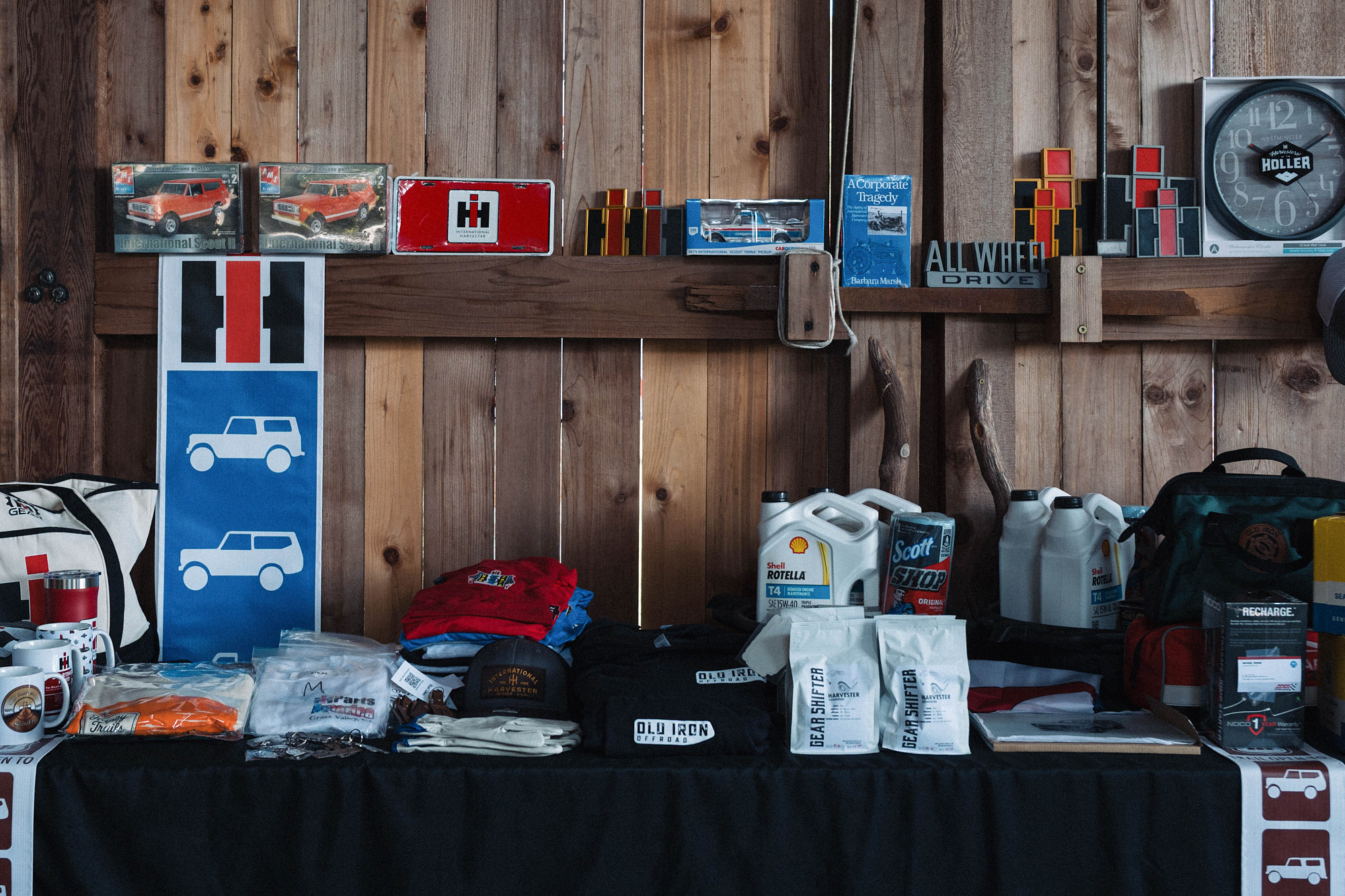
Throughout the day raffle numbers are called over the loudspeaker—vendors and parts makers donate gear, tools, art, and other collectibles. Every year, an auction takes place with exciting items up for bid. Charity is another fundamental value of the event and money raised goes to a good cause. In 2025, the event sent $20,000 to Perry’s Posse, a local nonprofit that helps patients and families going through cancer treatment, and held roughly $7,000 in reserve for other community needs. This year, the same promise was made.
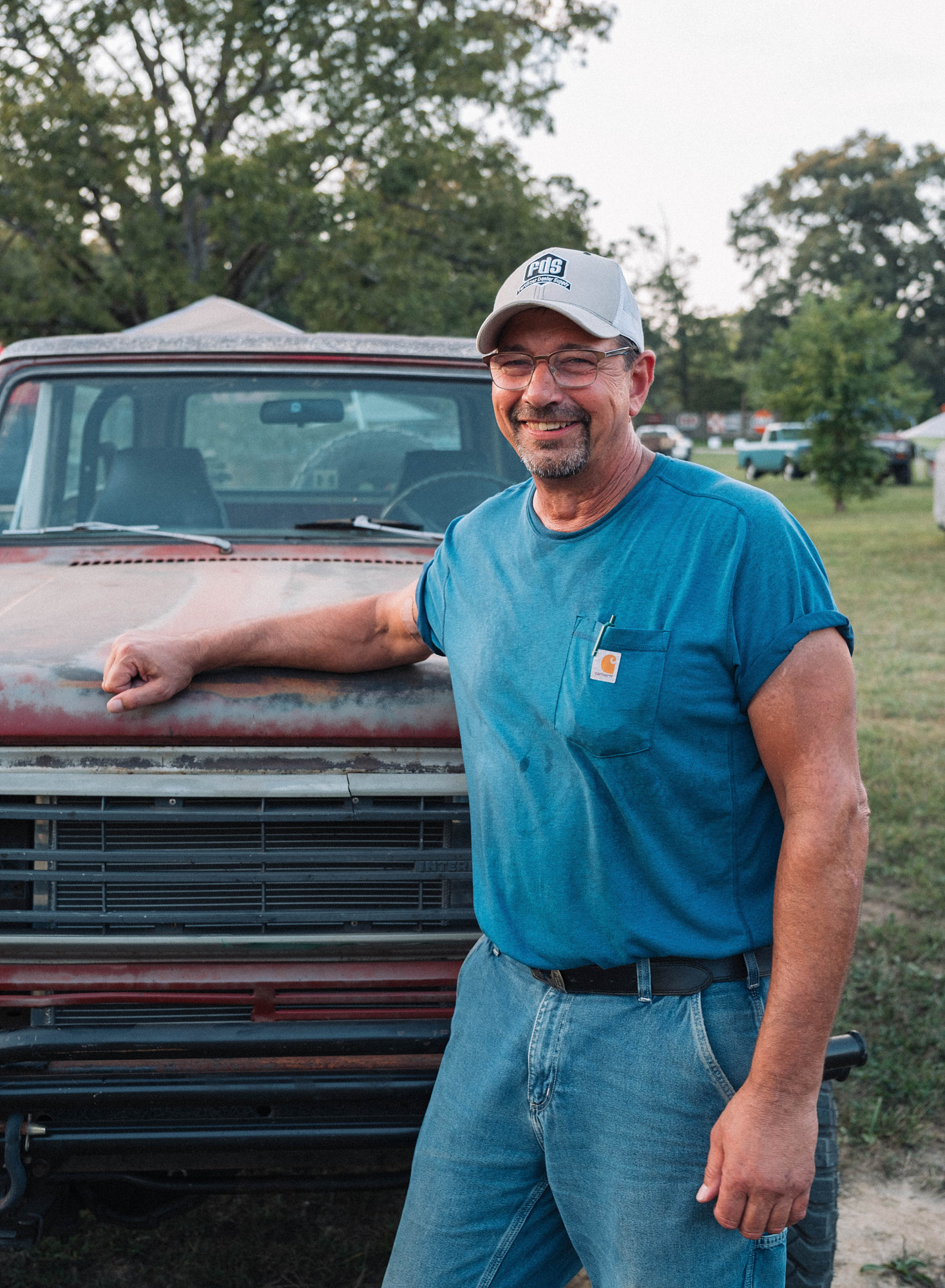
The paths into Scout vehicle ownership were as varied as the trucks were in the field. Some were first-timers, newly converted after driving a friend’s, though always secretly wanting one. “You can’t take it with you,” one said, “So might as well have fun while you’re here.”
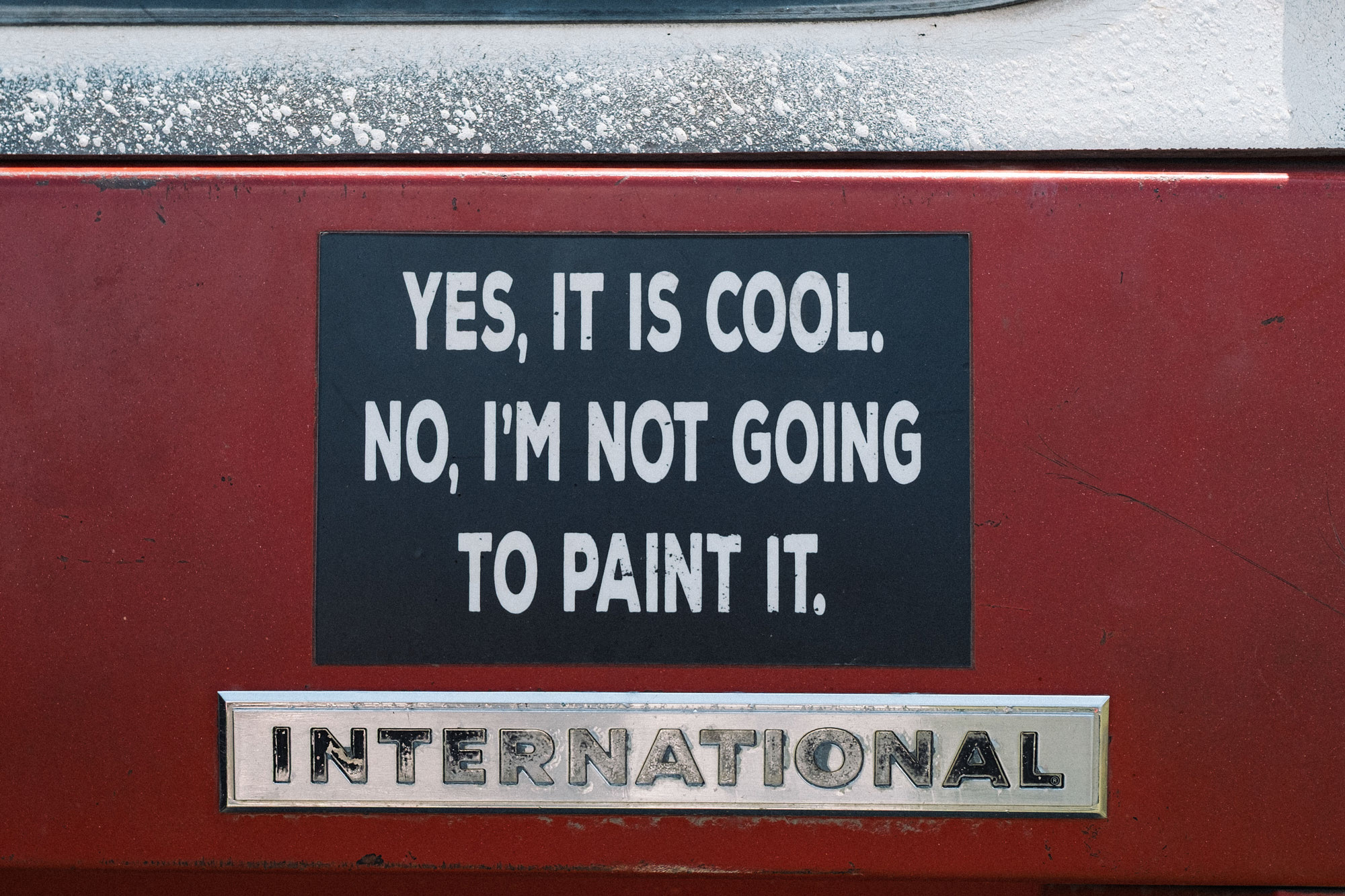
There were the elusive $500 Scout rigs, folks rescuing long-forgotten trucks from fields, rebuilding them with help from the community, and returning them to the road—rust included.
And for many, that connection began generations earlier. Parents and grandparents had sold Scout vehicles at dealerships, even built them at the factories. Many bought them new and depended on them for work and family life. It was just “the truck.” . Children grew up riding in the back, later drove them to high school, or began projects of their own as teenagers.
Every vehicle there had a different history, but nearly all of them shared similar values of family, nostalgia, and the people who helped keep the trucks moving. “Dad had one.” “Grandpa built them.” “A friend let me drive hers.” “We took it fishing. “We brought the kids home in it.” “It was the only truck on the farm we could not break.”
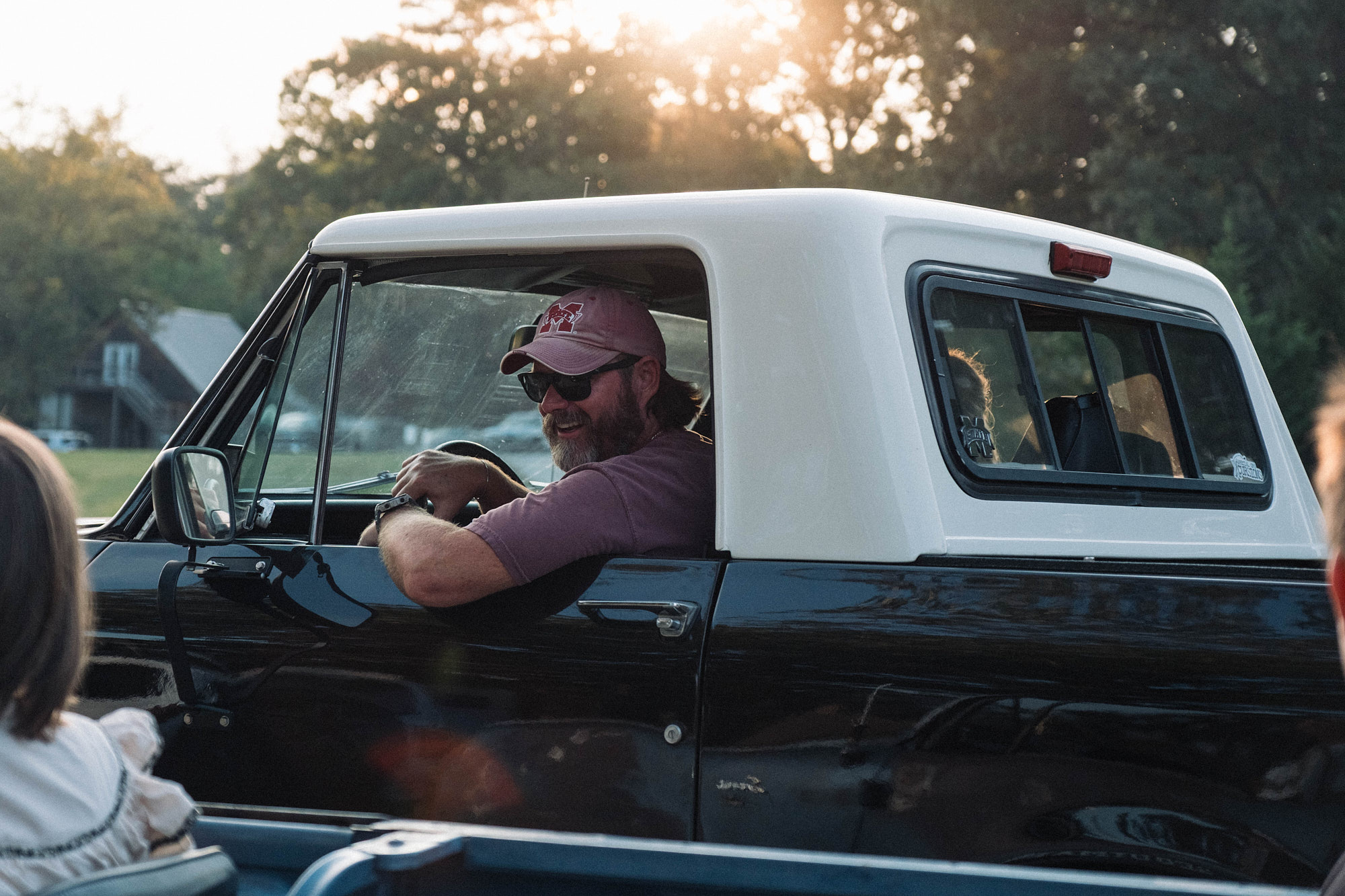
As Saturday winds down, the dust settles over the farm and families file into Jake’s Barn for smoked chicken, catfish, hush puppies, and the closing festivities. There are awards, speeches, thank-yous, and, of course, more stories. New ones from this weekend, old ones from the first year, and plans for next year. By Sunday, Crossville began to look like itself again. The old trucks disappeared from downtown and the farm grew quieter, still with the rumble of the combine in the distance.
For the weekend, our Traveler concept shared the field with generations of Scout rigs and the people who keep their stories alive, and we felt right at home. We’re already looking forward to returning next year. We hope we’ll see you there.
Disclaimer: Scout Motors celebrates the legacy of Scout vehicles and the passionate community that keeps them alive. However, Scout Motors does not sell, restore, or provide parts or services for vintage Scout vehicles. Any modifications or restorations featured are the work of individual owners or third-party specialists.
Looking for an event in your area? Visit our events page to see when we’ll be in your neck of the woods.