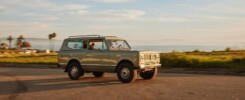
“It’s just a truck, it’s a tool. It’s a good truck. It’s a good tool.”
W
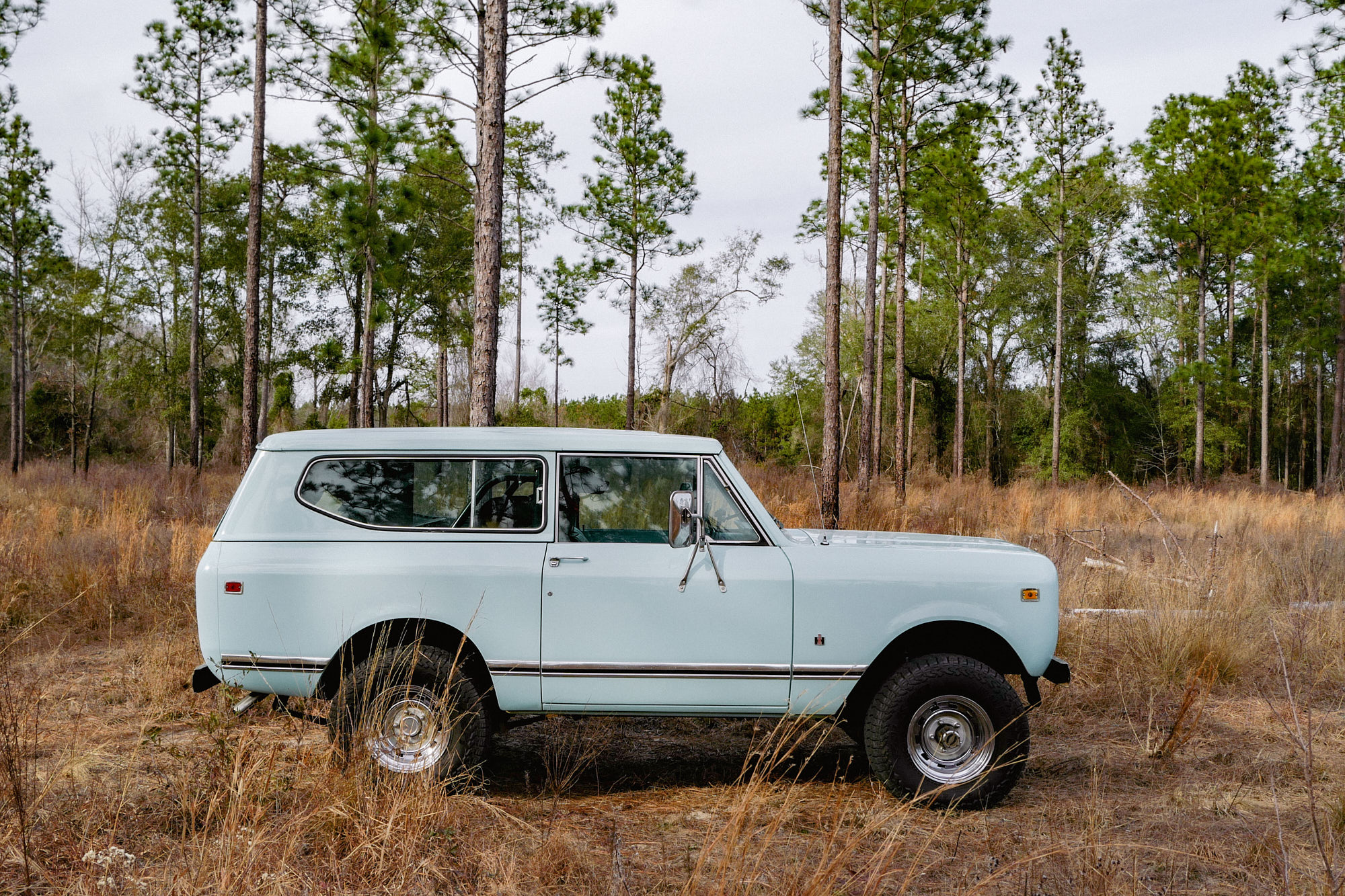
hile that may read like a vintage Scout® truck ad, it’s all Steve Hein has to say about his 1977 Scout II™ pickup.
Steve is usually a man of many words. Careful words, considered words. Steve is an artist, an educator, and a Master Falconer — hunting with trained birds of prey. He has made a living by being a steward of the natural world — observing it, participating in it, protecting it, and inviting others to do the same.
But about the truck, he keeps things simple. It’s a simple truck. The Scout II pickup fits his life, simple as that.
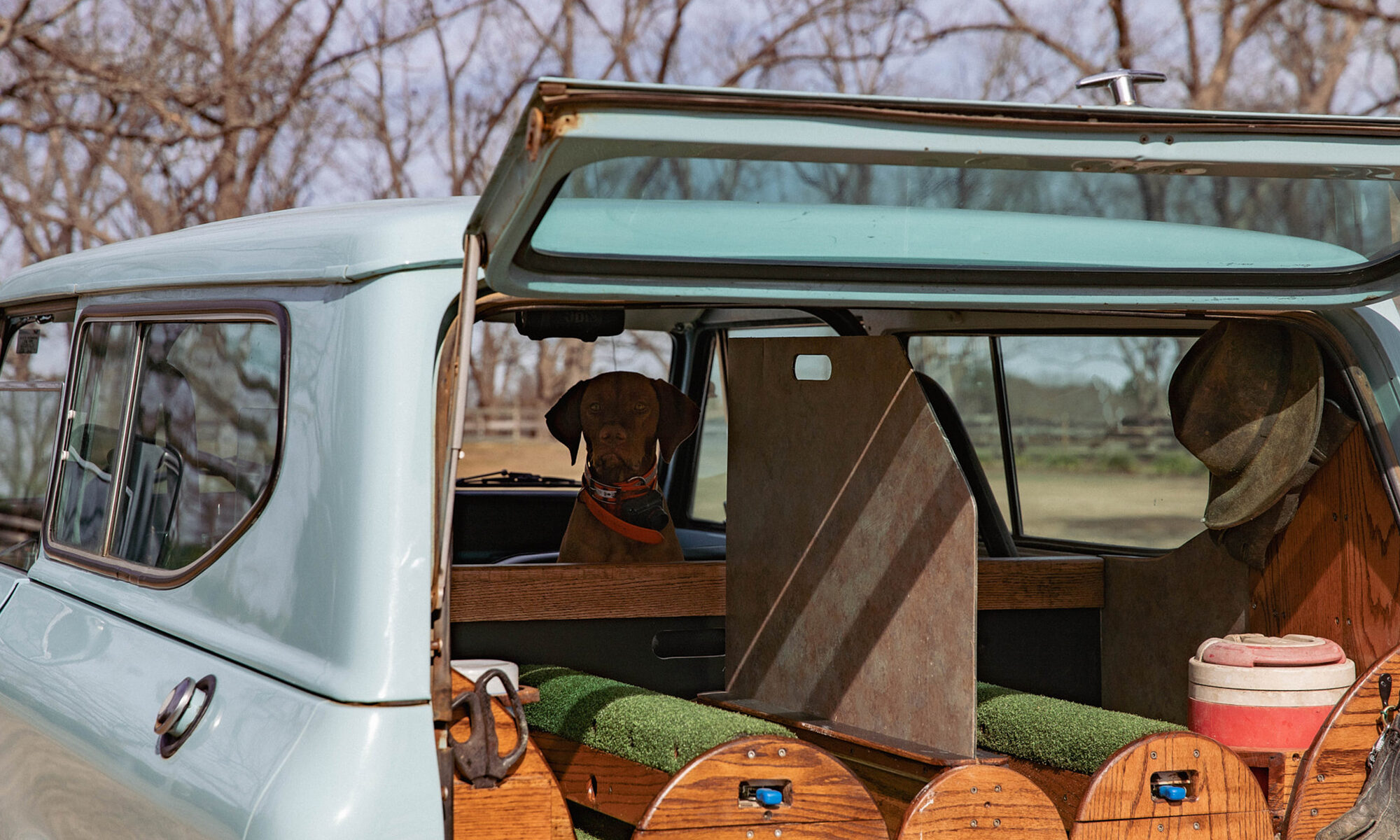
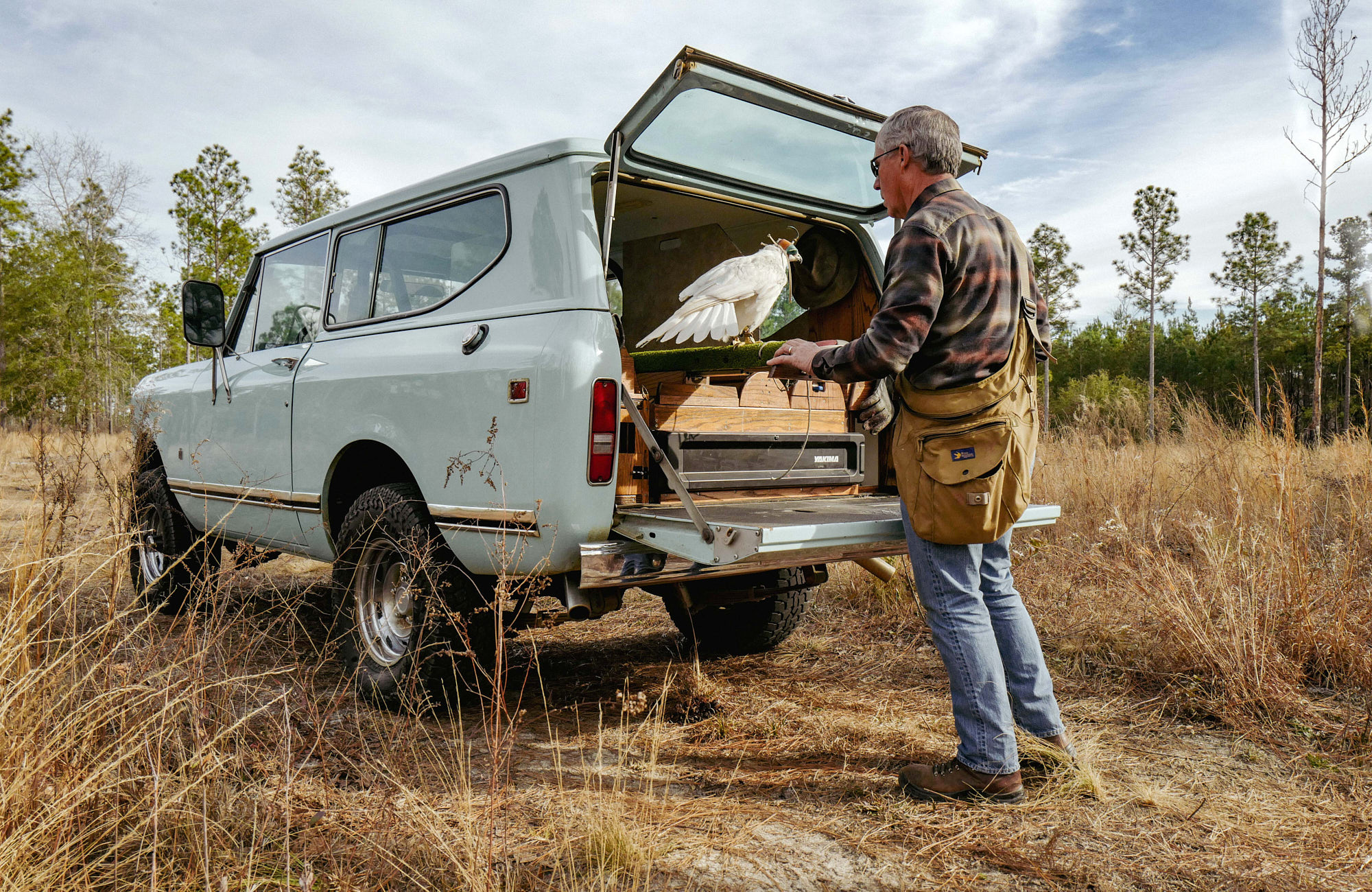
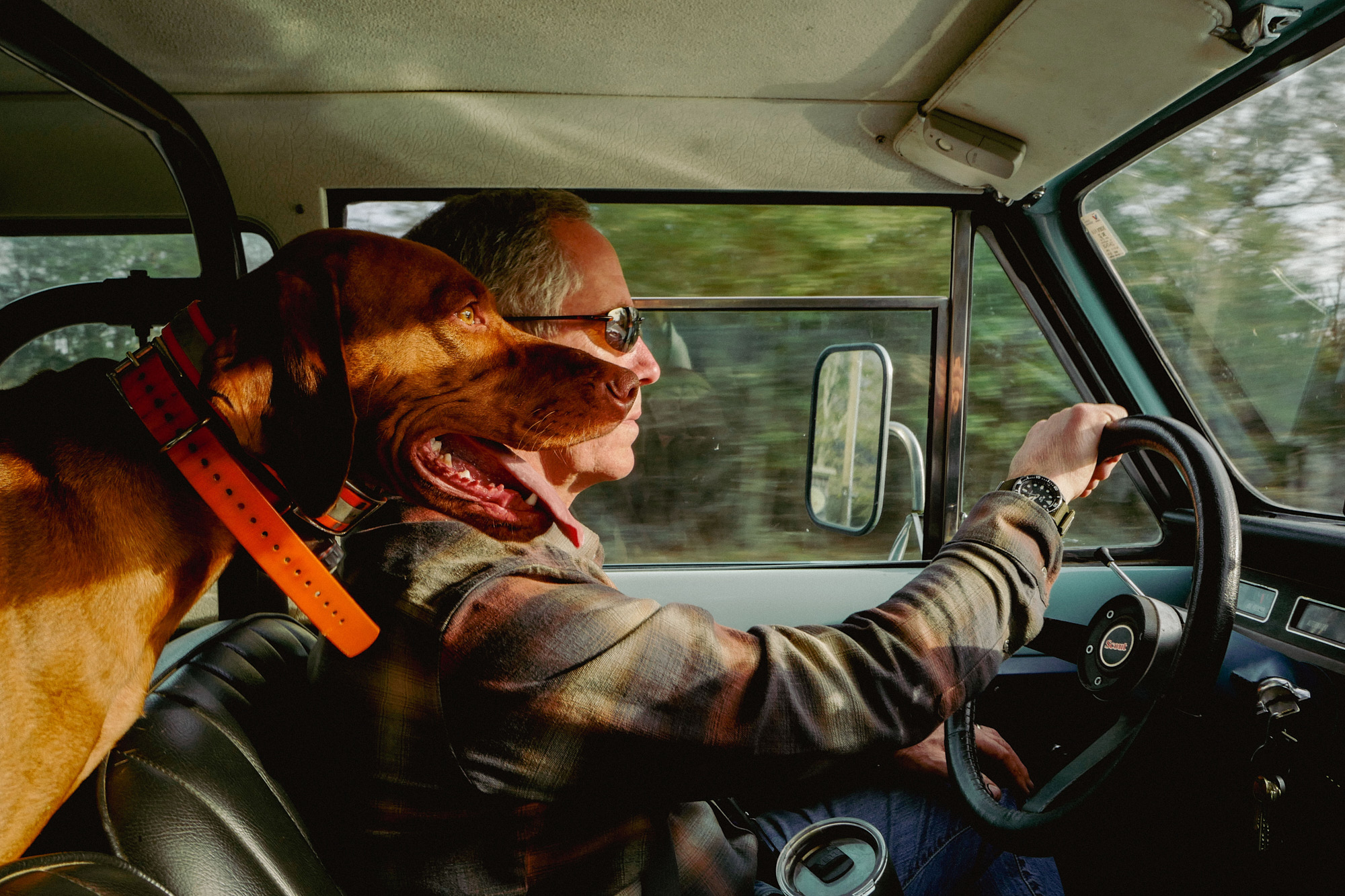
“It fits the dog and the birds. I don’t mind getting it dirty, either.”
Now that definitely should have been an old Scout truck tagline.
And maybe that’s all that really needs to be said about Scout vehicles — that they’re good tools. They are designed to work. To carry, to haul. To get dirty. To go where they’re pointed. And that’s what Steve’s Scout II truck is doing 40 years later. Mostly all original, too.
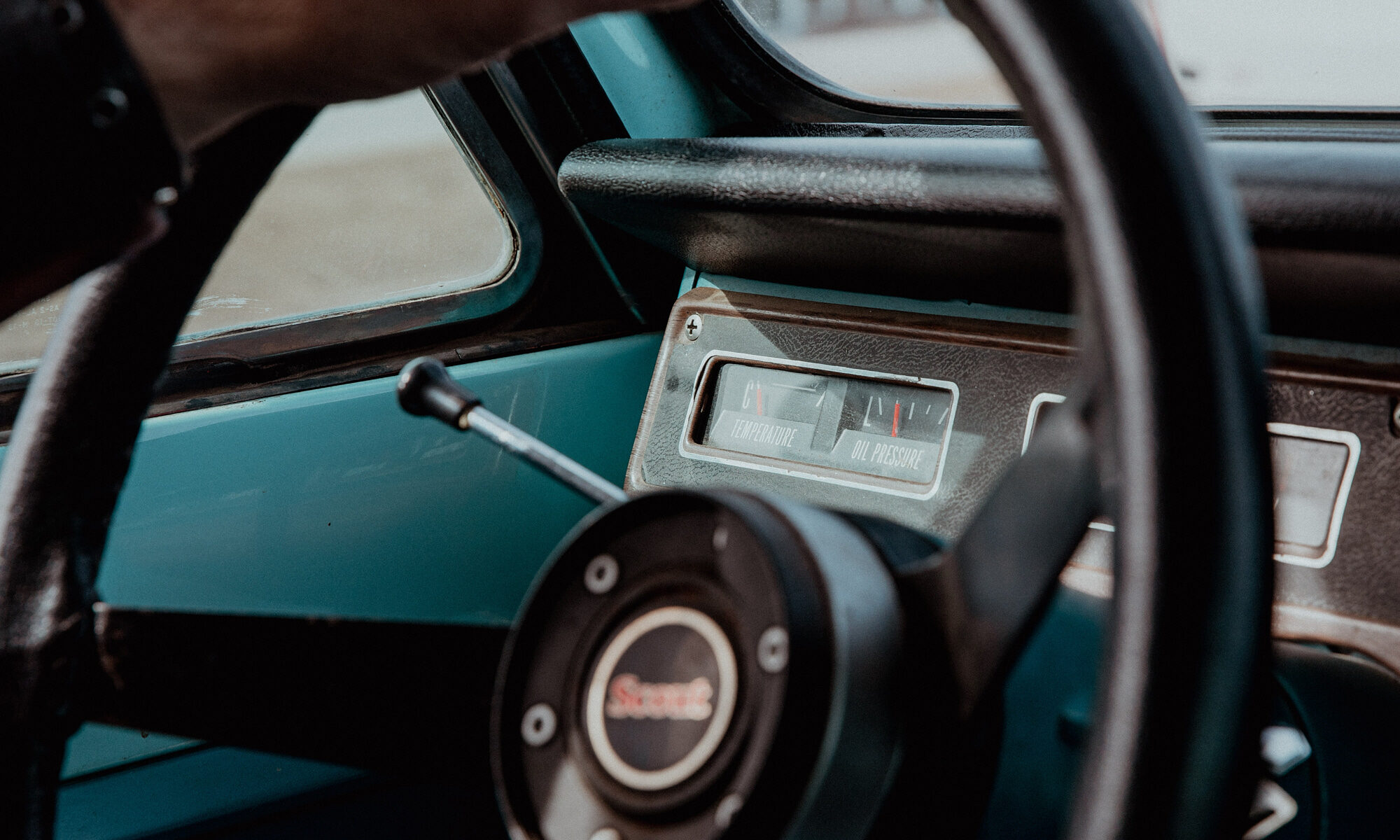
It’s got the classic 304 V8, lacks power windows, nor a working radio. But does sport an added roll cage for safety’s sake. And of course, a fire extinguisher onboard.
It runs, drives, stops. It works. No frills, no fancy upgrades, nothing interesting. What’s more interesting is what Steve does with the truck — and who Steve is.
“It fits the dog and the birds. I don’t mind getting it dirty, either.”
You may know Steve Hein the artist.
For more than forty years, he’s painted the outdoors with reverence. Ducks cutting across marshes, hawks poised in tension, wildlife caught in motion. Award-winning wildlife art. Steve’s work has earned him Ducks Unlimited® “Artist of the Year” three times. Not just for his skill, but also for his conservation efforts, fundraising, and stewardship of the outdoors. Steve’s art and passion also earned him the Georgia Governor’s “Artist of Excellence” award. His work can even be found on Georgia duck stamps dating back to the late 1980s.
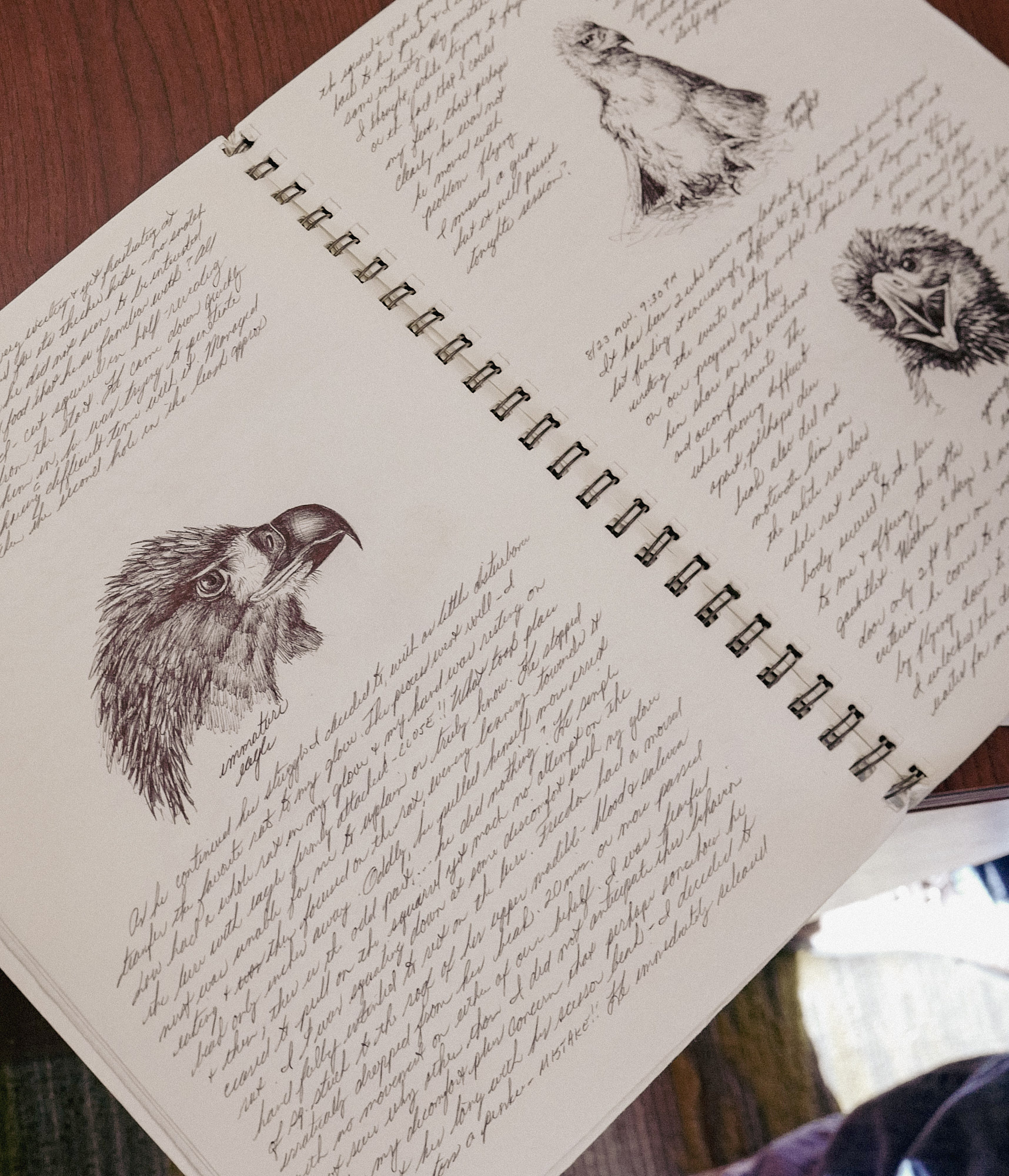
Steve’s art didn’t begin in the studio, it began outside — years before he even started painting. His craft was inspired by his time spent in the wilderness. Steve was lucky to grow up immersed in nature from a young age, his time spent roaming fields and hiking in the woods left him curious and wanting to discover more. From an early age Steve was naturally drawn to the arts, always having pen and paper in hand, sketching what he saw while outdoors.
As Steve grew older, a Scout II truck entered his life and soon became his ways and means for exploring the great outdoors. His first Scout II truck, that is. Because like any good tool — you usually have multiple.
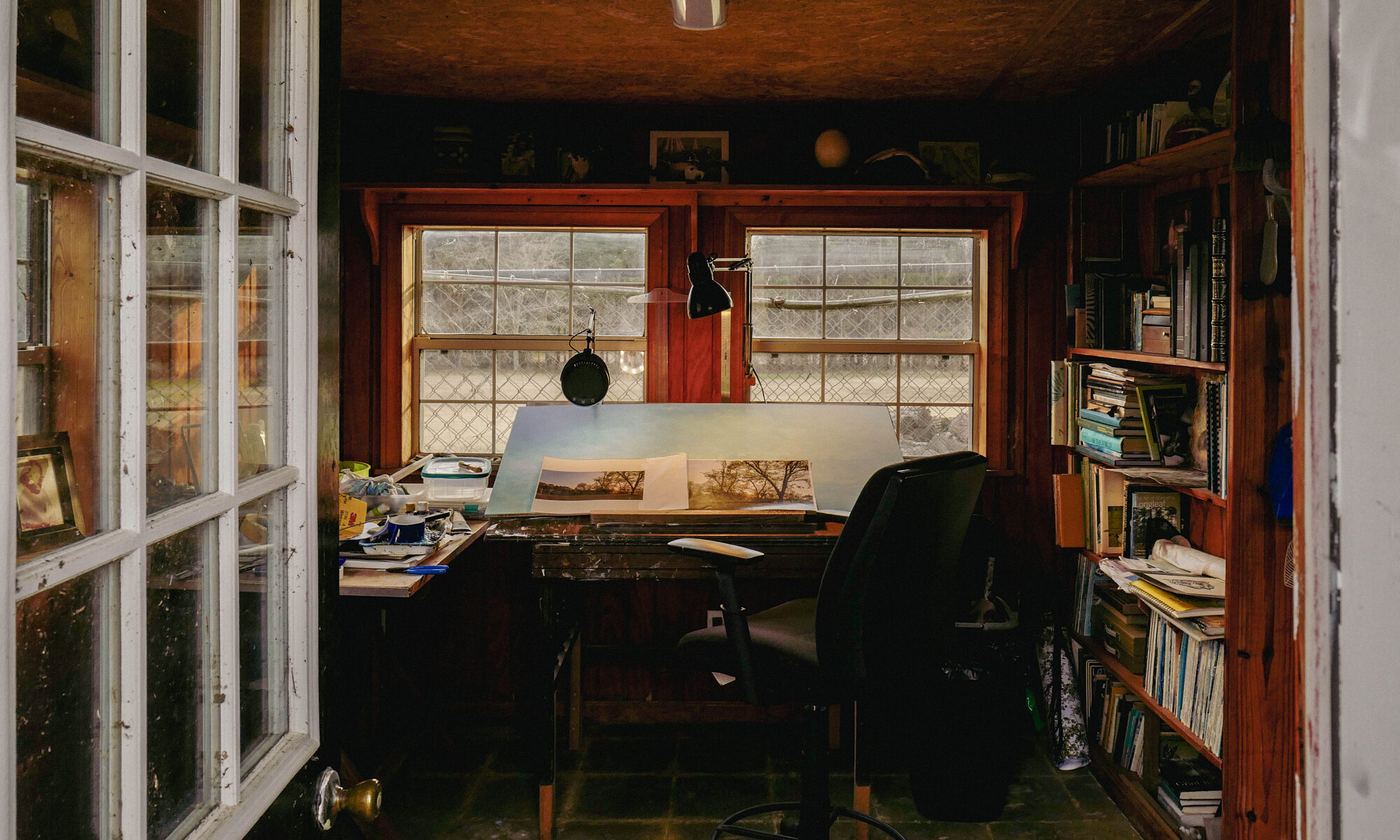
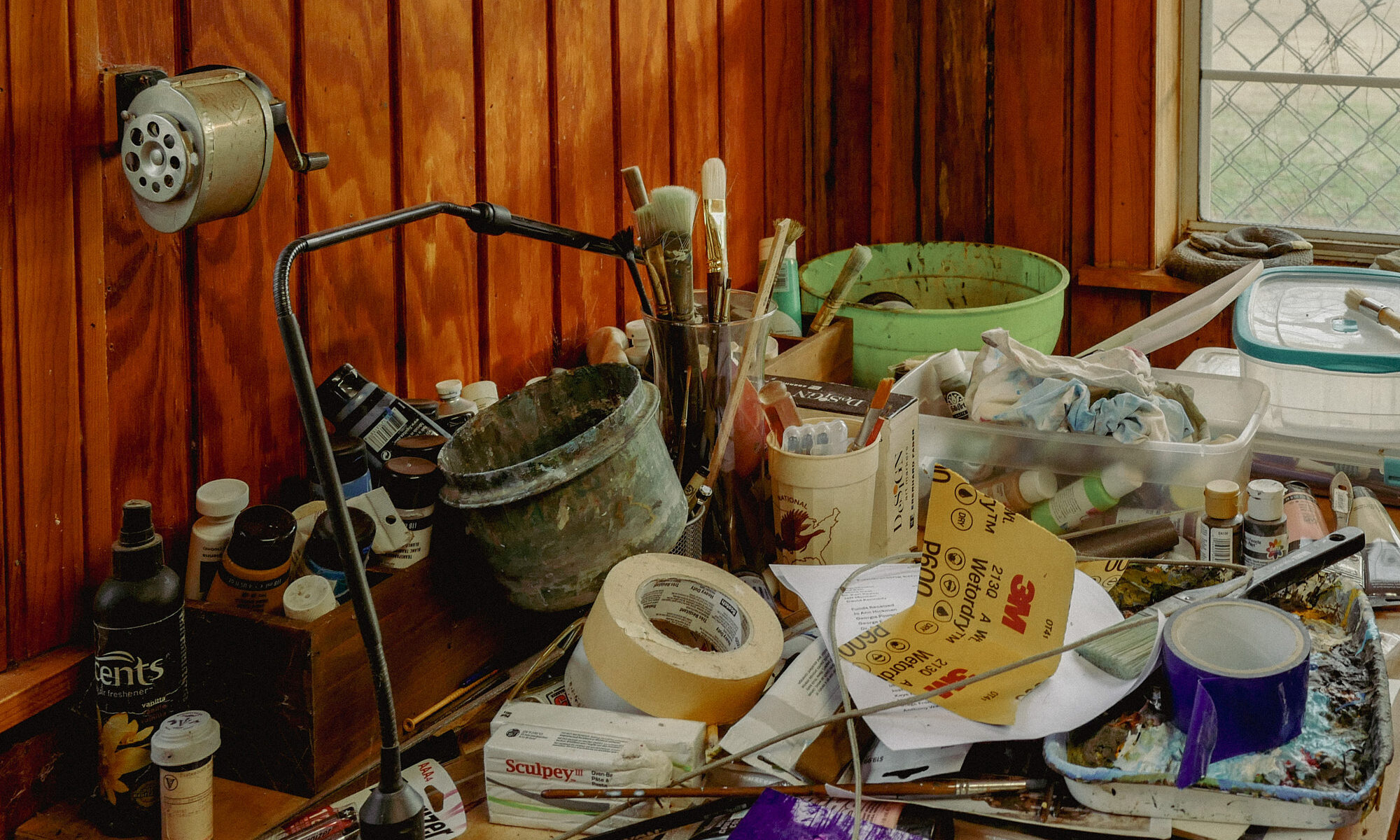
At home, Steve’s studio is small and humble — walls lined with early sketches, framed awards, and photo albums thick with memory. Old 4×6 prints date back to the ‘80s. Hunting trips, camping trips, dirt roads. Adventures, expeditions. Family photos, vacations, his children when they were small.
And there in the background of many photos, his Scout II pickup truck. Parked at trailheads, loaded with gear, mud on the rocker panels. It’s never the subject of the photo, just always in the background of the story, doing its job.
Flip a few more pages, and now the birds begin to appear.
You may also know Steve Hein, Master-Falconer.
For more than half his life, he has practiced falconry — not as spectacle, but as discipline. Rehabbing. Training. Flying. Educating. It’s earned trust, a bond with the wild. It’s patience measured in seasons.
To put it simply, he says: “the person practicing falconry at a high level leaves the field with a bird on the fist and a smile”!
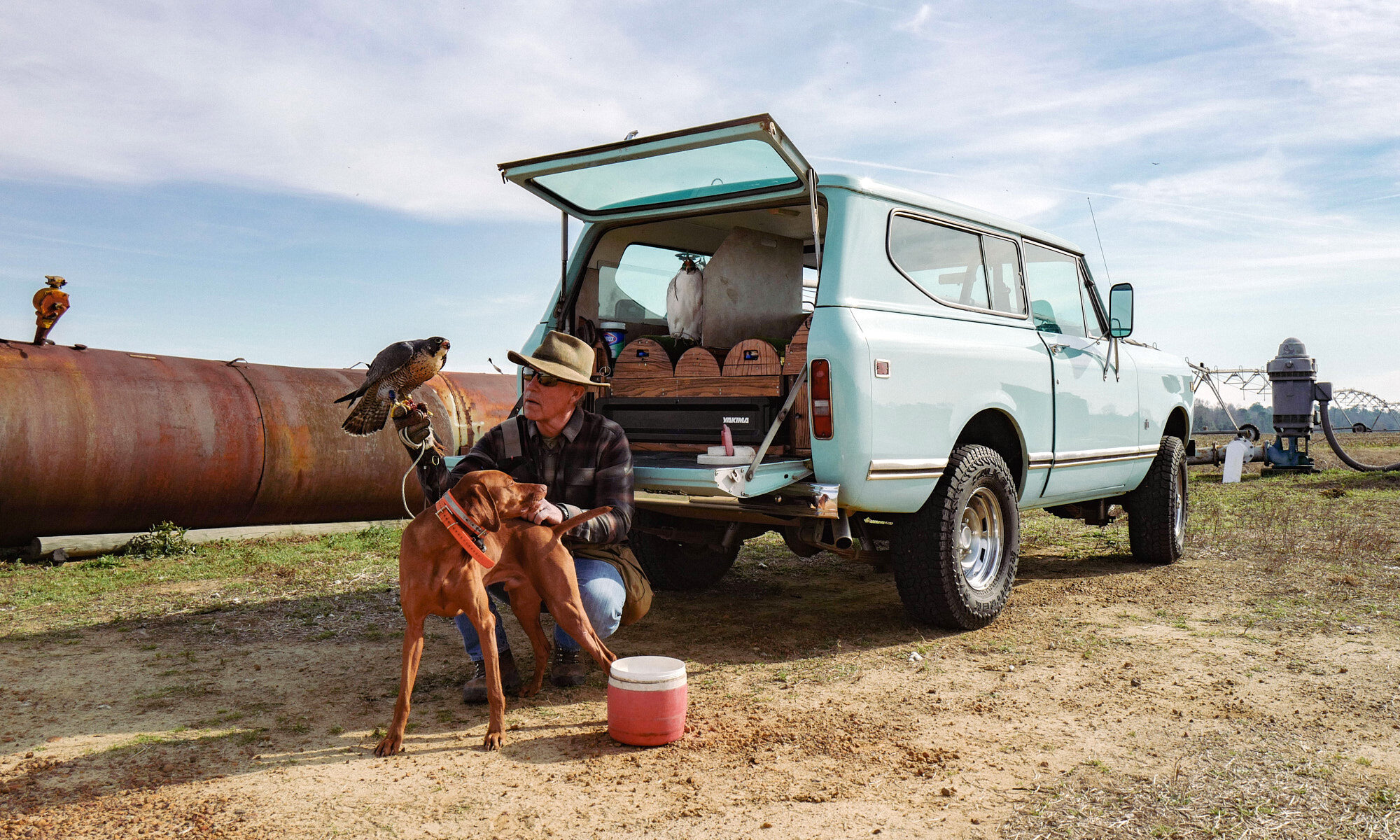
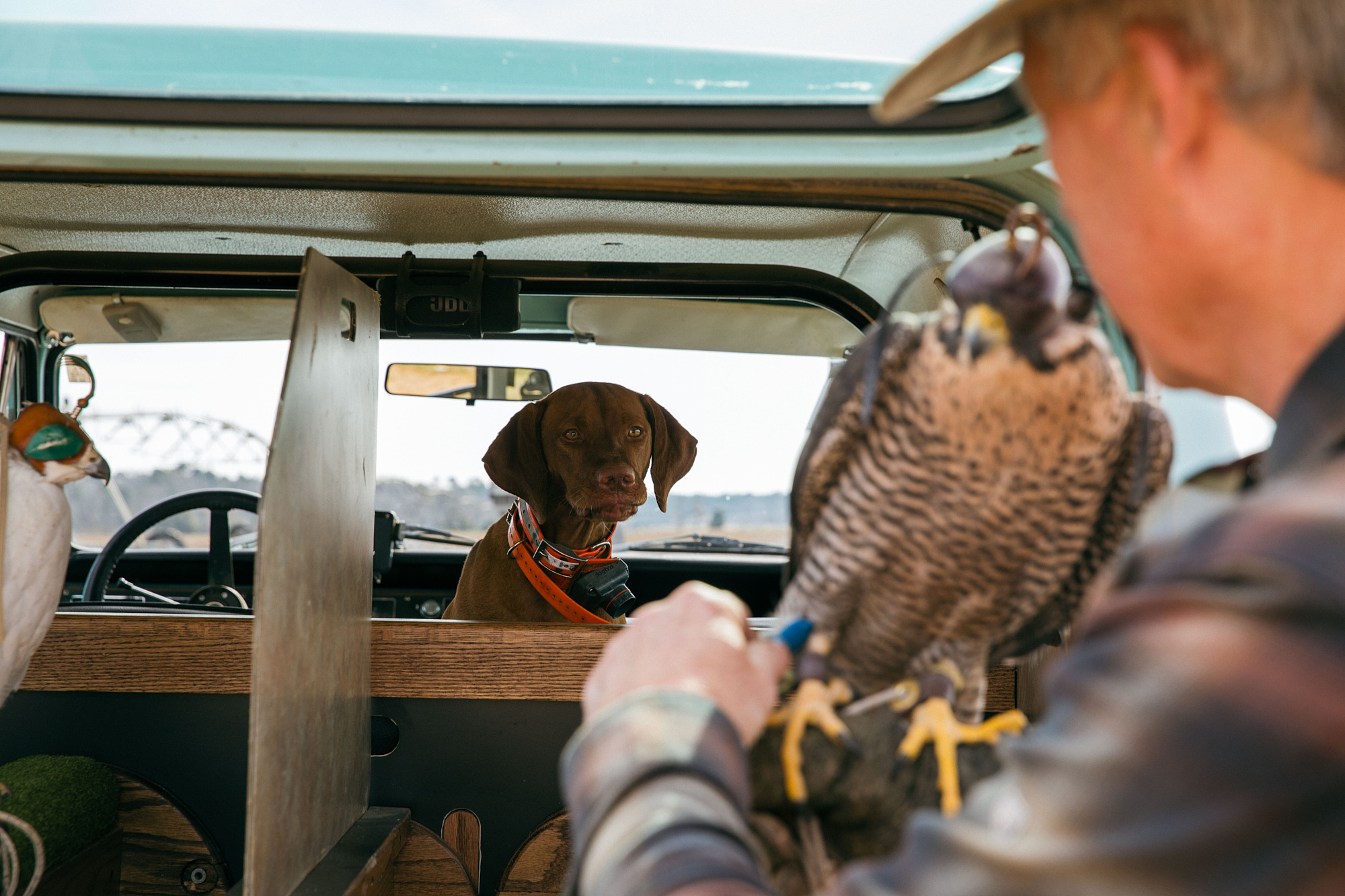
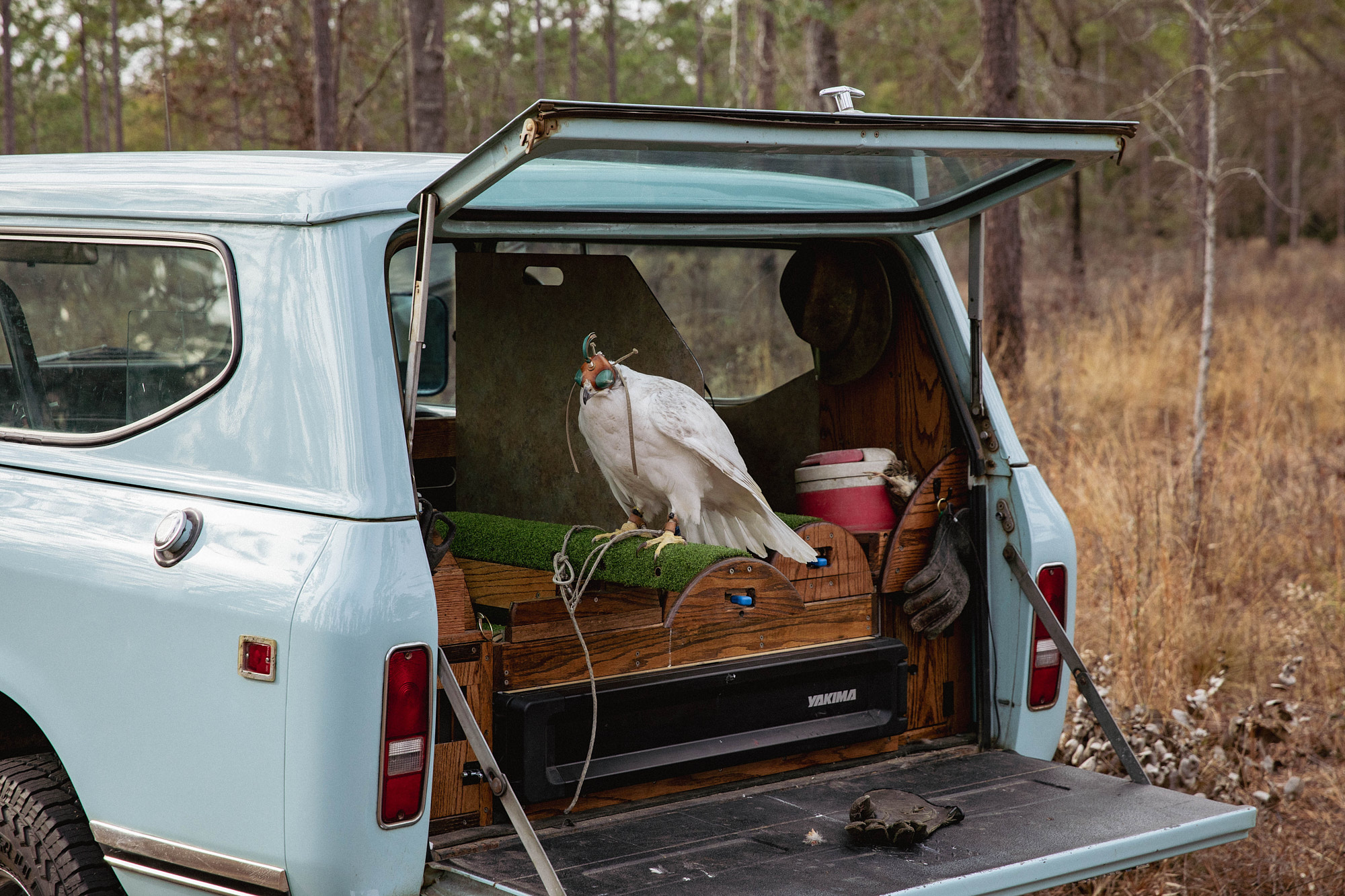
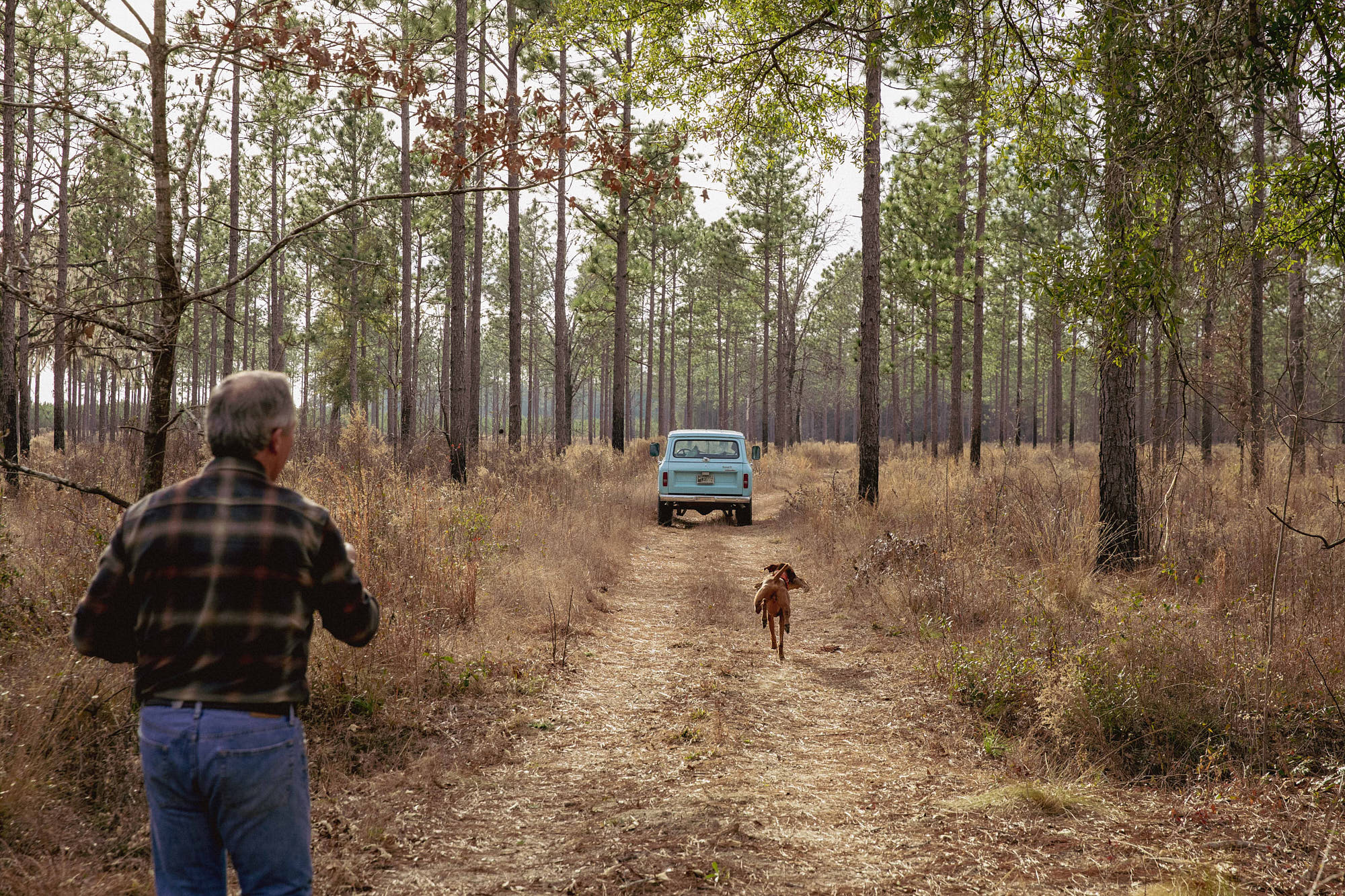
Virgil, his young pointer, hops into the Scout II truck upon command. The ritual is automatic now. A peregrine falcon and a goshawk are secured in the back, hoods adjusted. The 304 V8 turns over and heads for the trails.
Steve doesn’t “go hunting.” He goes flying.
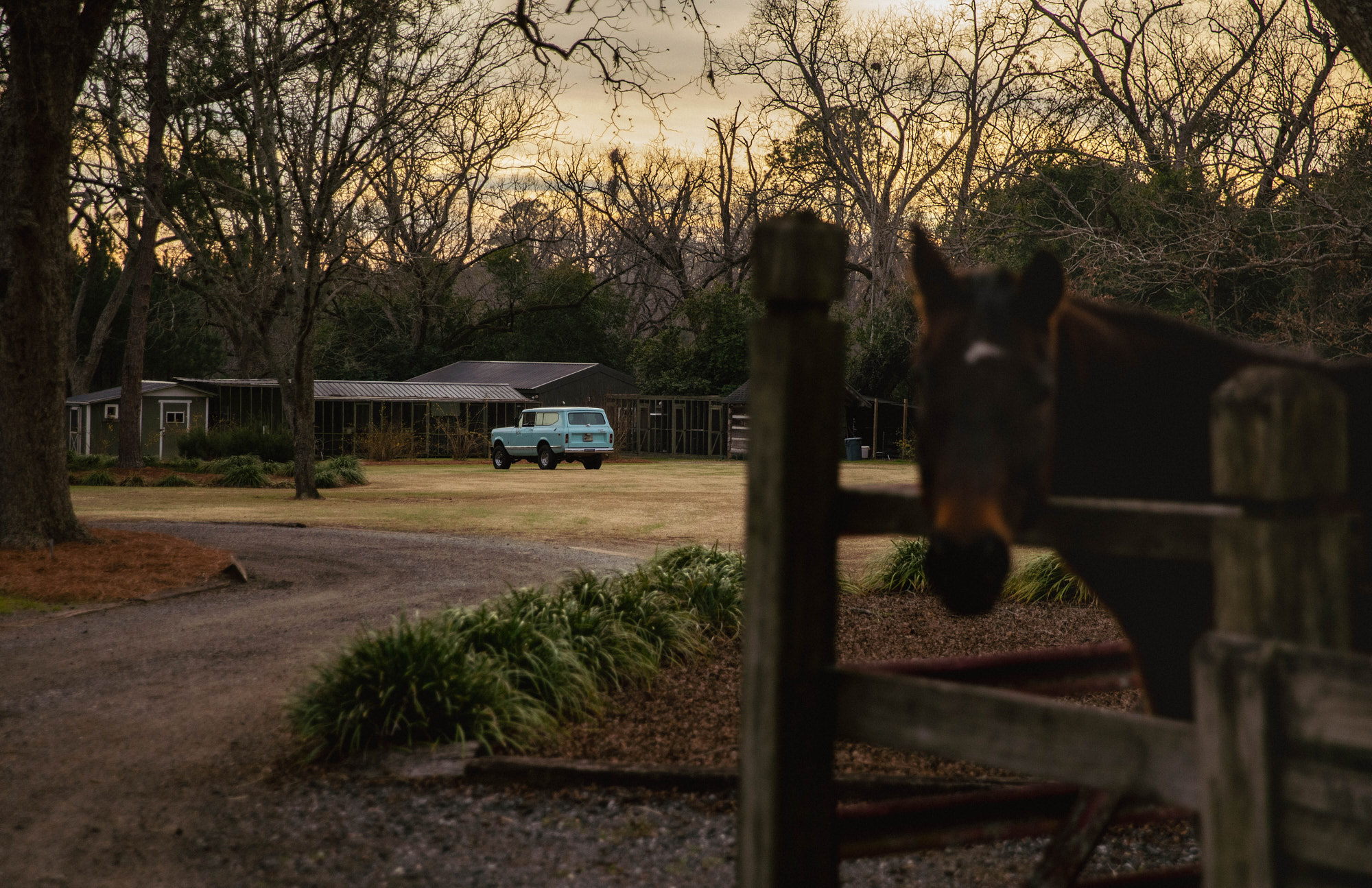
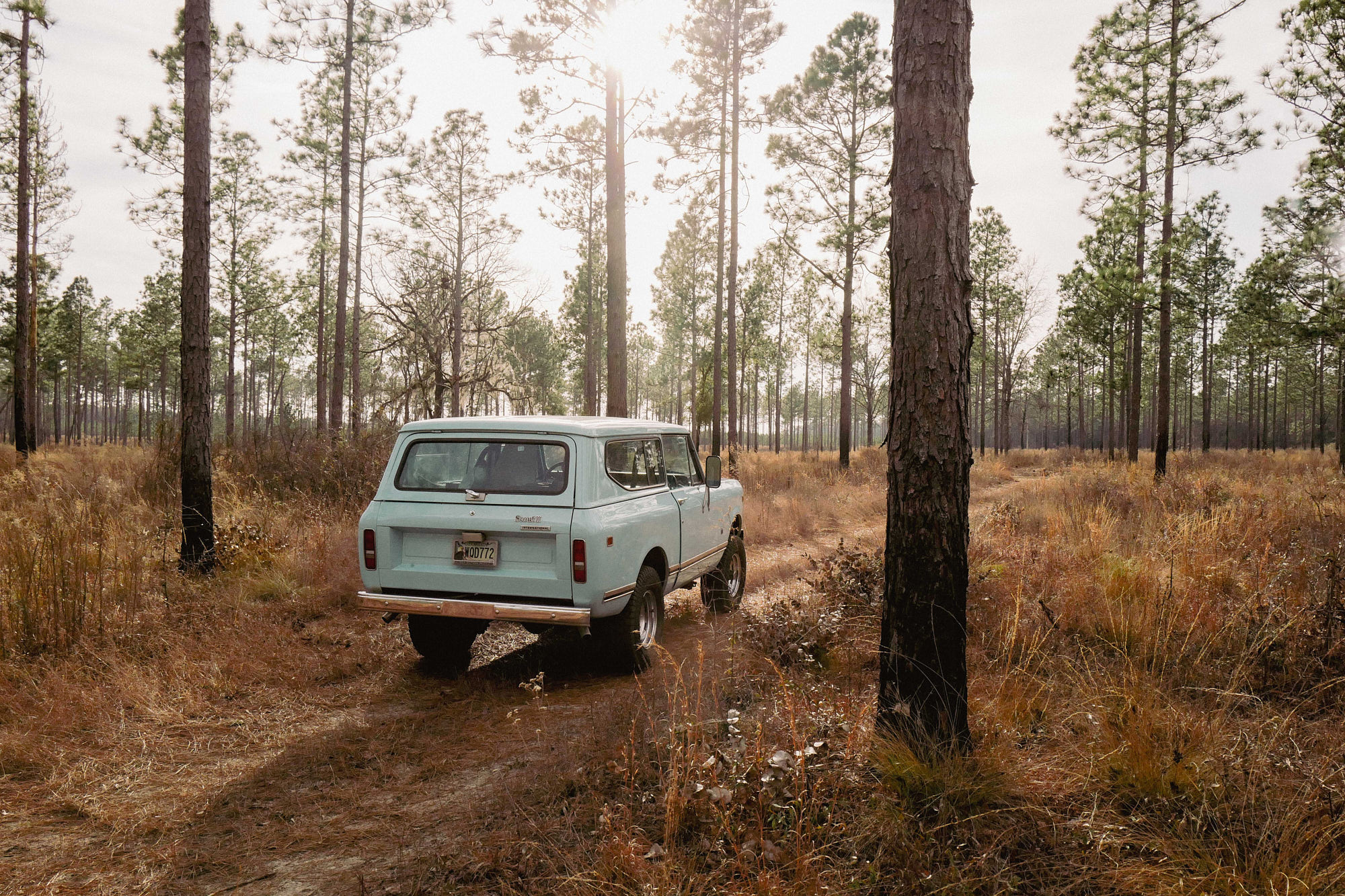
His Scout II truck rolls out of town toward stretches of remote Georgia quail land — places that still feel untouched. Longleaf pines, wiregrass, sandy lanes that disappear into timber.
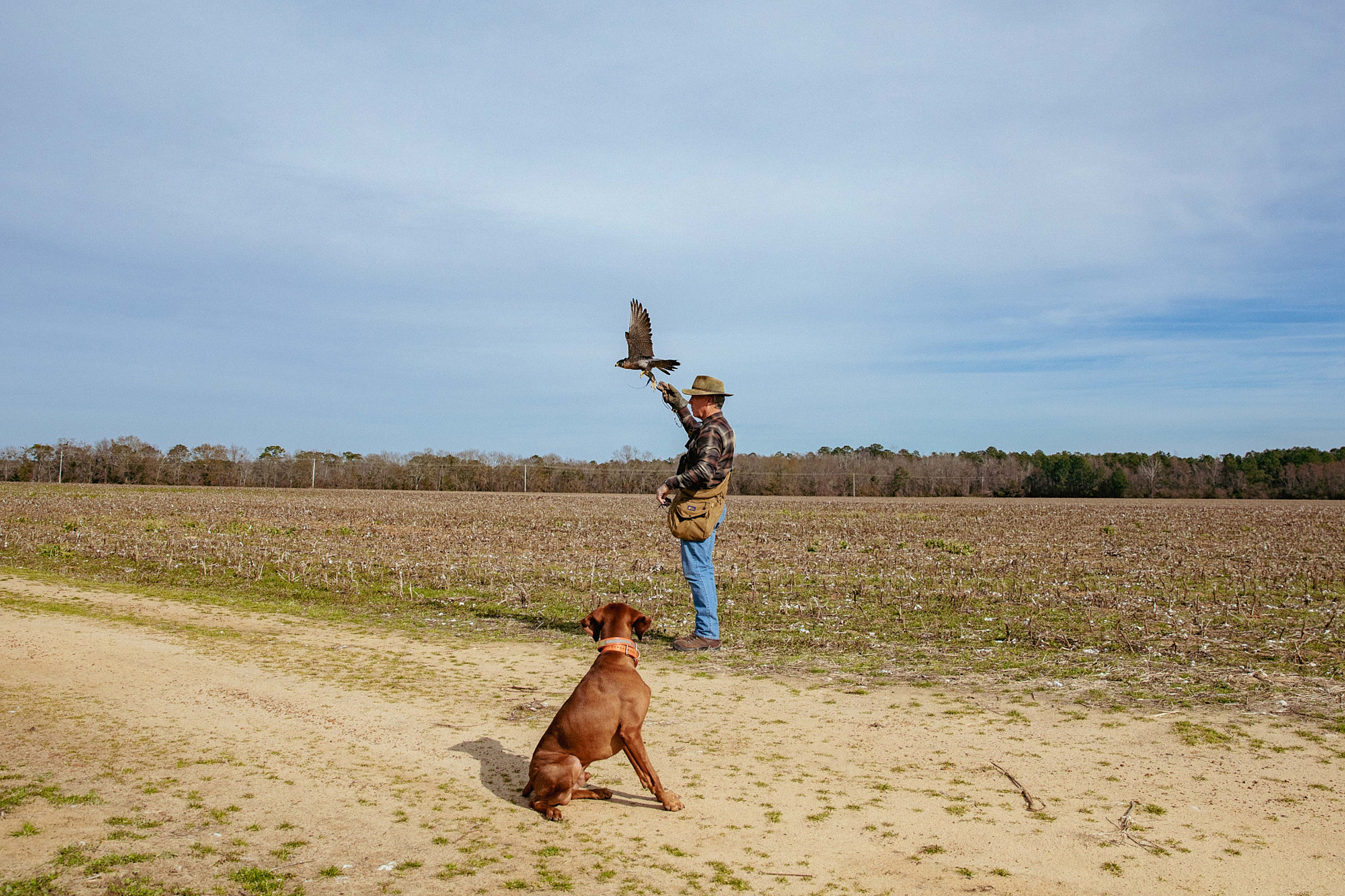
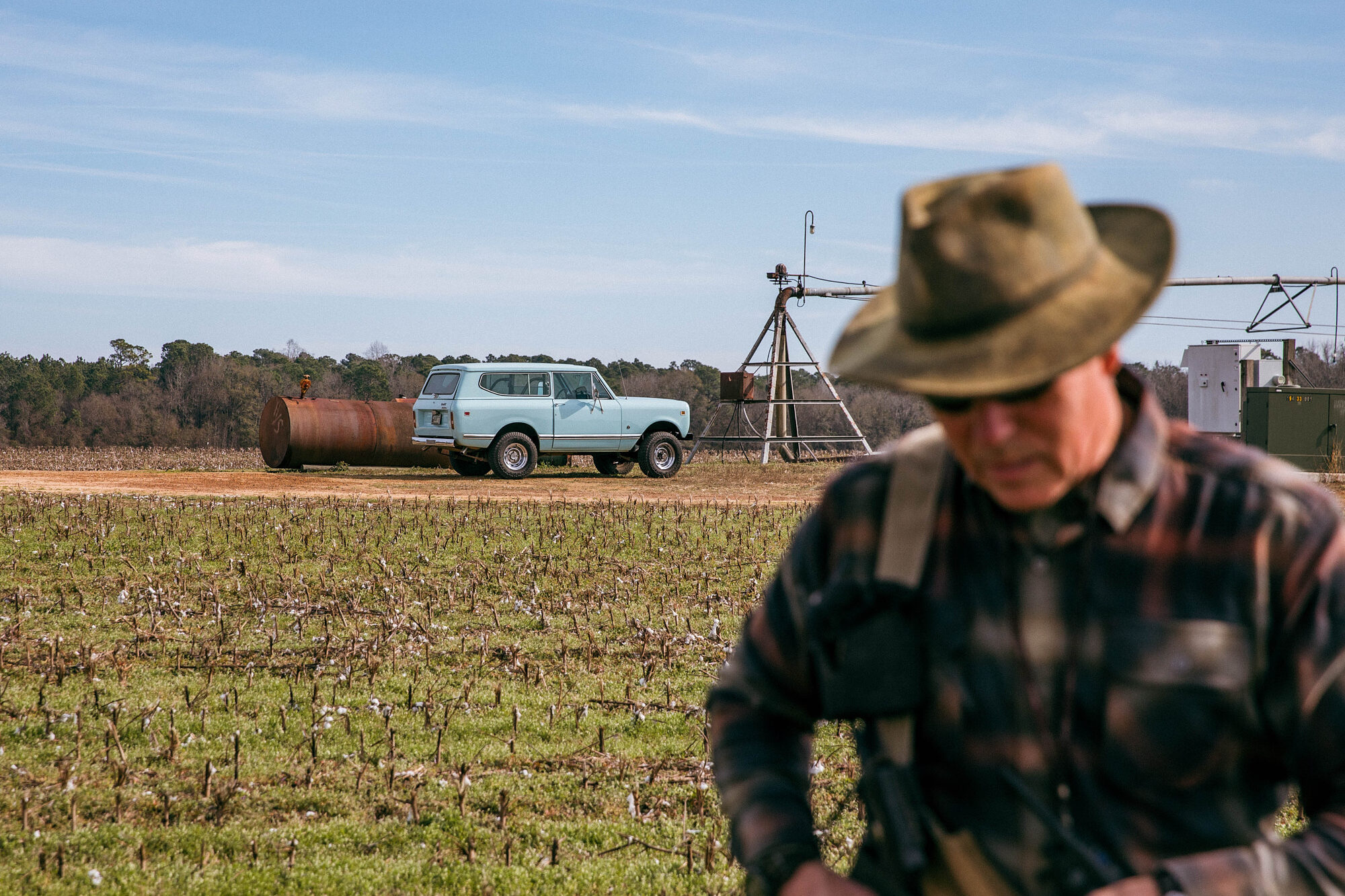
Sometimes the landscape is cotton country — wide agricultural flats where the horizon stretches. Falconry, as Steve practices it, is a symphony of moving parts.
Virgil ranges first, quartering the field with nose down, tail level, working scent invisible to human senses. The bird on the glove, waiting patiently. Sometimes homing pigeons are used for conditioning flights and other days it’s pheasants for a true hunt. But Steve emphasizes, the goal is instinct meeting instinct — it’s experiencing nature. It’s wild.
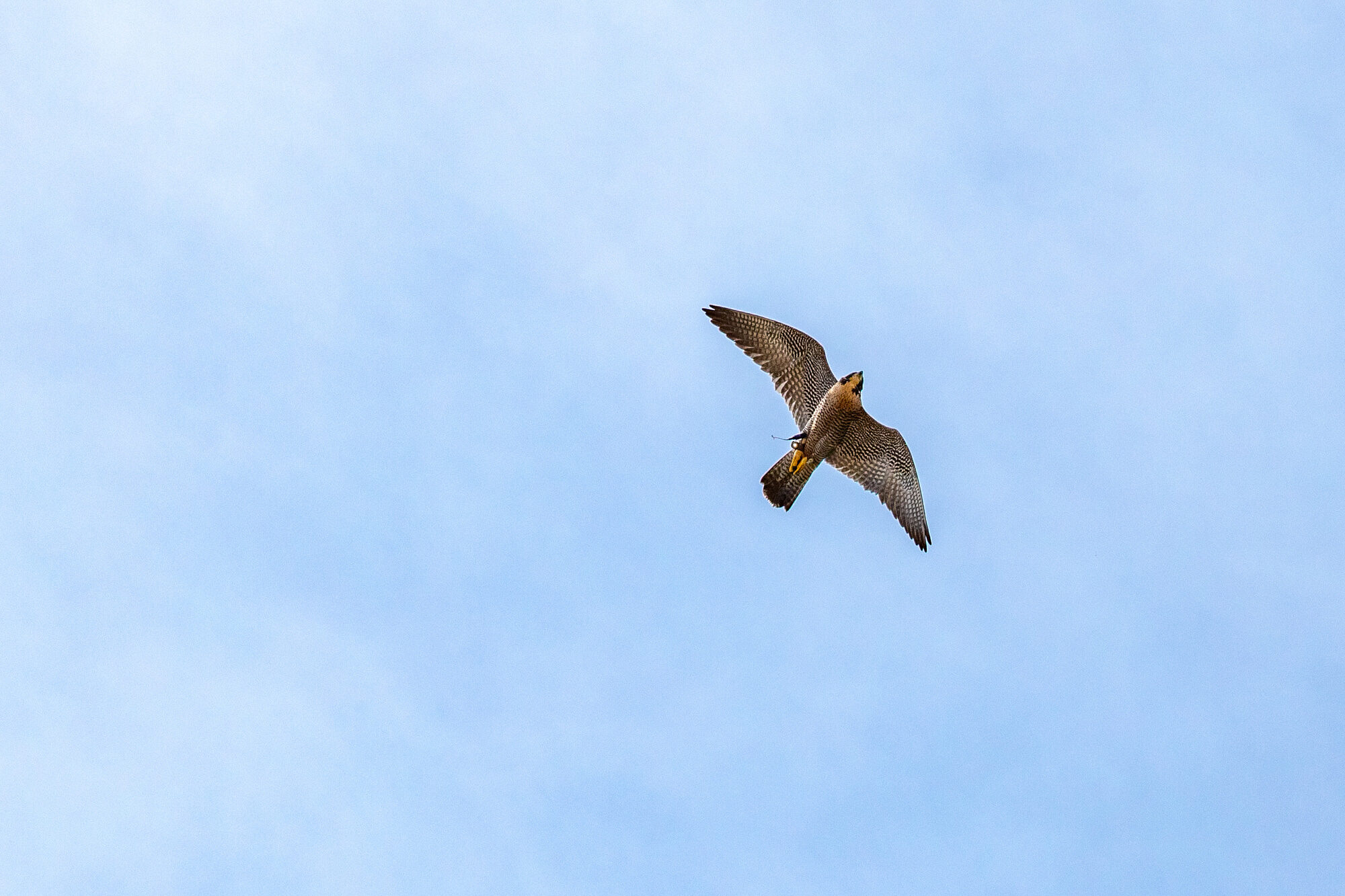
Out in the field, the falcon launches into the open sky. There’s tension. Waiting. Watching. Steve’s posture shifts almost imperceptibly. And this is where Steve is most alive. Under an open sky with a raptor above him and a dog locked in instinct below, his Scout II truck parked in the background, engine ticking as it cools.
And if none of that rings a bell, maybe you know Steve Hein from his “day job.”
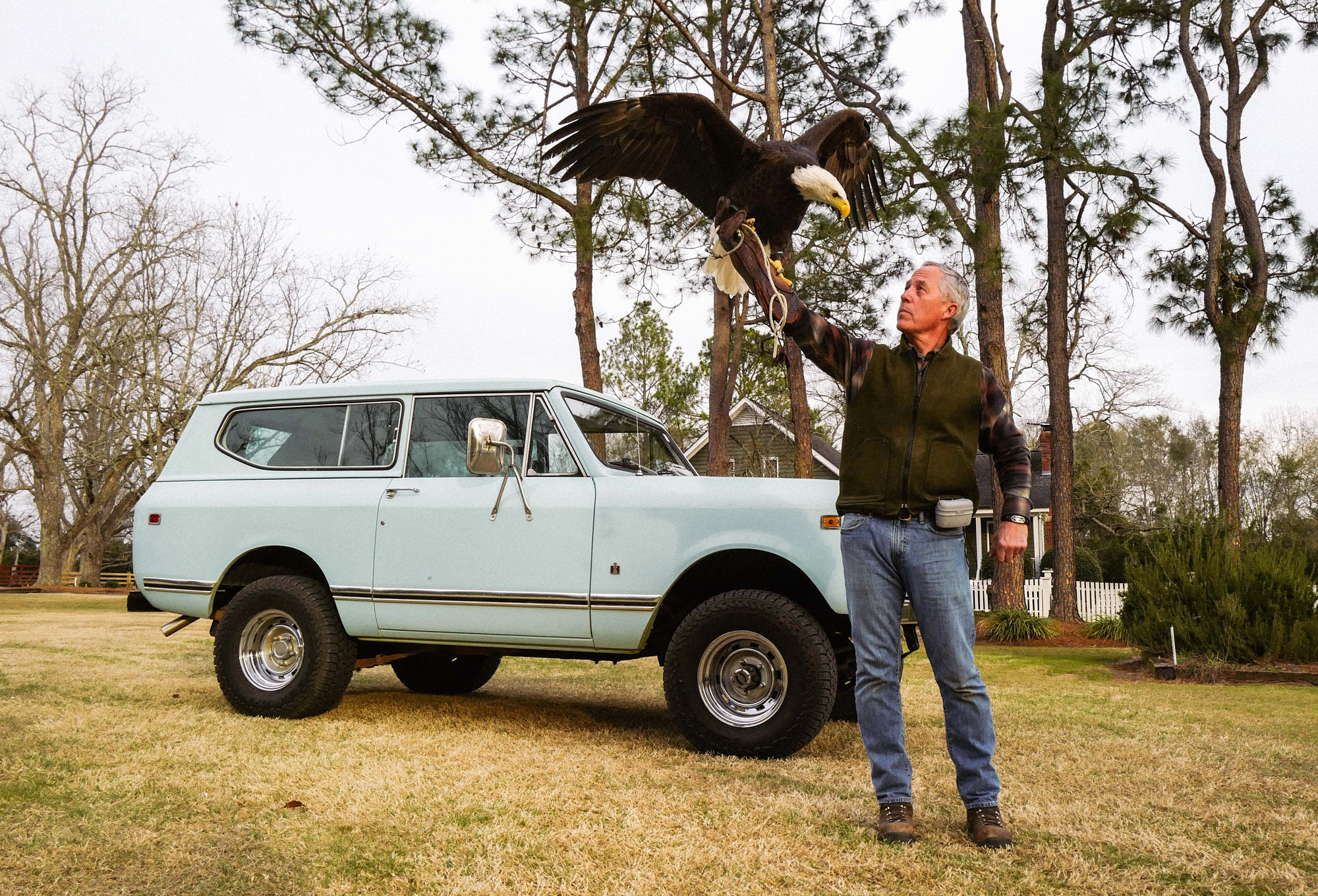
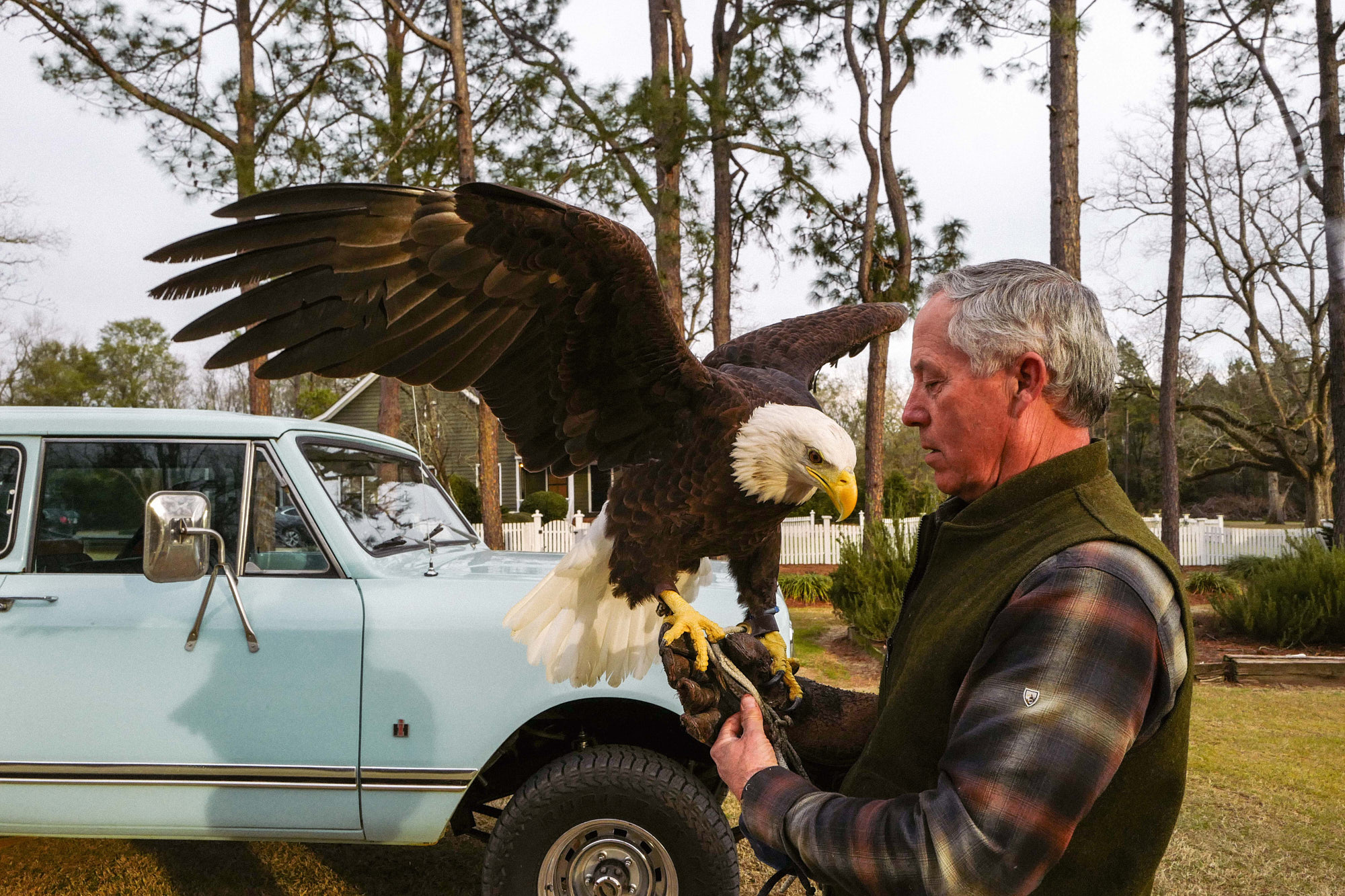
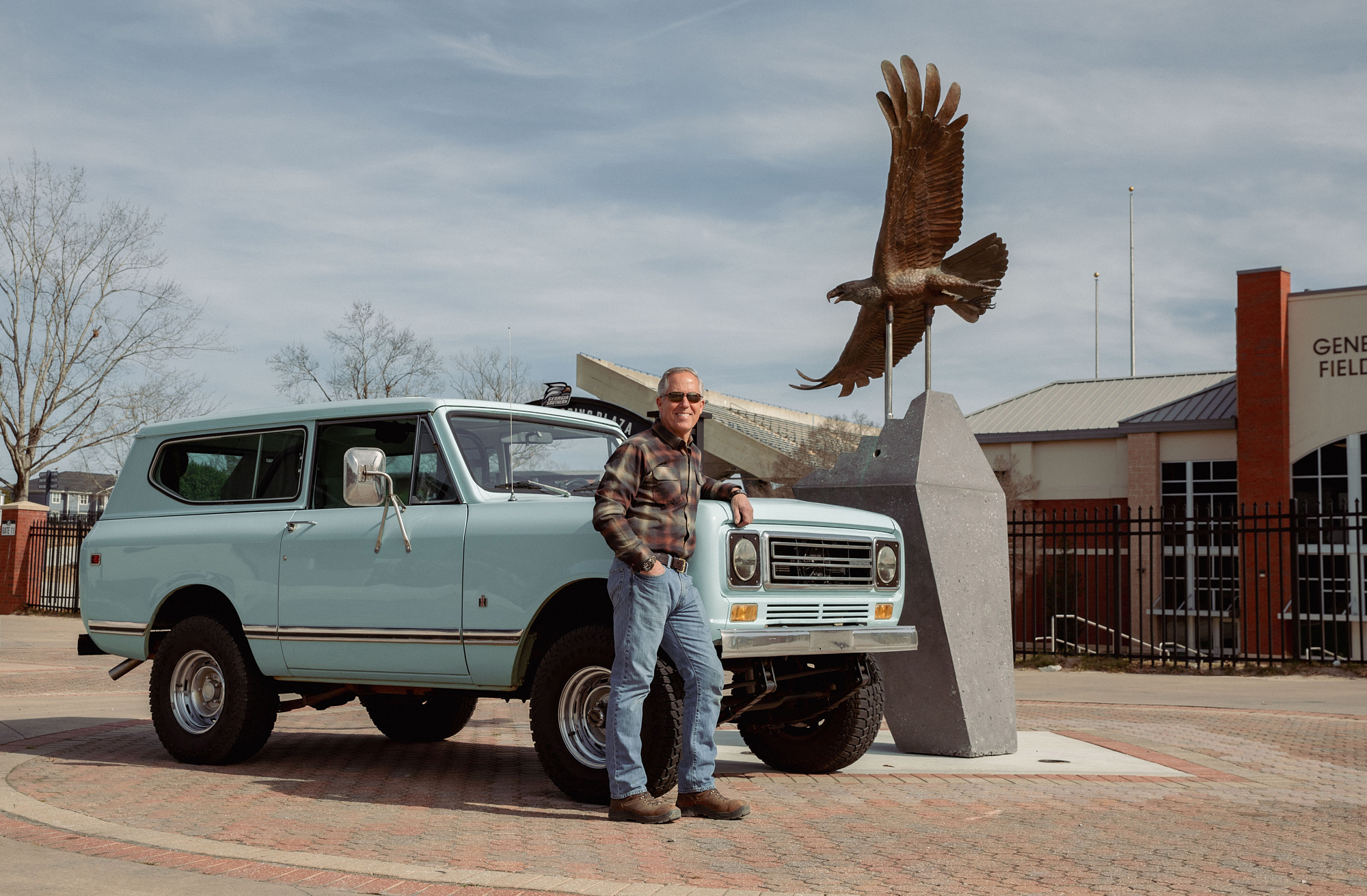
The man who drives a 1977 Scout II pickup truck with a bald eagle perched in the back, on his way to release it above a stadium packed with 20,000 fans who call themselves “Eagle Nation.”
On game days at Georgia Southern University, the ritual would begin long before kickoff. Freedom, an American Bald Eagle, and Georgia Southern’s mascot would be carefully transported in the back of Steve’s Scout II truck, via police escort through the campus.
The eagle is secured and calm, away from the noise and spectacle that’s building inside the stadium. Students and fans look on, cheering and waving, as the procession heads towards the stadium. Freedom was more than a mascot, Freedom was an icon. His flight above the stadium prior to football games was truly legendary.
As is with nature and life, Freedom the eagle passed away after serving as the school’s mascot for two decades. He was rescued in 2004 after an injury left him unable to survive in the wild, providing inspiration and education opportunities for the university.
Steve is now training Freedom II, a larger female that was deemed non-releasable by the US Fish & Wildlife Service. Training doesn’t come easily, as the process can take nearly three years.
And that’s Steve too. Ambassador for Georgia Southern University. Thirty years ago he founded and built the Center for Wildlife Education on campus. Nearly 20 acres of hardwood, wetlands and swamp, in the middle of the university.
Steve believes conservation begins with proximity, closeness to the natural world around us.
For decades, he has introduced children, students, even adults —to snakes, raptors, owls, and the wild places that exist inside a modern campus. Providing meaningful moments of wonder and closeness, Steve has seen a spark ignite when people interact with nature and experience something wild.
And through all of Steve’s life, there’s been his Scout II truck, simply working as a tool to fit his authentic, wild life.
The truck isn’t restored; it’s not preserved for nostalgia. It’s used. Driven. Loaded with dogs and birds and memories. “It’s just a truck. A tool.” Maybe that’s the point.
Scout vehicles were designed to be good tools. And like any good tool, they’re still working decades later — quietly carrying the lives of the people who depend on them.
Disclaimer: Scout Motors celebrates the legacy of Scout vehicles and the passionate community that keeps them alive. However, Scout Motors does not sell, restore, or provide parts or services for vintage Scout vehicles. Any modifications or restorations featured are the work of individual owners or third-party specialists.