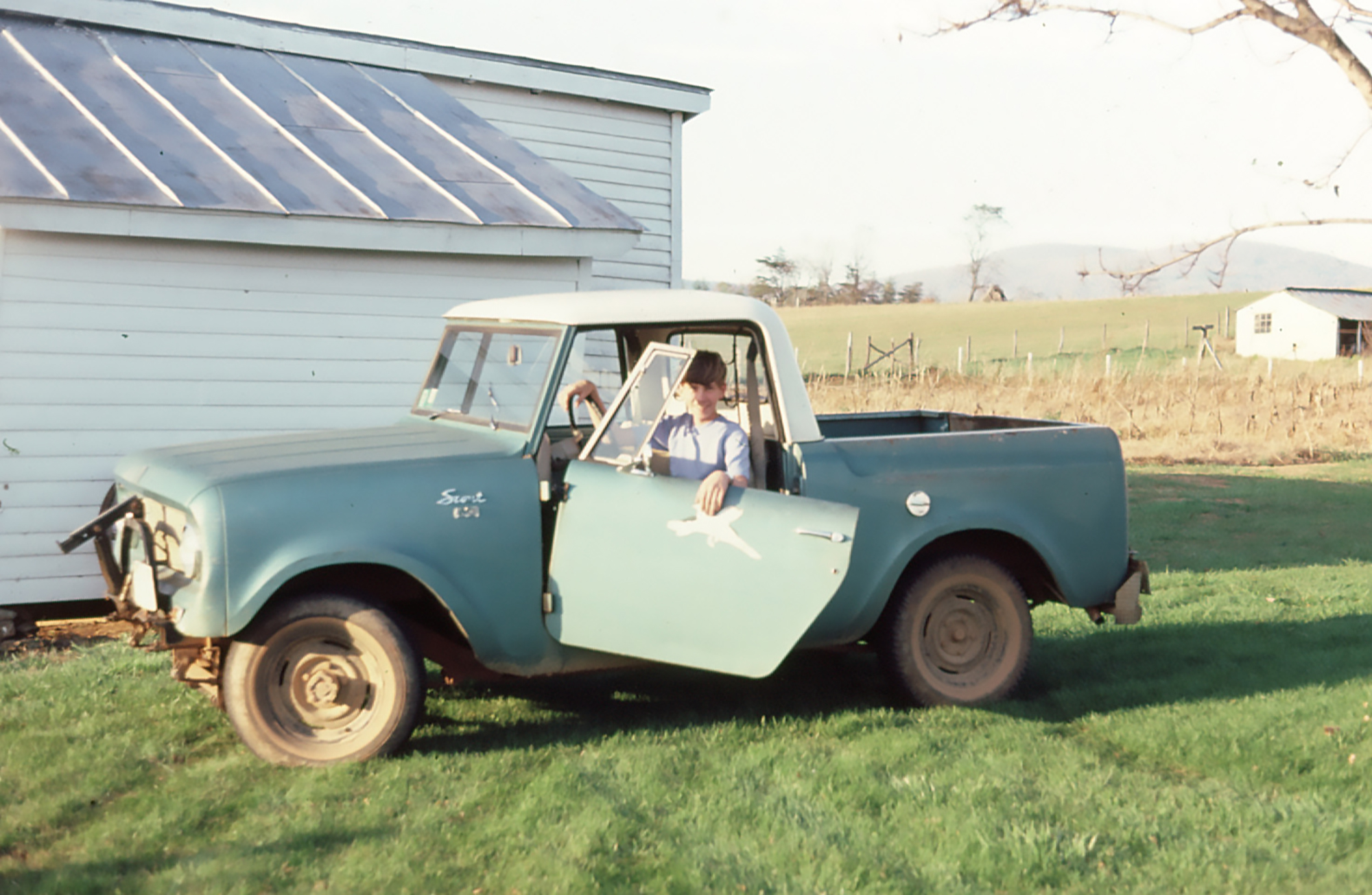
he year was 1979 and Chris Lindner was looking for his first car. Nothing in particular, but he was hoping for a truck. He was a junior in high school, and his family was living in an old farmhouse on 160 acres outside Charlottesville, Virginia. Up the dirt road lived a farmer with a little green truck Chris would occasionally see putting along past the house.
“It was just a cute truck,” says Chris. “But I never thought to myself, ‘I’d like to have that someday.’” At that point, Chris didn’t realize it was a Scout 800™ or really even know what a Scout® truck was.
The farmer himself was a character. Chris remembers being told he couldn’t read or write—and that he remained thoroughly unconvinced of the moon landing. “Just a Hollywood stunt,” he’d always say. When the farmer passed away, Chris started wondering what might happen to the old truck.
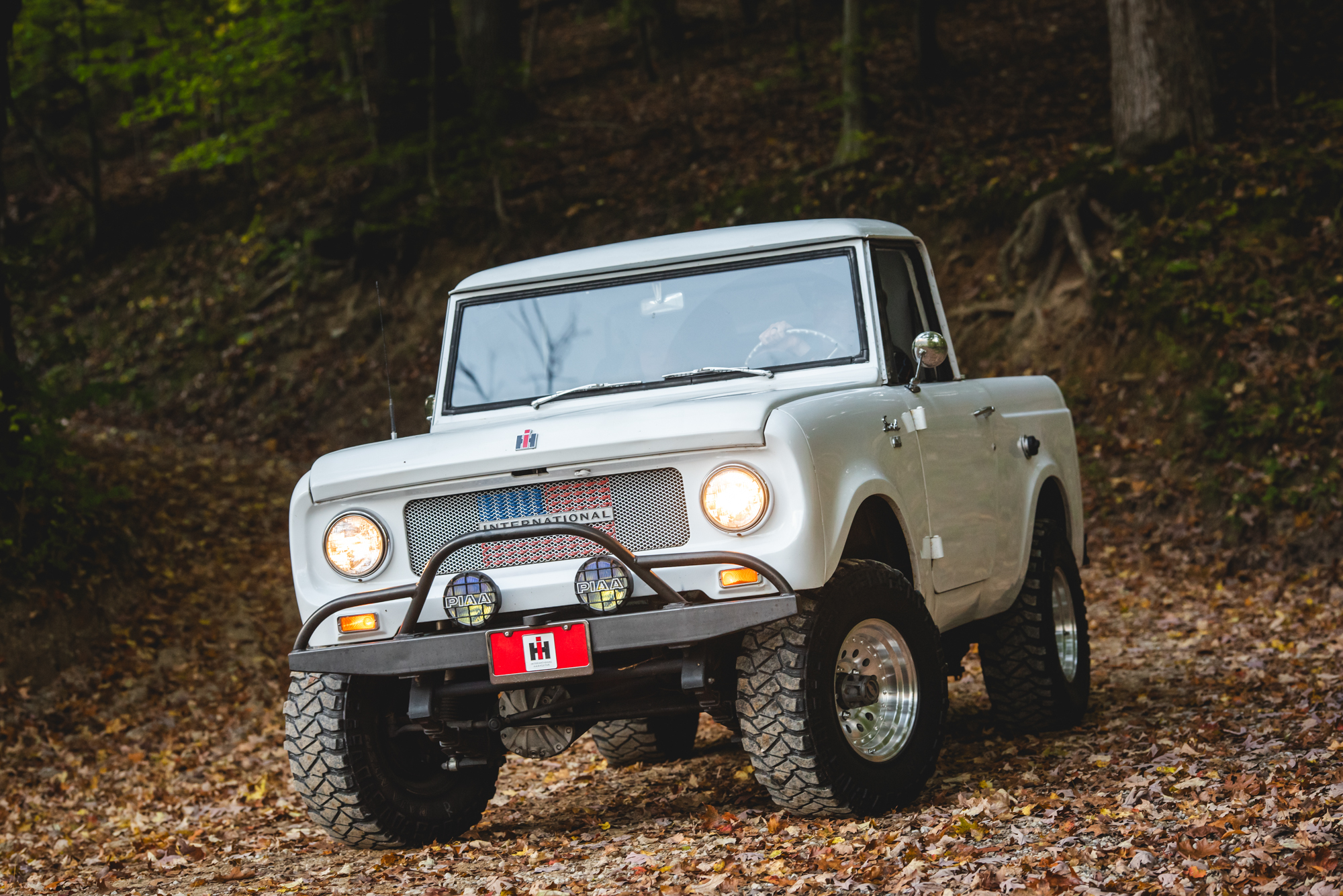
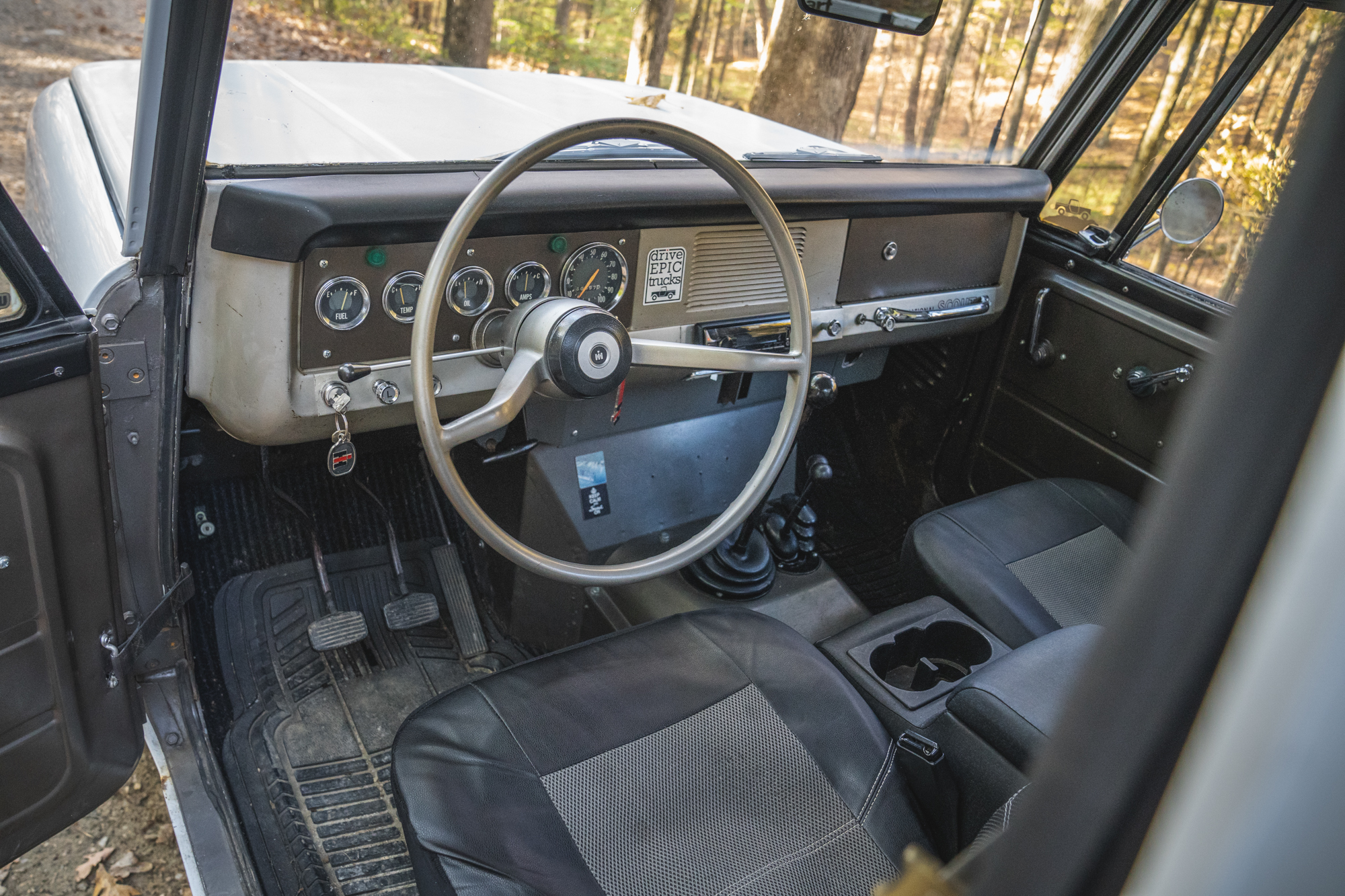
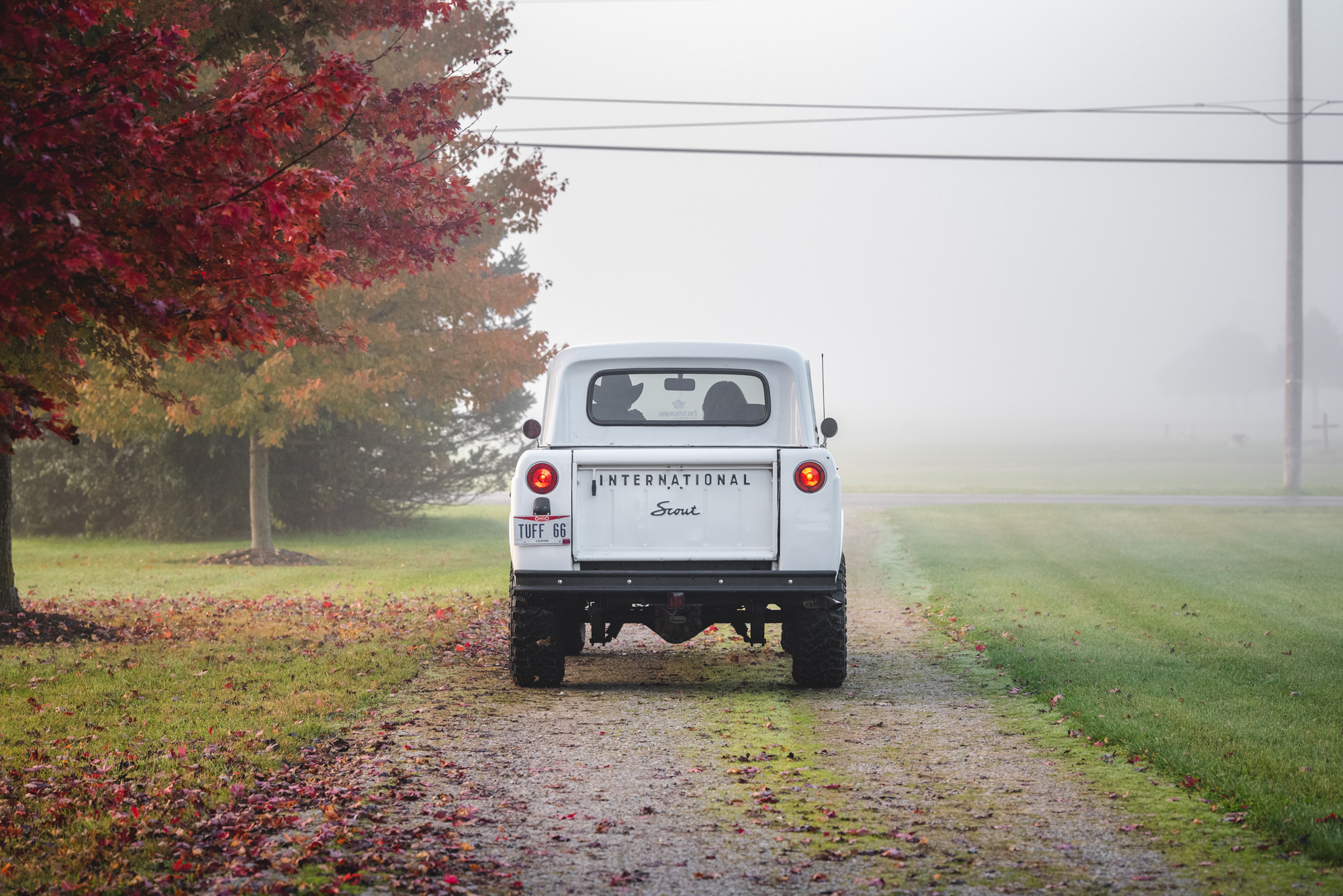
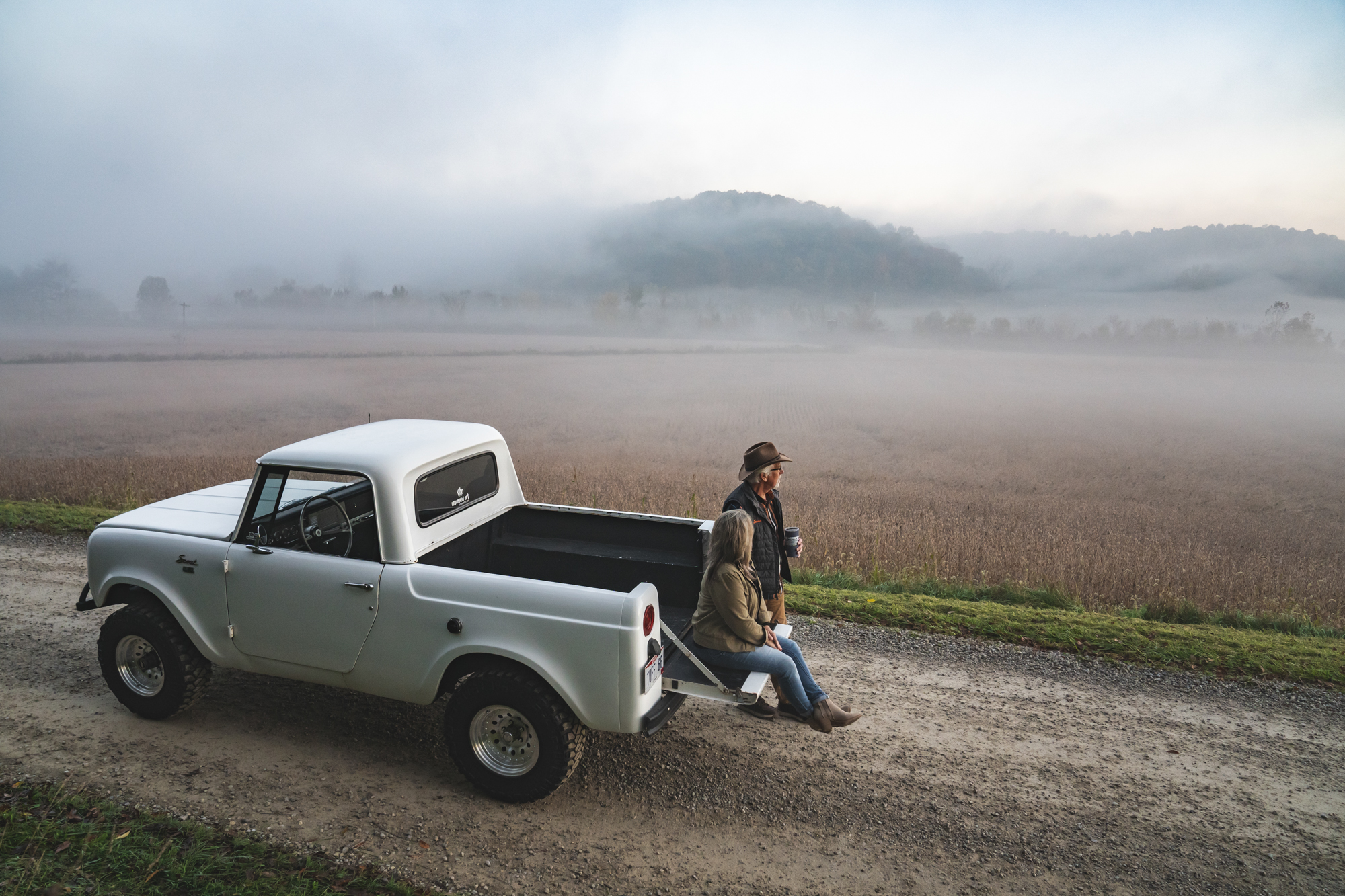
Before long, that little green 1966 Scout 800 became his for $800, Meyers snowplow included. And at 16 years old, Chris had his first car.
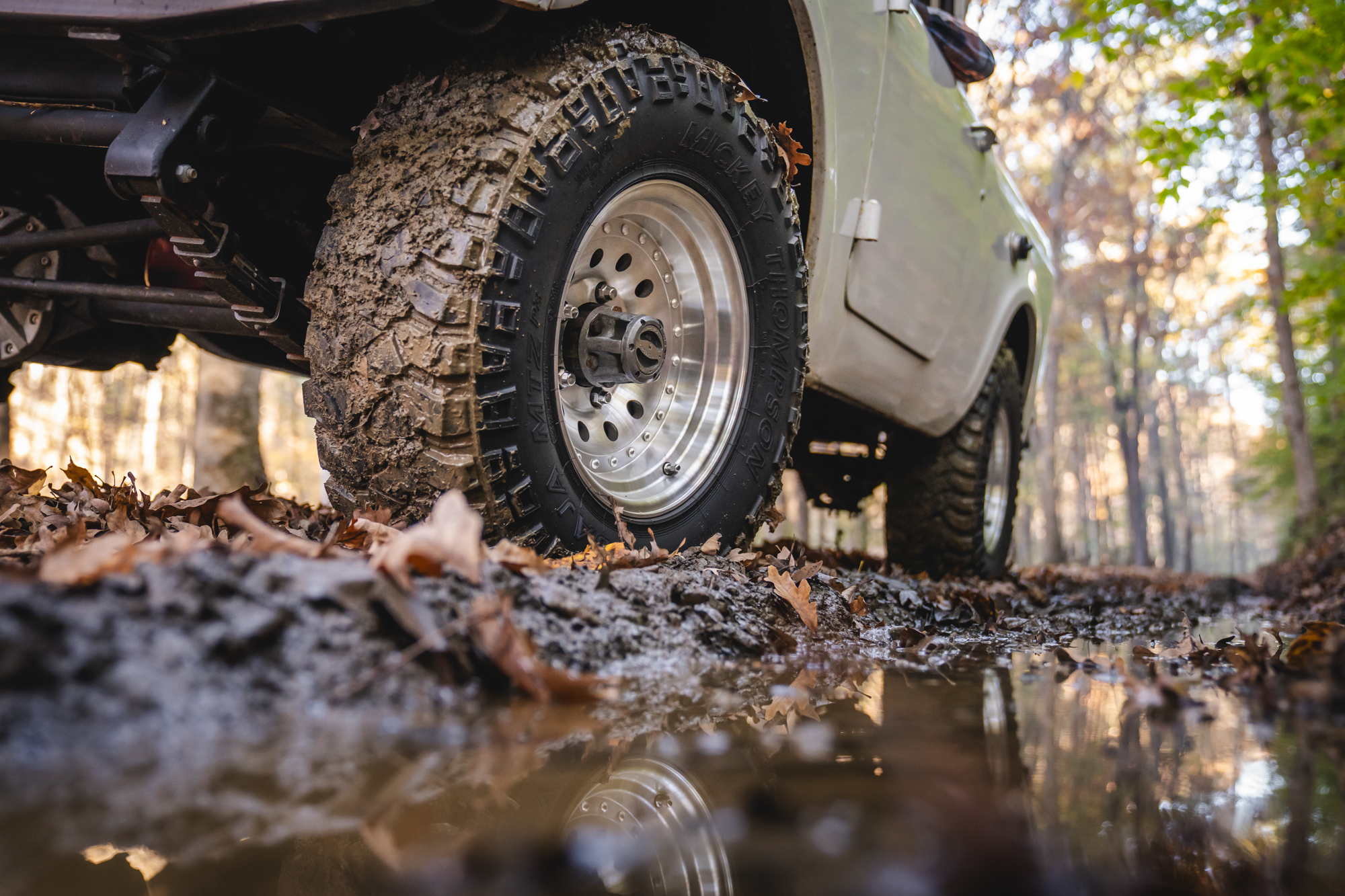
And Chris did as most teenagers would. “The first thing I did was put bigger tires on it.” That decision introduced him to speed wobbles, tire balancing, and the realization that his newly “improved” truck wasn’t interested in traveling much faster than 35 mph.
A suspension lift followed, along with the sort of mudding and four-wheeling expected of a teenager living in rural Virginia. It was being used exactly as intended.
“The first thing I did was put bigger tires on it.”
After high school, Chris and his family moved north to Maryland. Chris plowed snow during winter to help pay for gas, upgrades, and repairs. He eventually bought another Scout truck for parts, because a lesson we all learn from vintage vehicle ownership is that it takes more than one to build a good one!
Then came college. Chris enrolled at Oklahoma State Tech in Okmulgee to study drafting technology. So he packed his bags, loaded the Scout 800, and drove it over 1,000 miles from Fork, Maryland to Okmulgee, Oklahoma.
Still “just a truck”, it earned its keep doing truck stuff. After college, with the changing of the seasons, came a change in Chris’s needs, something a little more reliable. Chris bought another vehicle and sent the Scout rig back east to stay with his parents.
Selling it was never part of the question; it was happy to sit and be driven occasionally.
Fast forward to 1990. Chris, his wife, and their kids were living in Ohio, and the Scout 800 had finally made its way back to him and his family. But it was still “just a truck” to them.
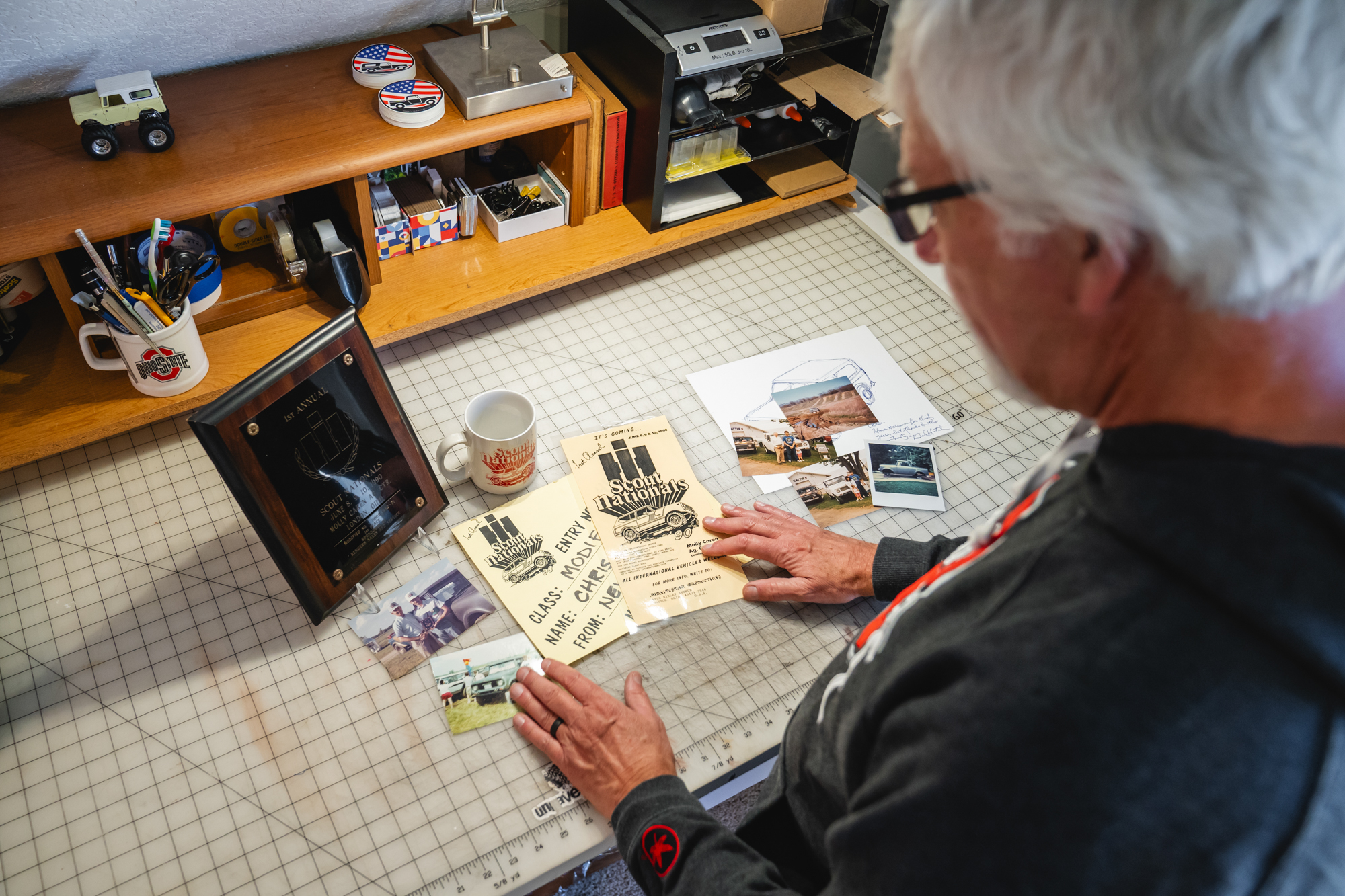
One day his dad handed him a flyer advertising the first IH Scout Nationals in Springfield, Ohio.
“I still have that flyer,” Chris said.
For more than a decade, Chris had owned a Scout rig without really thinking of it as anything more than just a truck. “That kind of sparked, ‘Wait a minute, there’s other people that have these?’”
Chris and his dad got busy preparing the primered truck and drove to Springfield. Chris won first place in his category that year, despite it being more of a runner than a show-er. He was proud of the plaque but, after winning a few, he began realizing the shows weren’t about awards. They became about the people — the community behind the trucks.
And this is when Chris began to grow a deeper appreciation for his Scout vehicle and the community of other Scout truck owners. Those relationships grew slowly, as Chris juggled the demands of career and a young family, attending shows when possible.
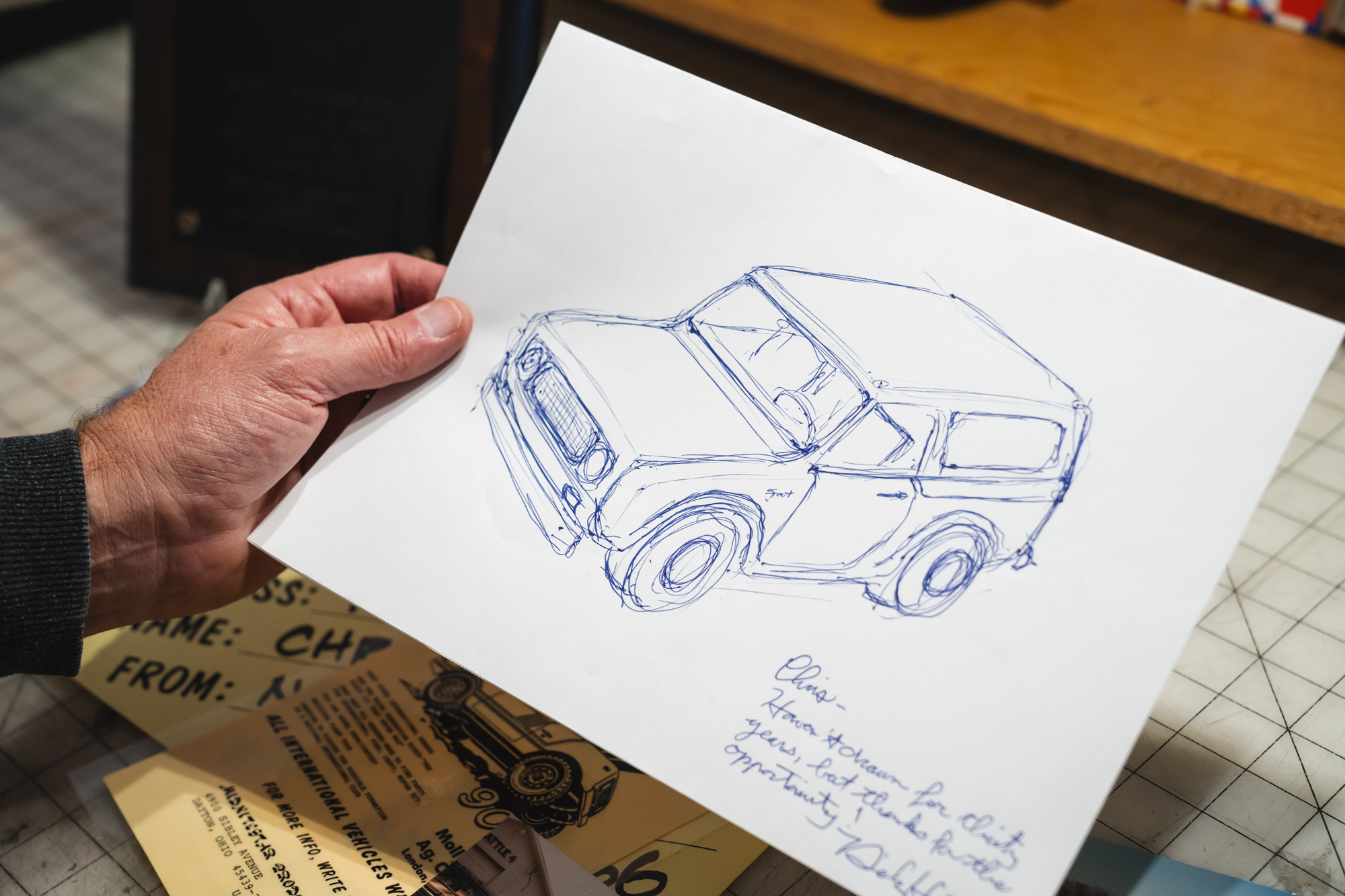
At one Scout Nationals, he had the privilege to meet the chief IH Scout designer Ted Ornas and was able to get a cherished photo with him in front of Chris’s own Scout800. “I regret to this day not giving him a piece of paper and saying, ‘Just draw me a Scout.’” Years later, when Chris met former International Harvester™ designer Dick Hatch, he didn’t make the same mistake.
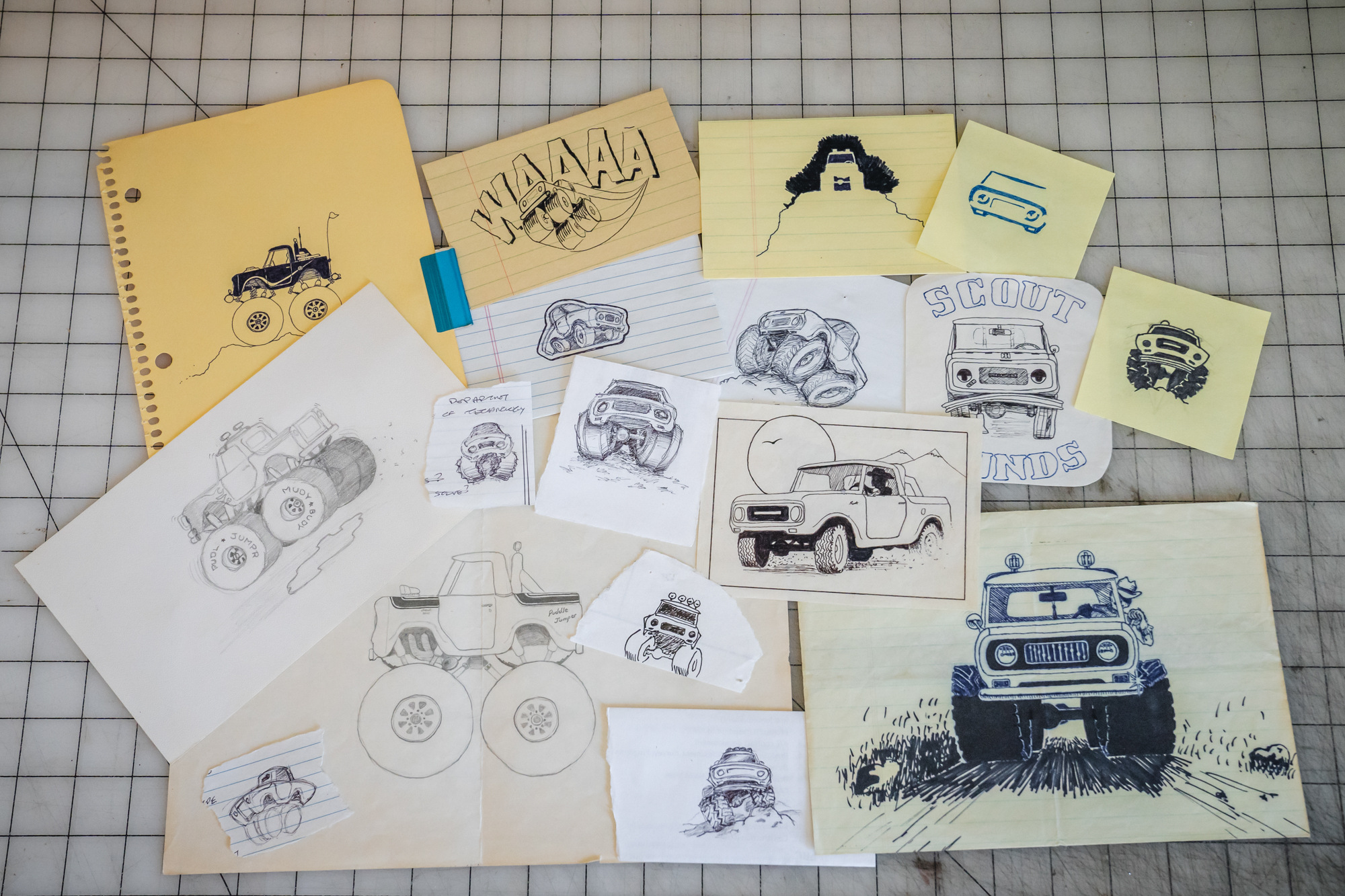
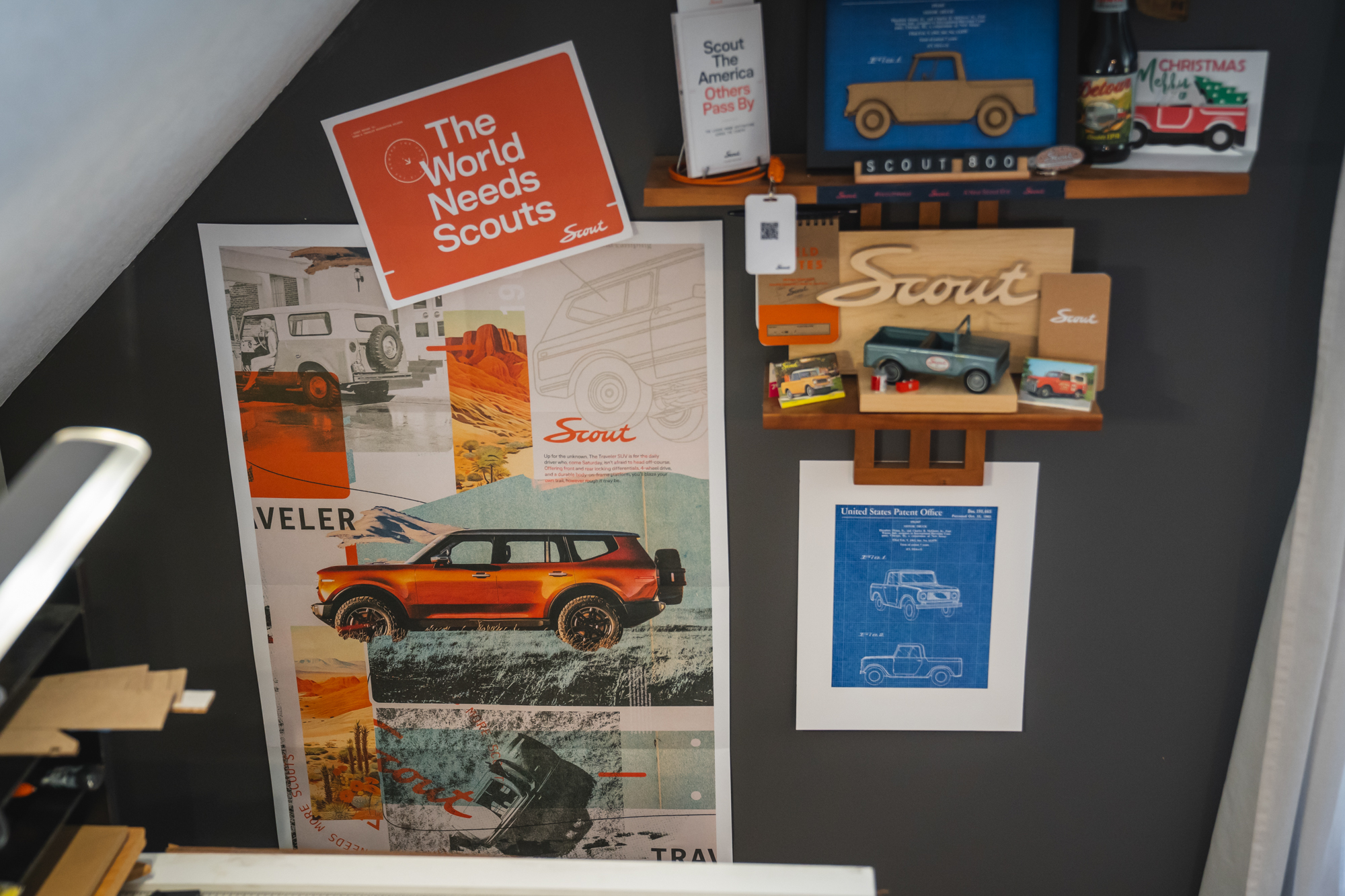
Dick Hatch’s sketch is one of Chris’s prized possessions. Meeting the designers also opened the door to new stories and interests in the Scout community.
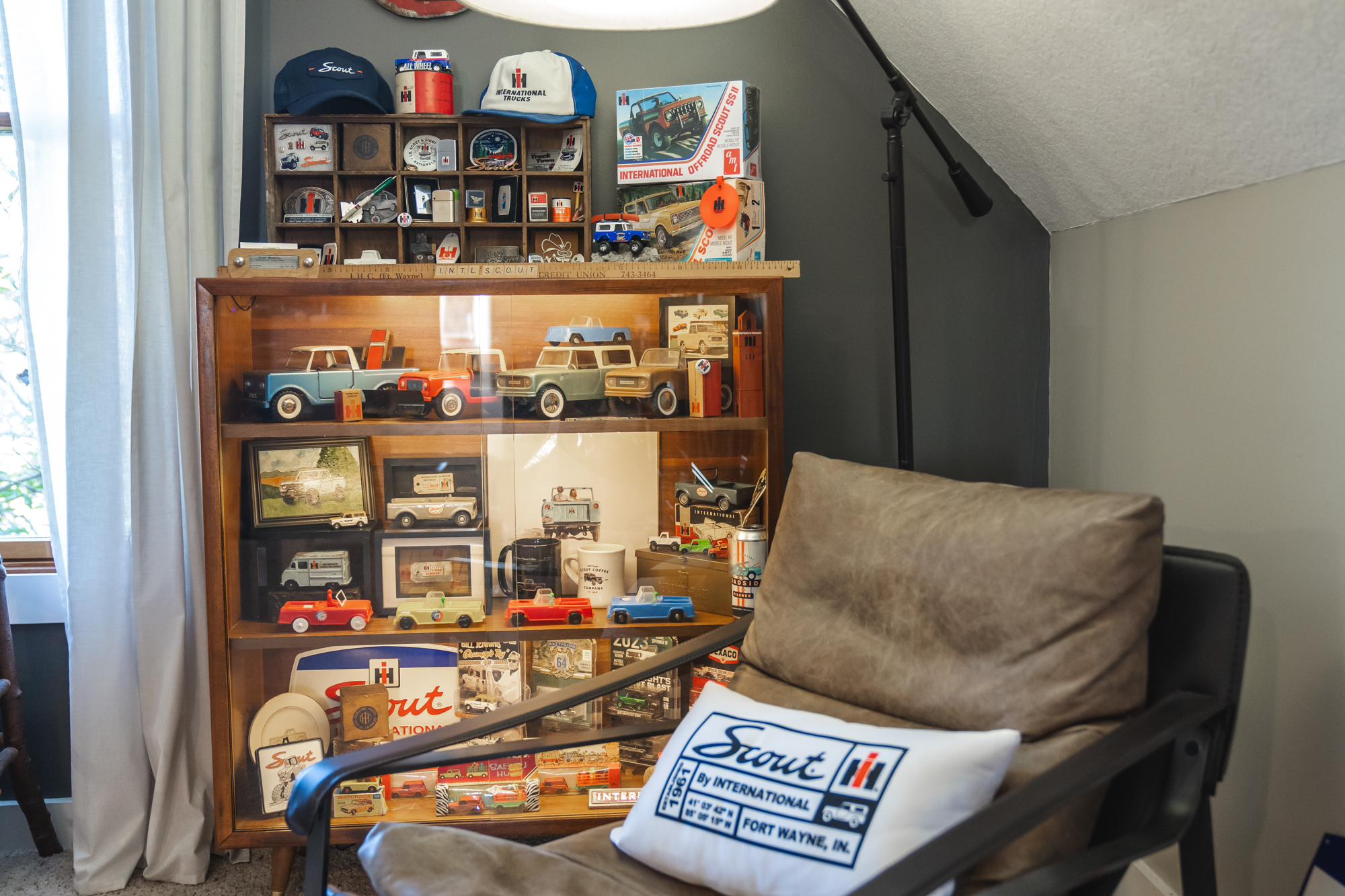
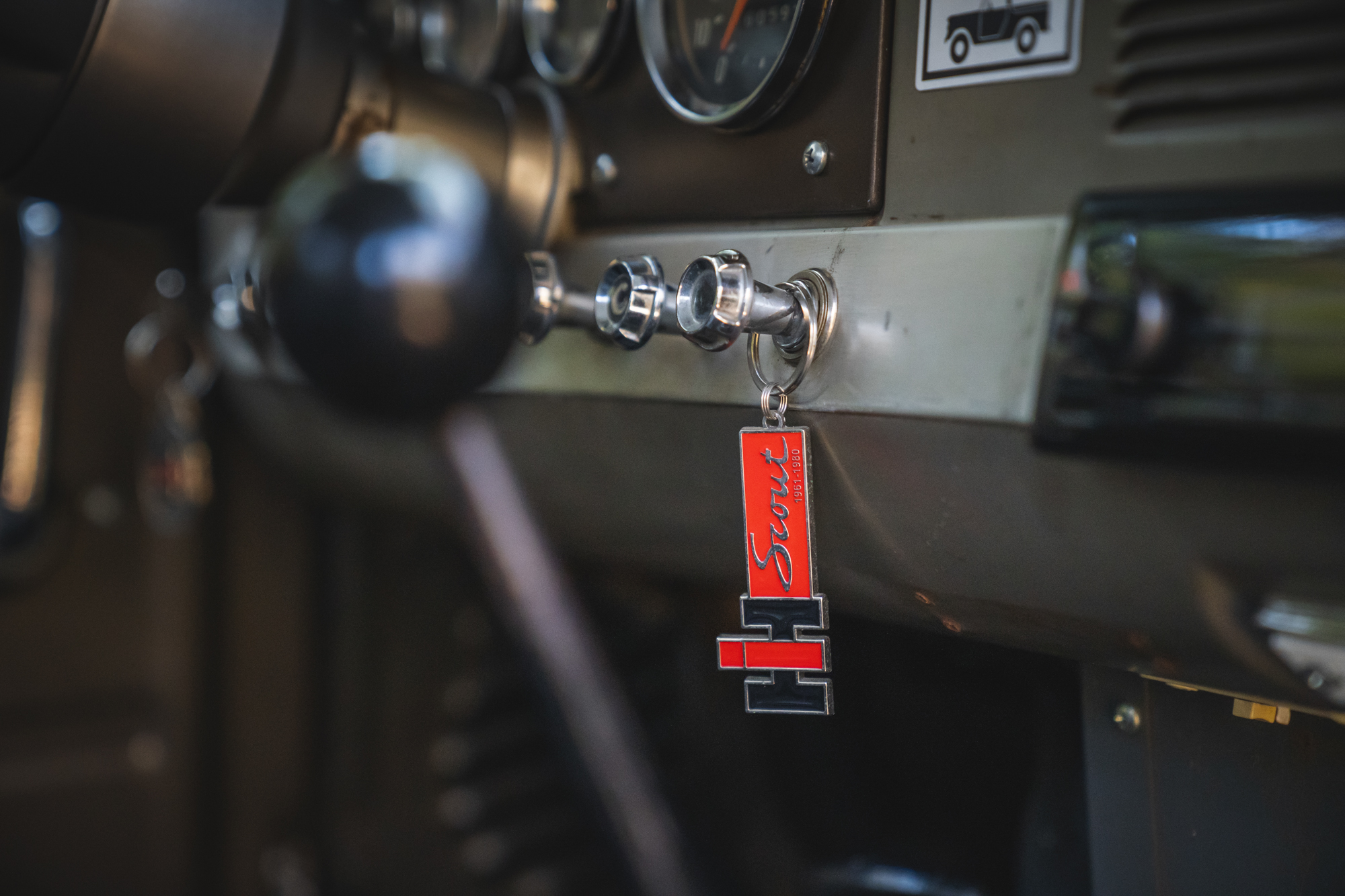
The truck gradually turned him into a collector of all things related to the Scout brand.
Old advertisements. Toys. Magazine pages. Photographs. Odd pieces of Scout truck ephemera. Chris became fascinated not only by his own Scout rig’s history, but by everyone else’s.
He has chased references to Scout trucks used by police departments, pizza shops, and in President Nixon’s inaugural parade. Scout rigs used in Valley Forge Military Academy’s parade formations, trucks used during NASA launches, and he even acquired a massive old J.Crew store banner featuring a vintage Scout truck. “It’s so big, I have no way to display it,” Chris said.
When he spots a vague historical reference to a Scout truck somewhere, Chris has been known to start making phone calls. “There’s amazing pictures and stories out there,” he said, “if you’re willing to do some digging.”
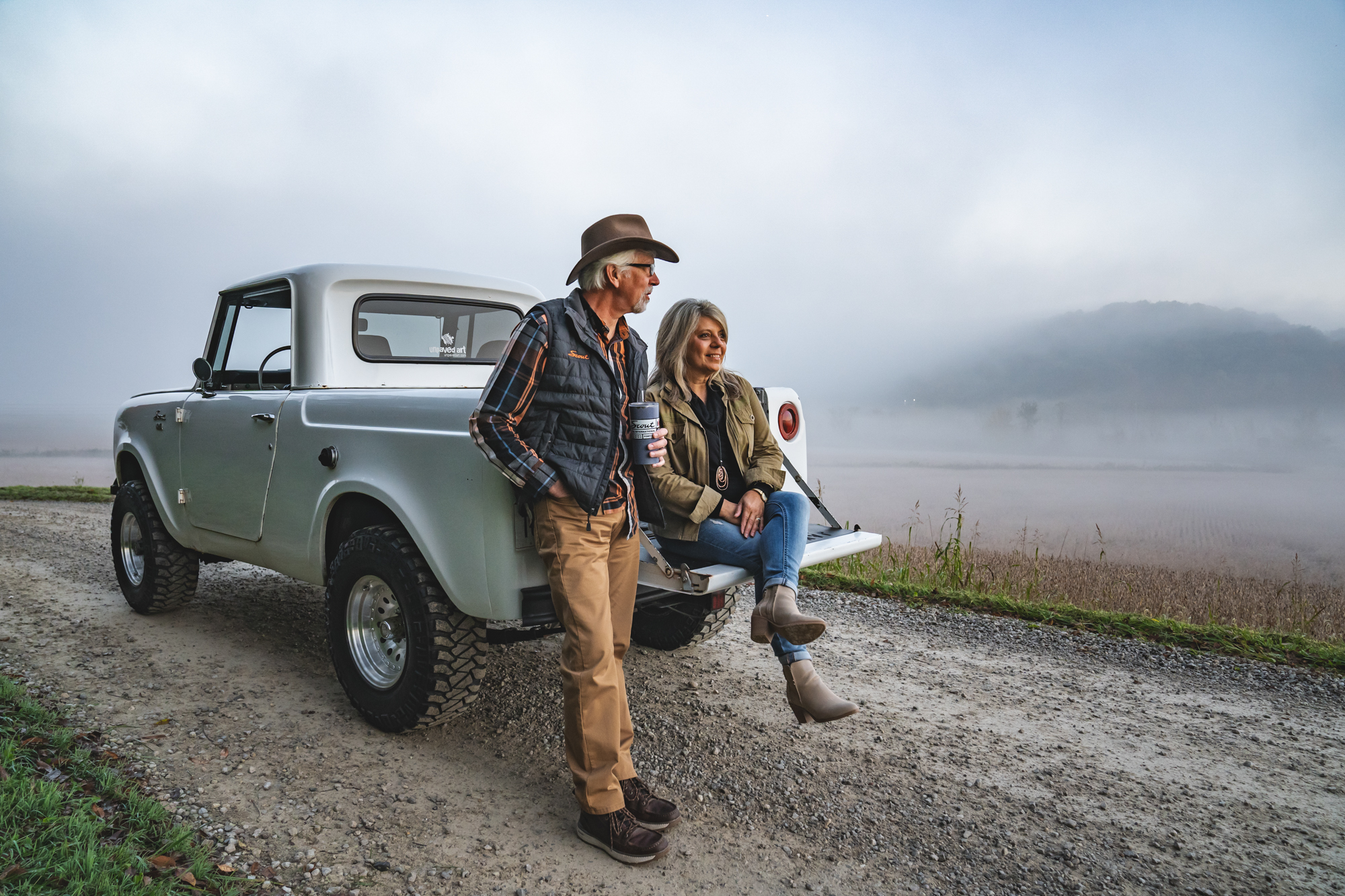
Somewhere along the way, Chris’s truck had stopped being just a truck. It was a heritage Scout truck after all. And the Scout community grew around it. “We would go to the show about the trucks,” Chris said. “And now we go to the show about the people.”
That says it all.
The Scout 800 was there for family milestones, too. Chris’s kids grew up riding in it. It was in his son’s wedding. His daughter took it to homecoming. Around home in central Ohio, it gets called upon for the occasional Fourth of July parade, carrying a local politician through town.
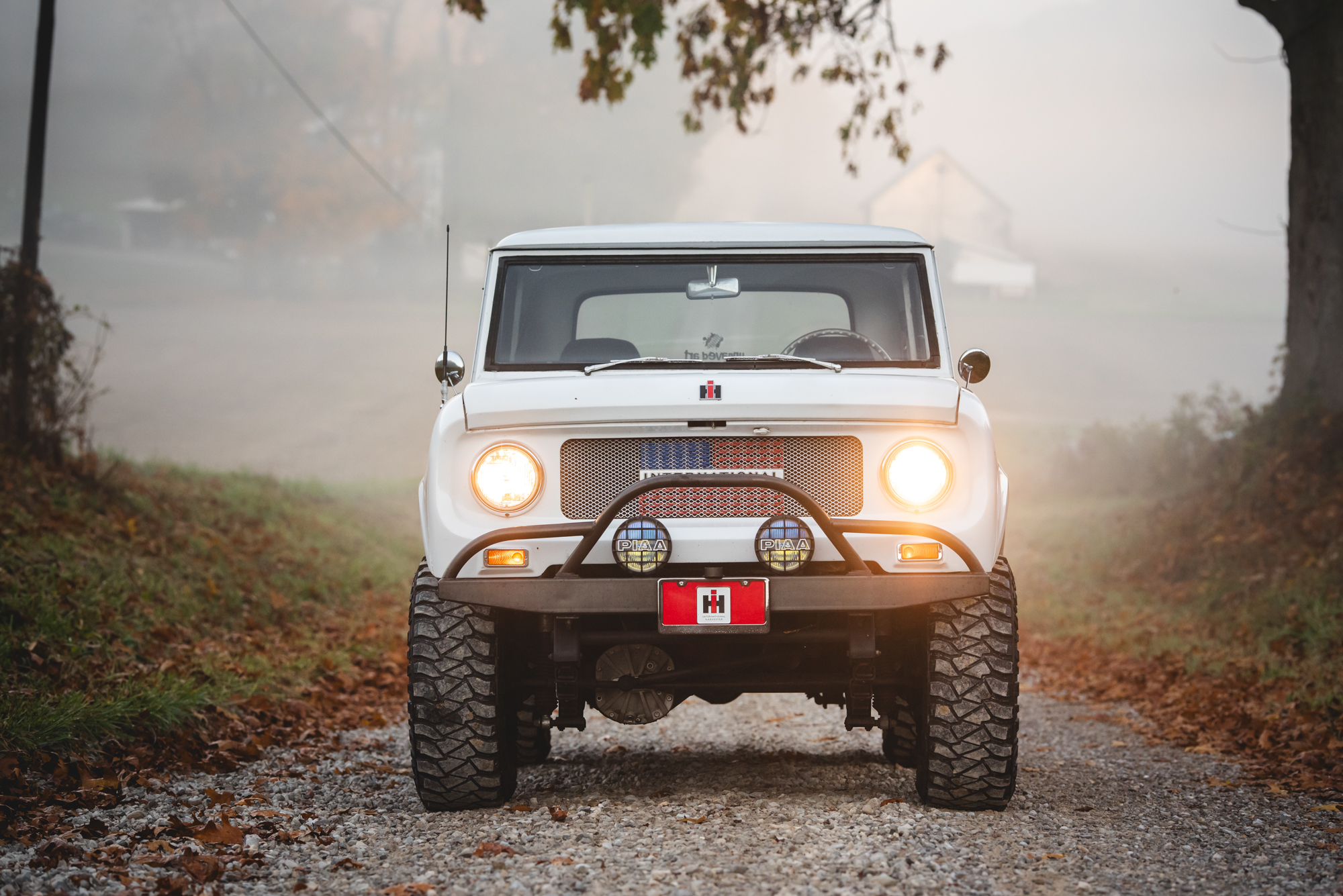
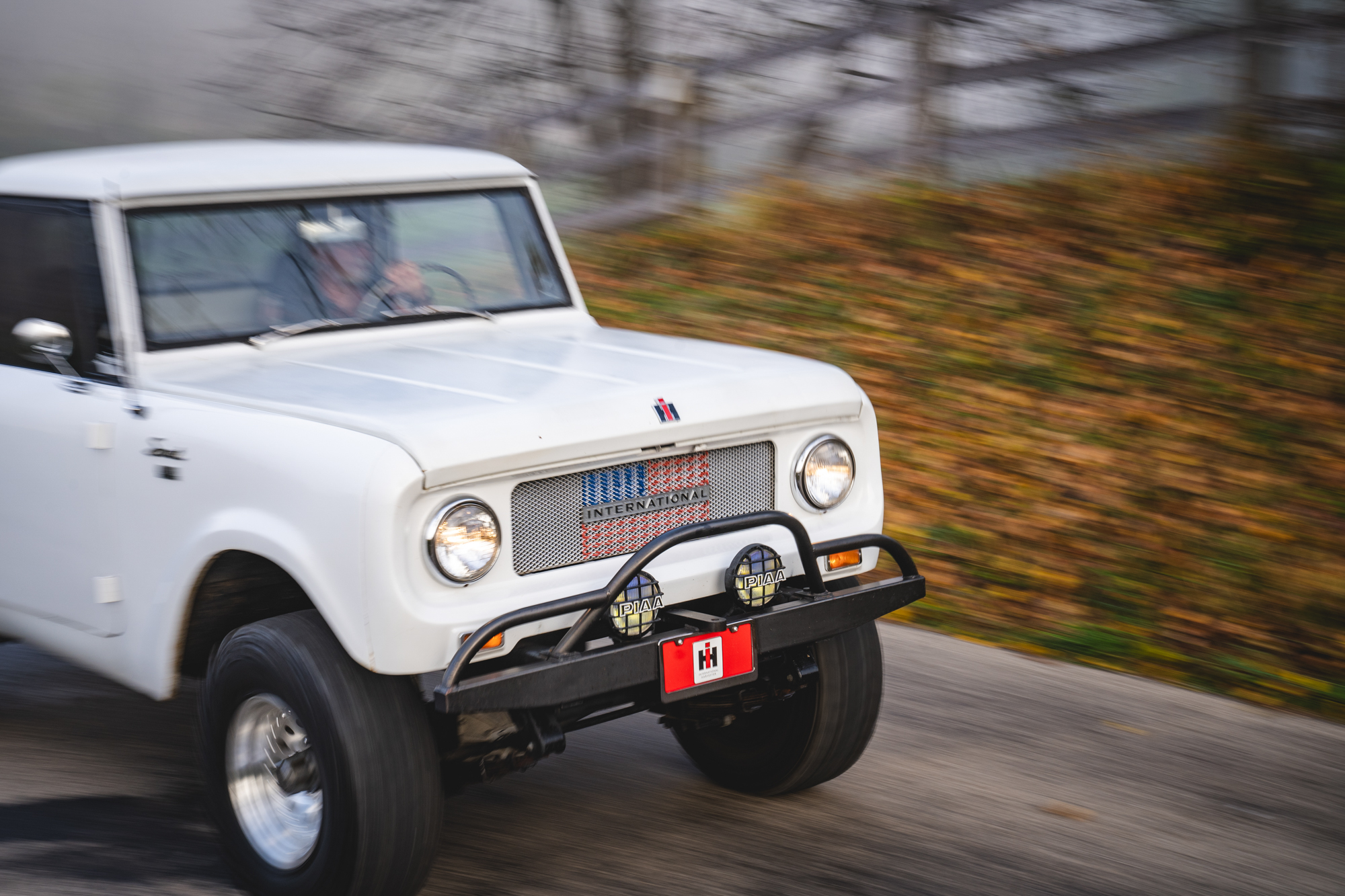
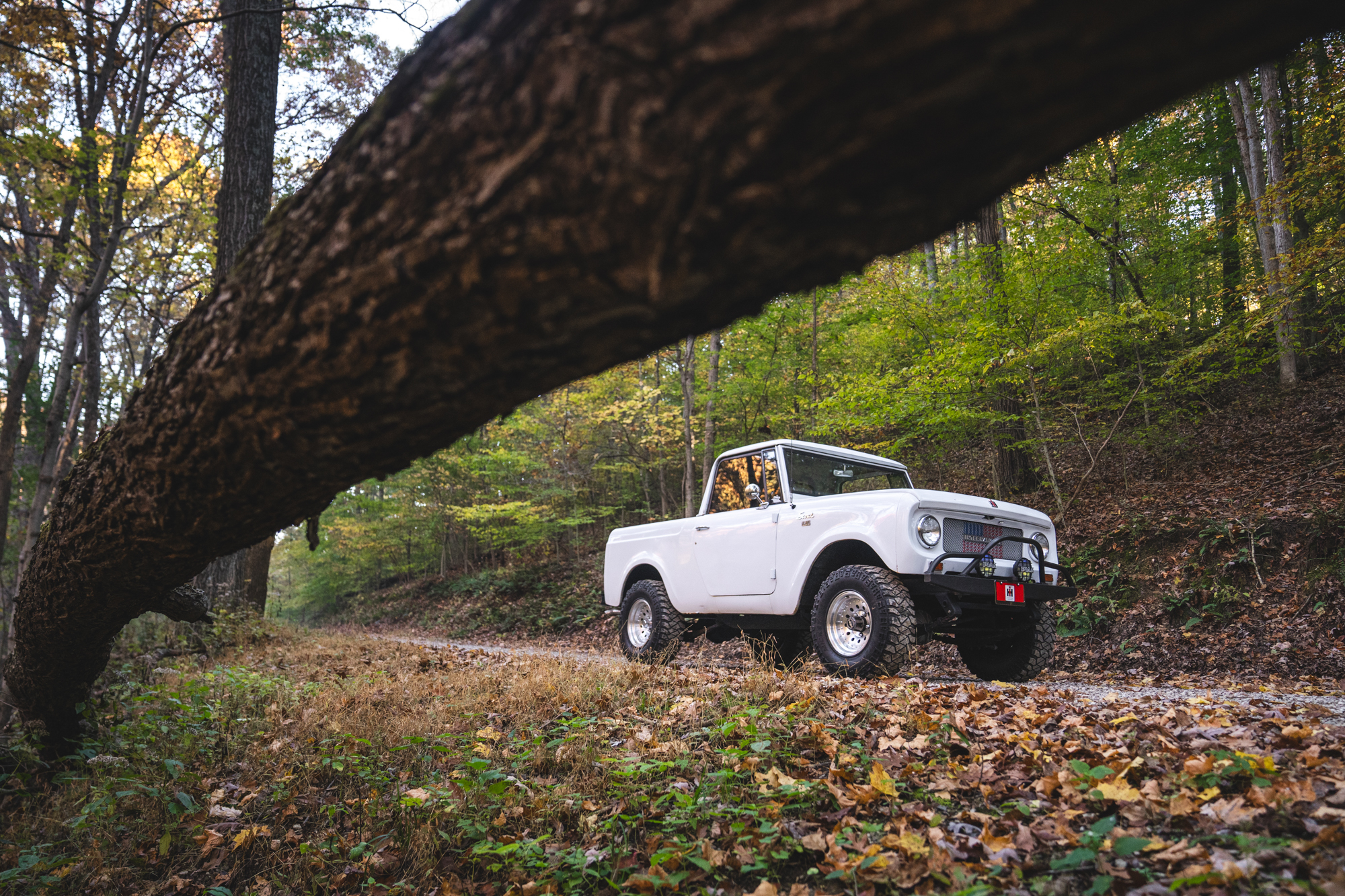
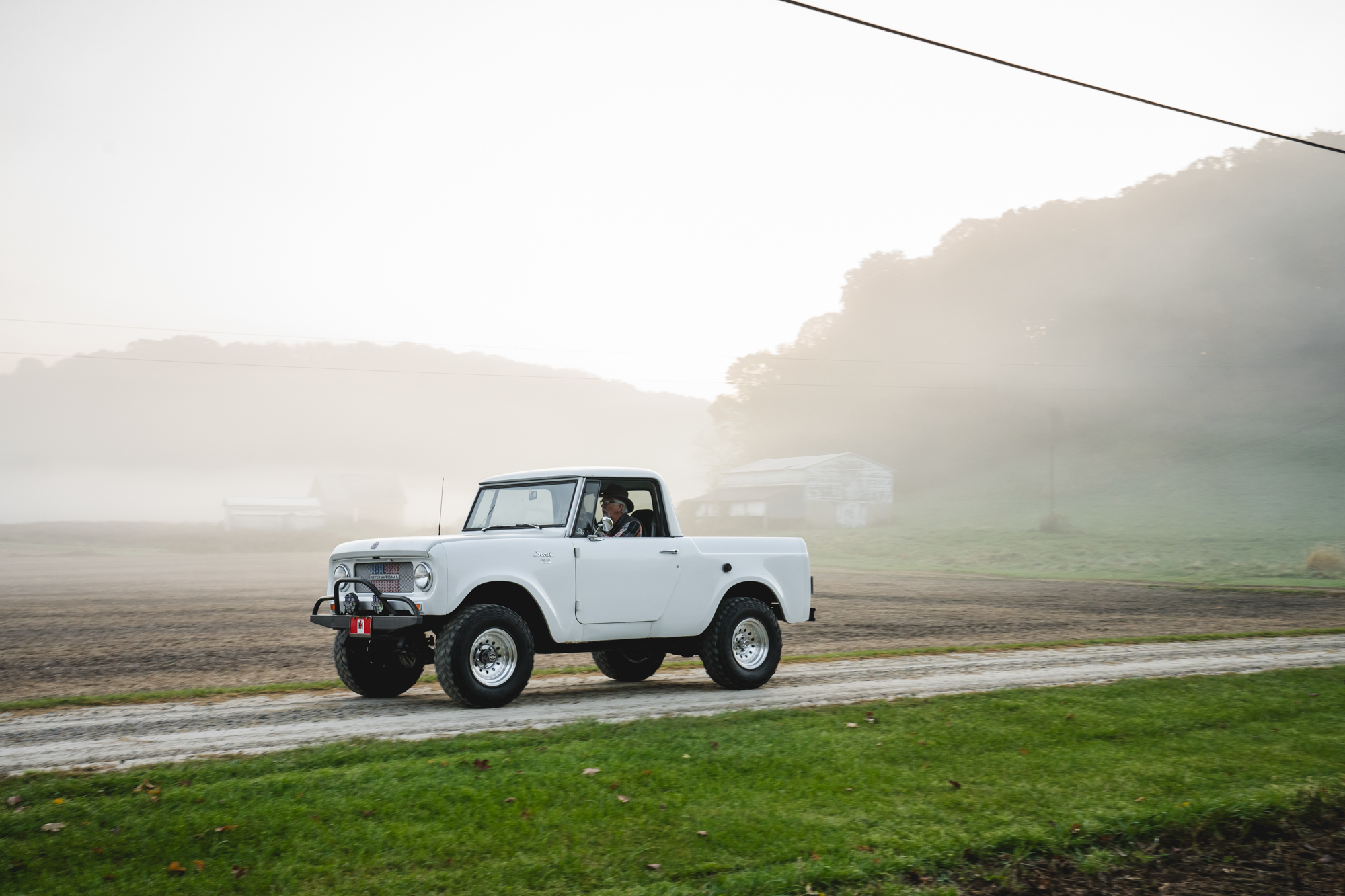
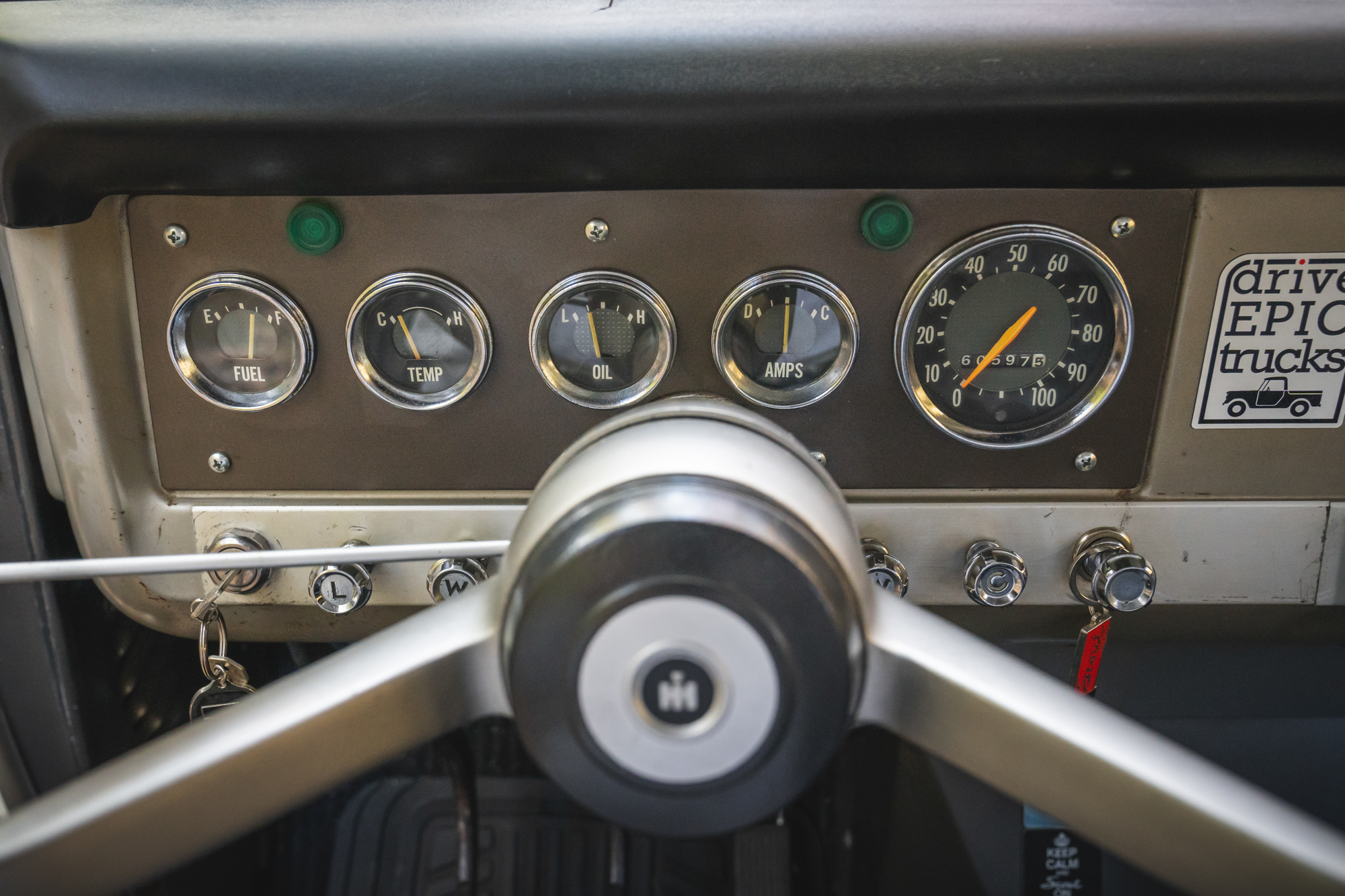
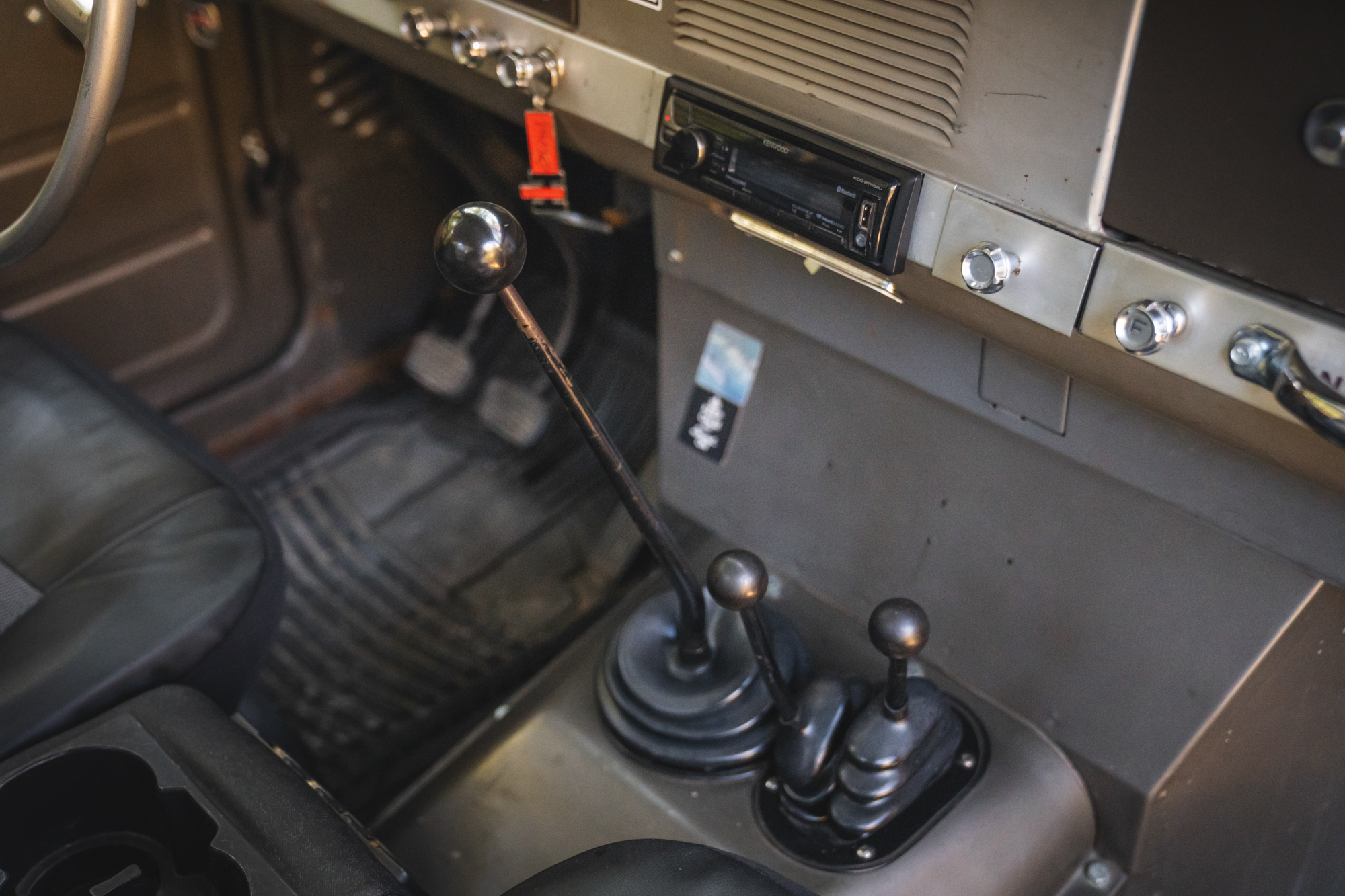
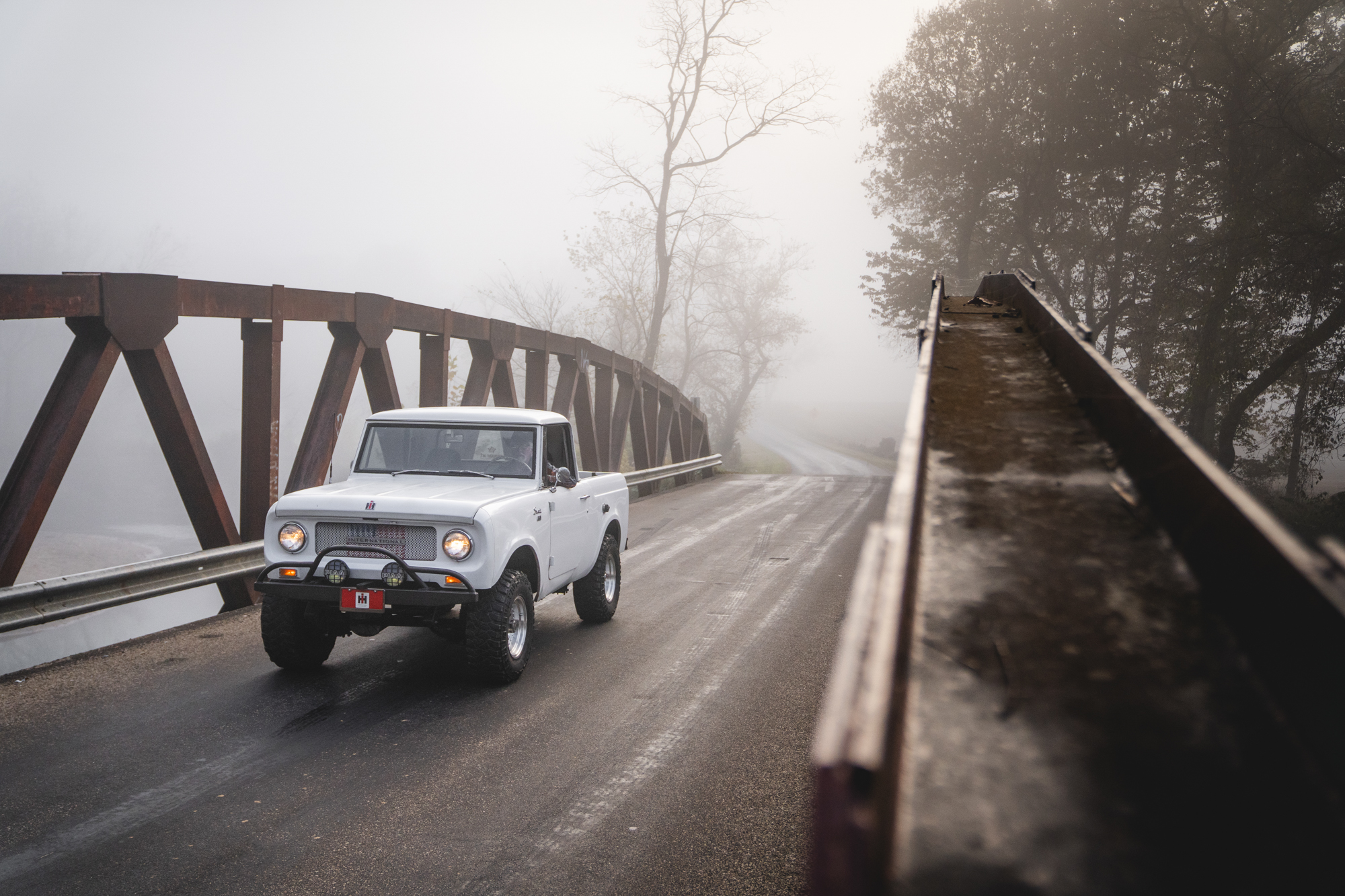
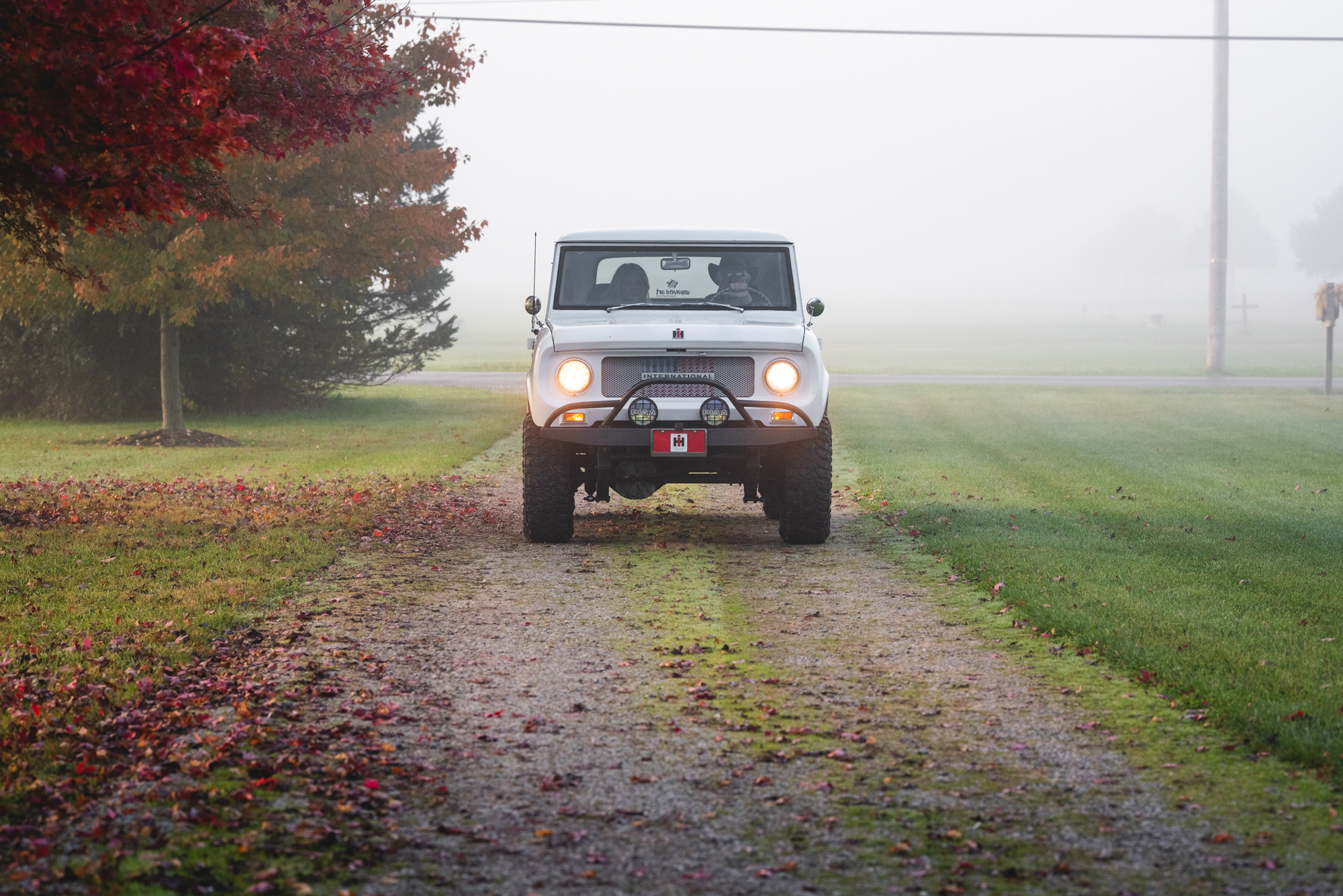
Despite a few paint jobs, a pair of engine rebuilds, and the normal maintenance demanded by six decades of existence, much of the Scout 800 remains the same truck Chris bought as a teenager. His first car. “Just a truck.” All of its sheet metal is original except for the hood and one fender. And he still drives it, when the weather is nice.
Chris’s relationship with the Scout brand continued to be fortuitous. In the early days of Scout Motors and the modern revival of the Scout brand, Chris met members of the team at a Scout Nationals event in Springfield. Conversations continued online. He became part of an early enthusiast group surrounding the revived brand.
And with that came an invitation to the 2024 Scout Motors reveal. Chris said yes immediately. Better yet, his 1966 Scout 800 was invited, too. Scout Motors trailered the truck to Tennessee, placing Chris’s first car among the heritage trucks assembled to welcome the next generation of Scout vehicles into the world.
The same truck he bought from a farmer down a dirt road in rural Virginia for $800 was now helping usher in the return of the Scout truck. Chris stood there and watched pieces of his own Scout brand history become part of that larger story.
He bought it because he was 16 and wanted a truck. He drove it to college, plowed snow with it, modified it, broke things, fixed things, raised a family around it, took it to shows, made lifelong friends because of it, and eventually watched it welcome Scout Motors back.
Not bad for a truck he wasn’t even looking for.
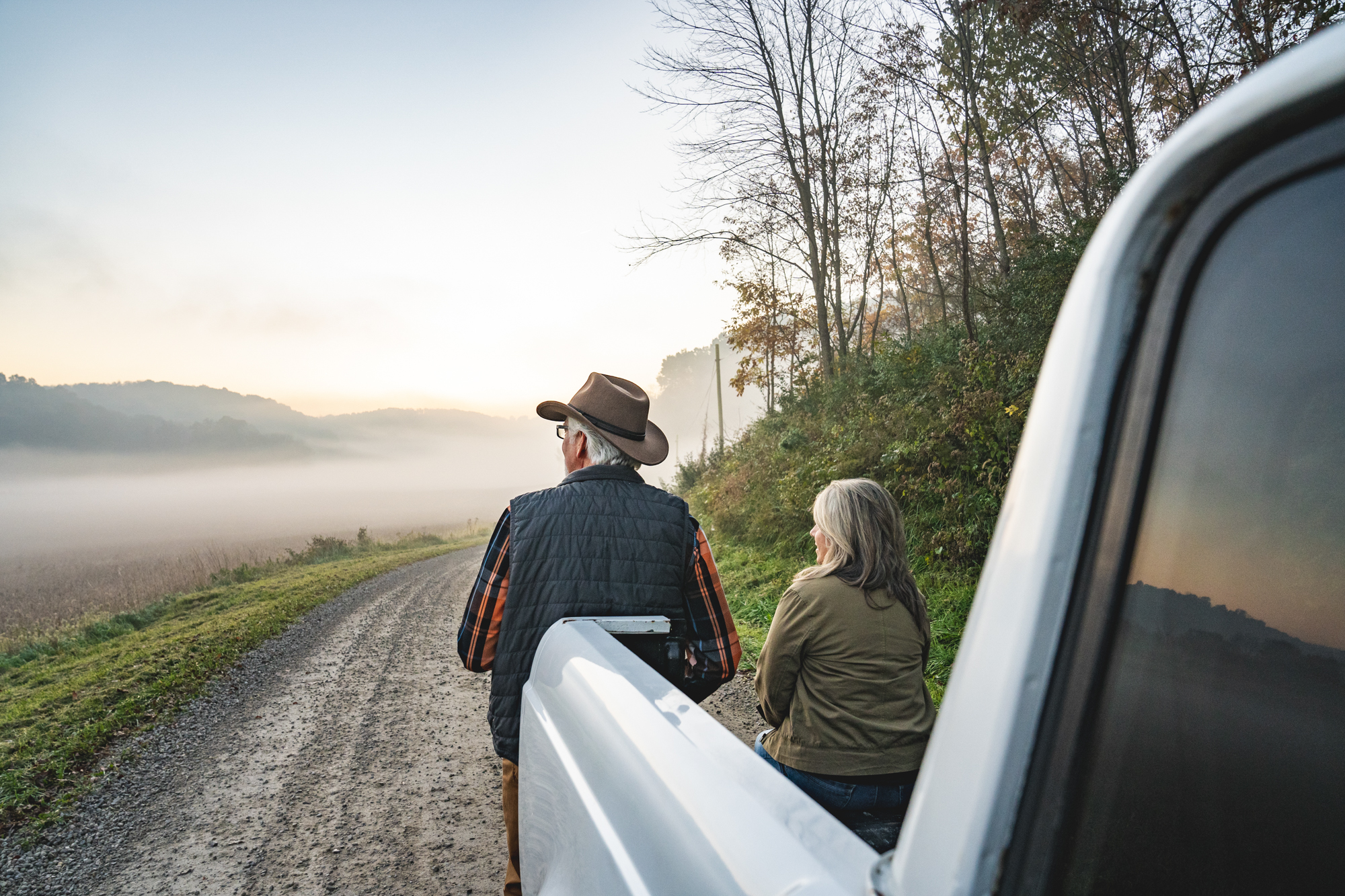
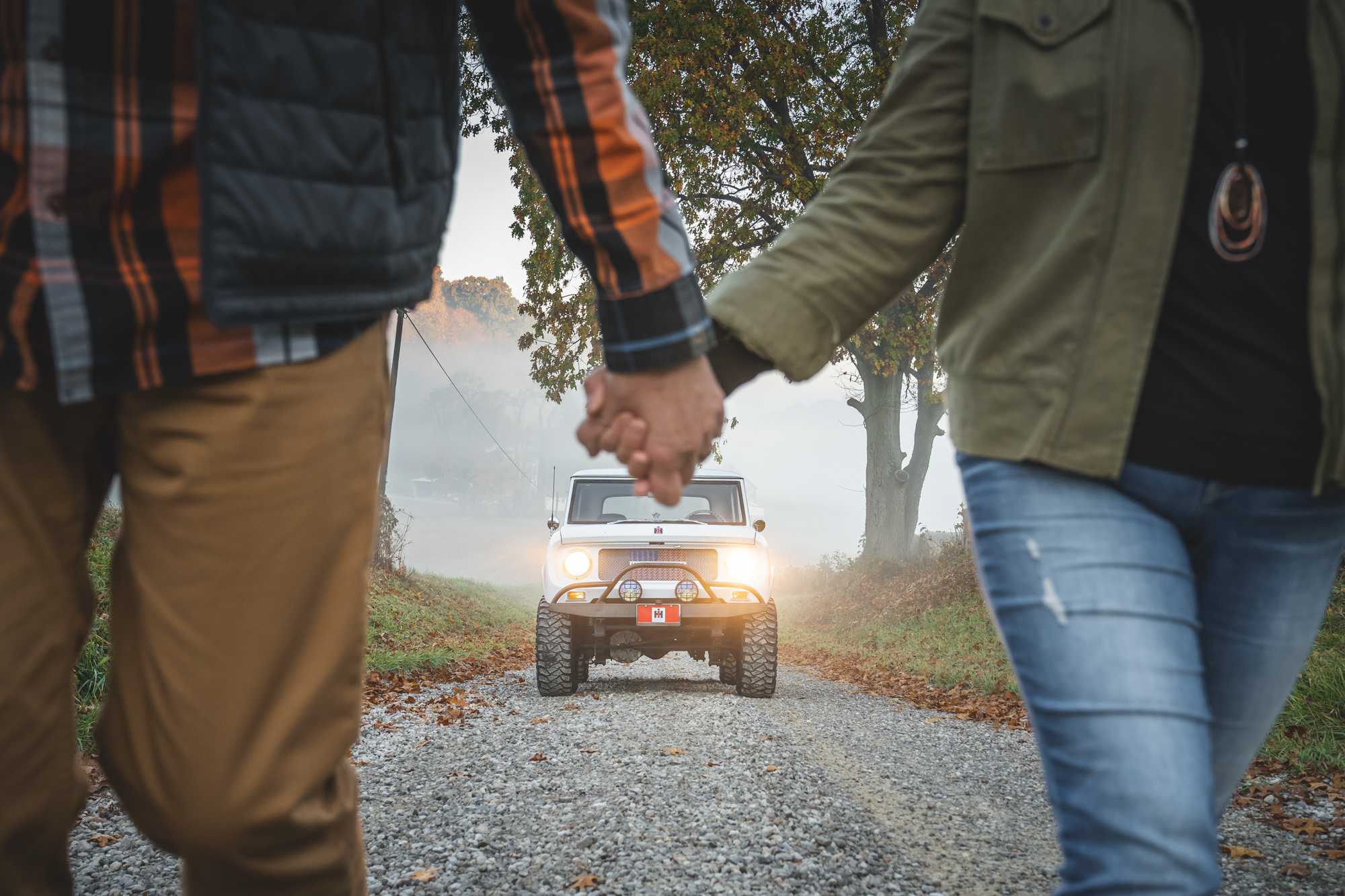
And if that weren’t enough—Chris’s wife came up with the next big adventure: when Chris turns 66, the two should take his ’66 Scout 800 and drive Route 66. Because, why not? Their rig is currently receiving a few upgrades in preparation.
In 1979, it was Chris Lindner’s first car. Nearly five decades later, it still is. Only now it’s a lot more than “just a truck.”
Disclaimer: Scout Motors celebrates the legacy of Scout vehicles and the passionate community that keeps them alive. However, Scout Motors does not sell, restore, or provide parts or services for vintage Scout vehicles. Any modifications or restorations featured are the work of individual owners or third-party specialists.